Advanced IVF, IUI & ICSI treatments with highest success rates — compassionate care for every step of your fertility journey.
State-of-the-art IVF lab, experienced embryologists and personalised protocols for the best possible outcomes.
Comprehensive care across pregnancy, fertility and advanced gynaecology — delivered with privacy, safety and compassion.
15+ years of expertise, advanced labs and personalised treatment plans.
Advanced facial & body cosmetic procedures by expert surgeons — natural results, minimal downtime, maximum confidence.
Board-certified surgeons delivering natural, beautiful results with the latest techniques.
Expert reconstructive & plastic surgery for hand, birth deformities, cancer reconstruction and trauma — restoring form and function with precision.
Advanced body contouring, breast surgeries & intimate procedures by expert surgeons — natural results, renewed confidence.
Advanced laser skin treatments, intimate wellness procedures & expert hair restoration — all under one roof.
State-of-the-art laser tech & hair restoration by certified specialists.
Comprehensive fertility, hormonal & genetic diagnostics for females and males — accurate, fast and confidential.
PRP Fertility Treatment uses platelet-rich plasma from the patient’s own blood to support ovarian or endometrial regeneration in selected cases.
At Galwa Care Hospital, Jodhpur, PRP is considered for low ovarian reserve, thin endometrium or repeated IVF failure after specialist evaluation.
It offers regenerative support that may improve tissue readiness and treatment confidence when conventional options need additional assistance.
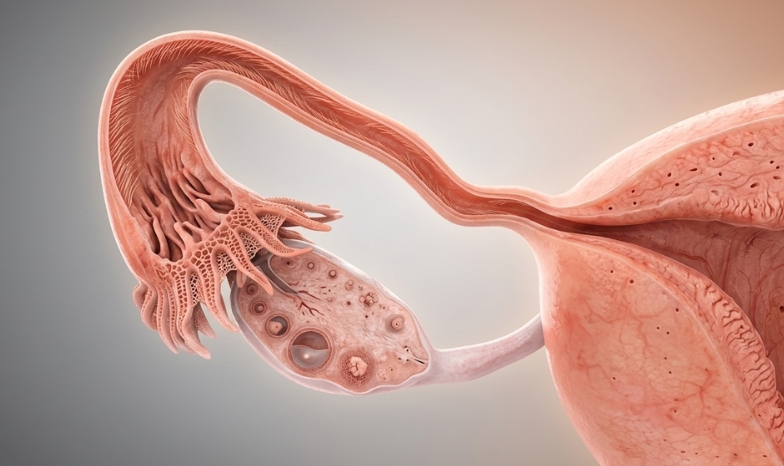
Helps stimulate ovarian tissue and may improve the quality and quantity of eggs available, as well as the ovary’s responsiveness to hormonal stimulation medications.
Enhances uterine lining thickness in women with a persistently thin endometrium, improving receptivity and creating better implantation conditions for an embryo to attach.
Supports better implantation outcomes by improving endometrial receptivity in patients who have experienced multiple unsuccessful IVF cycles without a clear structural explanation.
Growth factors present in PRP may help improve the ovarian microenvironment and support healthier oocyte maturation in women with declining egg quality due to age or condition.
Offers meaningful regenerative support in cases of early ovarian decline where conventional hormonal treatments have provided limited or insufficient benefit to the patient.
A small amount of the patient's own blood is drawn from a peripheral vein in a simple and completely routine blood collection procedure performed at Galwa Care Hospital.
The collected blood is processed in a specialized centrifuge to separate and concentrate the platelet-rich plasma from the other blood components, creating a highly concentrated PRP solution.
The concentrated plasma containing the highest levels of growth factors and bioactive proteins is carefully extracted and prepared for precise administration to the target tissue.
PRP is injected into the ovaries or the uterine cavity under real-time ultrasound guidance to ensure precise and accurate delivery directly to the intended target tissue area.
The patient's response is monitored through follow-up ultrasound scans and hormonal blood evaluations to assess the treatment effect and determine the timing of any subsequent fertility treatment.

PRP may stimulate ovarian tissue and potentially improve the ovary's responsiveness to hormonal stimulation and the quality of eggs produced during a treatment cycle.

Growth factors within PRP help create a healthier ovarian microenvironment that supports better oocyte maturation and developmental potential before retrieval.

Particularly beneficial for women with a persistently thin endometrium, PRP can improve uterine lining thickness and create a more receptive environment for embryo implantation.

A healthier and thicker endometrium enhanced by PRP significantly improves the chances of successful embryo attachment and ongoing pregnancy after transfer.

Improves uterine receptivity and may meaningfully enhance outcomes in patients who have experienced multiple failed IVF cycles without a clear anatomical explanation.

Uses the patient's own blood and growth factors, eliminating the risk of allergic reaction or rejection and making it one of the safest adjunct fertility treatments available.

Performed without major surgery or hospitalization as a straightforward outpatient procedure with minimal discomfort and a very short recovery period required.

In selected patients, PRP may meaningfully improve fertility potential and outcomes before the need to progress to more complex or intensive fertility treatments arises.

Can be effectively combined with IVF, IUI, or Ovulation Induction to provide an additional layer of regenerative support alongside the primary fertility treatment protocol.

Since PRP is derived from the patient's own blood, the risk of complications is minimal when performed under expert supervision with strict safety and hygiene protocols.


Eggs Successfully Frozen

Vitrification Survival Rate

Years of Experience

Support to Call

PRP (Platelet-Rich Plasma) therapy in fertility is a regenerative treatment that uses concentrated growth factors extracted from the patient's own blood to improve ovarian function, egg quality, or uterine lining thickness. It is particularly suitable for women with low ovarian reserve, a persistently thin endometrium that has not responded to standard estrogen therapy, premature ovarian insufficiency, or repeated IVF failures where conventional protocols have not achieved success. Suitability is assessed individually during a detailed consultation at Galwa Care Hospital.
Yes, PRP is considered a safe fertility treatment because it is derived entirely from the patient's own blood, eliminating the risk of allergic reaction or rejection. The procedure involves a routine blood draw and an ultrasound-guided injection, both performed with appropriate care and comfort measures. Discomfort is generally minimal and brief, and the procedure is completed on an outpatient basis with no significant recovery period required for most patients.
Yes on both counts. PRP injected into the uterine cavity has been shown to improve endometrial thickness in women with a persistently thin lining that has not responded to standard estrogen therapy. A thicker and more receptive endometrium significantly improves the chances of successful embryo implantation. For patients with repeated IVF failures, PRP works to improve uterine receptivity and create a more favorable environment for the embryo, potentially making a meaningful difference to the outcome of subsequent cycles.
The number of sessions required varies depending on the patient's clinical condition and the specific goal of treatment. Some patients benefit from a single session while others may require two or more as part of a structured programme. For ovarian PRP, a stimulation cycle may typically be planned 4 to 6 weeks after the procedure. For uterine PRP, embryo transfer can often be planned within the same cycle once the endometrium has responded adequately. Your specialist at Galwa Care Hospital will advise the optimal timing based on your individual monitoring results.
No, PRP does not guarantee improved fertility outcomes and is not a replacement for IVF or other established fertility treatments. It is an emerging and promising adjunct therapy that works best when used alongside a comprehensive, evidence-informed fertility treatment plan. Results vary between individuals depending on the underlying condition, age, and overall reproductive health. At Galwa Care Hospital, PRP is always recommended as part of a broader personalized treatment strategy rather than as a standalone solution for any fertility diagnosis.