Shopping cart

Subtotal 0

View cartCheckout

Toe-to-Hand Transfer Jodhpur

Understanding Toe-to-
Hand Transfer

Toe to hand transfer is an advanced reconstructive option used to restore thumb or finger function after severe loss or congenital absence.

Our team evaluates donor toe suitability, hand requirements, microsurgical needs and rehabilitation goals before planning the procedure.

The aim is to rebuild useful pinch, grip and appearance through highly specialised plastic and microsurgical care.

TRANSPLANT FUNCTION, TRANSFORM LIFE

How we help at
Galwa Care Hospital

At Galwa Care Hospital, toe-to-hand transfer is a carefully selected and precisely executed microsurgical procedure
that restores living, sensate digit function for patients whose hand has been permanently changed by digit loss.

Our microsurgical team begins with a comprehensive pre-operative assessment that evaluates the anatomy and vessels of both the hand and the foot, the extent of digit loss, the patient’s overall health and suitability for a lengthy microsurgical procedure, and the realistic functional goals the transfer can achieve. Detailed vascular mapping with Doppler imaging confirms the adequacy of the blood supply available for the transfer. The surgical plan specifies which toe will be transferred, the planned orientation in the hand, and the reconstructive steps needed at both the donor and recipient sites to achieve the best possible result at each.

At Galwa Care Hospital, post-operative rehabilitation begins as soon as circulation in the transferred digit is stable and the surgical team judges it safe to commence movement. Hand therapy is central to the recovery process, progressively introducing movement, building strength, and helping the patient learn to integrate the transferred digit into their daily hand use. The transferred toe develops sensory awareness progressively over the months following surgery as the repaired nerves regenerate, and its functional contribution to grip and pinch becomes increasingly significant with rehabilitation. Our team provides structured long-term follow-up, and we remain closely involved throughout the recovery journey to support every patient in achieving the best possible outcome.

RESTORE THE MISSING DIGIT

Why and For Whom Is Toe-to-
Hand Transfer Important?

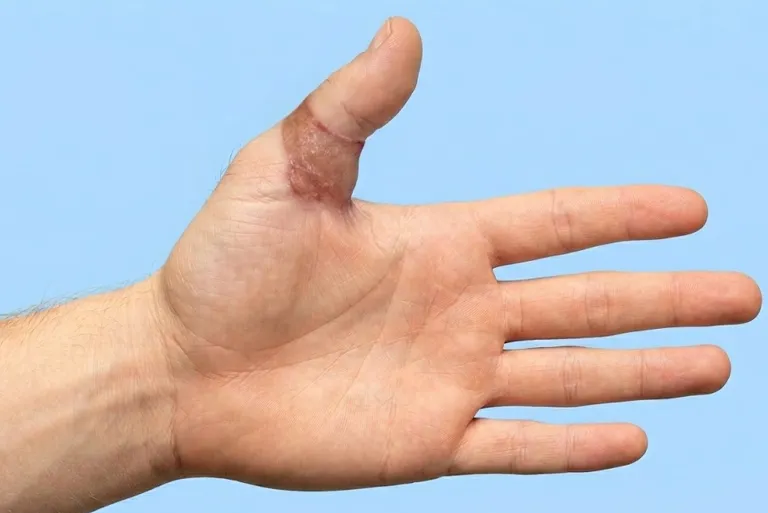
Toe-to-hand transfer is for patients whose digit loss significantly limits hand function and who want a biological reconstruction
that provides living sensation, true grip, and the kind of functional versatility that no prosthetic can replicate.

Traumatic loss of the thumb, which contributes approximately half of overall hand function.

Amputation of one or more fingers following industrial, agricultural, or road traffic injuries.

Congenital absence of the thumb or fingers where pollicisation is not applicable or sufficient.

Loss of pinch grip or key grip function that limits independence in work and daily activities.

Occupational demands requiring fine hand control, precision grip, or sustained manual function.

Preference for permanent biological reconstruction over prosthetic alternatives.

Situations where reimplantation of the original digit was not possible or was unsuccessful.

Good overall health and cardiovascular status suitable for a lengthy microsurgical procedure.

Strong motivation and commitment to the extended post-operative rehabilitation programme.

Desire to restore natural sensation, coordinated movement, and full grip function to the hand.

Shape Image

Questions & Answers

Frequently Asked Questions.

Toe-to-hand transfer is a microsurgical procedure in which a toe is transplanted from the foot to replace a missing finger or thumb in the hand. The second toe is most commonly selected because its size and shape most closely resemble those of the fingers, and its removal from the foot has a minimal long-term impact on walking and foot balance. In some cases the great toe or a combined transfer of multiple toes may be planned, depending on what is needed in the hand and the specific anatomy of the patient.

Yes, the nerves of the transferred toe are microsurgically reconnected to the nerves of the recipient site in the hand, allowing sensory recovery to develop progressively over the months following surgery. Most patients regain meaningful protective sensation and, in many cases, discriminative sensation that allows them to feel objects and textures with the transferred digit. Functional recovery includes the ability to grip, pinch, and perform fine motor tasks, with the degree of function improving throughout the rehabilitation period as the patient learns to use the transferred digit as an integral part of their hand.

Most patients are able to walk normally after recovery from the toe harvest, with minimal long-term impact on gait and foot balance. The second toe, which is the most commonly transferred, plays a relatively small role in weight-bearing and push-off during walking, and its absence is generally well compensated by the remaining toes over time. Patients are counselled about the expected impact on the foot before the procedure, and rehabilitation addresses both the hand and the foot recovery simultaneously to ensure the best outcome at both sites.

The initial post-operative period focuses on monitoring the circulation of the transferred digit and ensuring it is surviving well in its new position. Once stable, hand therapy is introduced progressively, beginning with gentle movement and building to active strengthening and task-specific training. Full functional recovery takes many months, as nerve regeneration and motor relearning both take time. At Galwa Care Hospital, the rehabilitation programme is structured and closely monitored, with therapy adjustments made regularly based on the patient's progress and the evolving function of the transferred digit.

Suitable candidates are patients with significant digit loss whose hand function and independence would meaningfully benefit from reconstruction, who are in good overall health to undergo a lengthy microsurgical procedure, and who are committed to the extended rehabilitation programme required for the best outcome. The decision to proceed is made following a thorough pre-operative assessment that evaluates the anatomy of both the hand and foot, the vascular supply available, the patient's functional goals, and a realistic discussion of the expected outcomes. At Galwa Care Hospital, patient selection is careful and honest, ensuring that the procedure is offered when it is genuinely likely to make a meaningful difference.

Appointment Request Form

Care Packages for Every Stage

Take the First Step Towards Better Care

Schedule your personalized consultation at Galwa Care Hospital to experience medical expertise combined with compassionate support for every patient journey
GALWA CARE