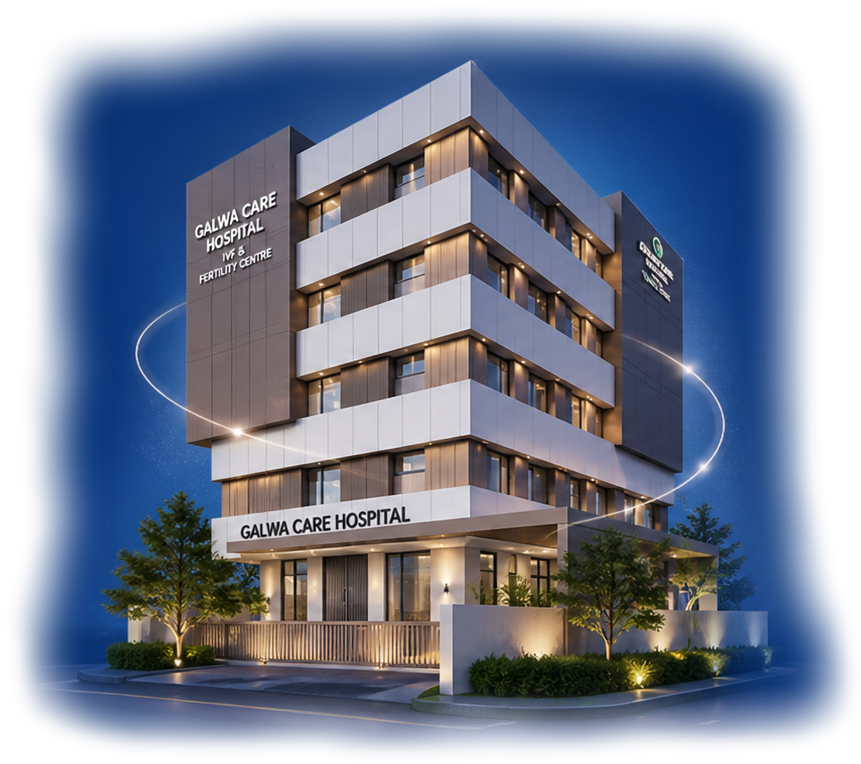
Advanced IVF, IUI & ICSI treatments with highest success rates — compassionate care for every step of your fertility journey.
State-of-the-art IVF lab, experienced embryologists and personalised protocols for the best possible outcomes.
Comprehensive care across pregnancy, fertility and advanced gynaecology — delivered with privacy, safety and compassion.
15+ years of expertise, advanced labs and personalised treatment plans.
Advanced facial & body cosmetic procedures by expert surgeons — natural results, minimal downtime, maximum confidence.
Board-certified surgeons delivering natural, beautiful results with the latest techniques.
Expert reconstructive & plastic surgery for hand, birth deformities, cancer reconstruction and trauma — restoring form and function with precision.
Advanced body contouring, breast surgeries & intimate procedures by expert surgeons — natural results, renewed confidence.
Advanced laser skin treatments, intimate wellness procedures & expert hair restoration — all under one roof.
State-of-the-art laser tech & hair restoration by certified specialists.
Comprehensive fertility, hormonal & genetic diagnostics for females and males — accurate, fast and confidential.
DNA Fragmentation Index testing measures hidden sperm DNA damage that may affect fertilisation, embryo quality, IVF success or miscarriage risk.
At Galwa Care Hospital, DFI is recommended when routine semen analysis is not enough to explain fertility challenges.
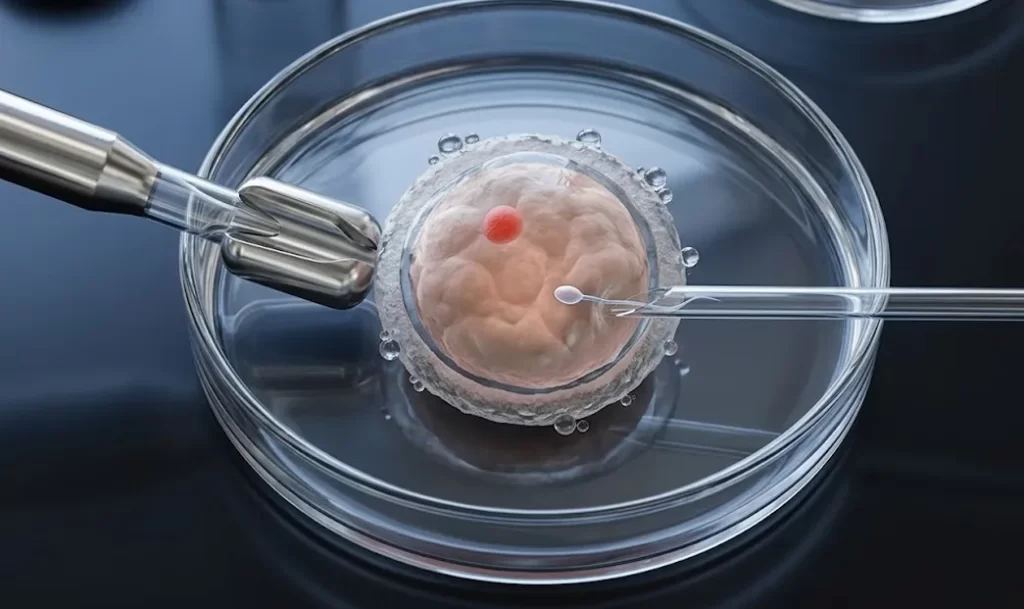
The result helps guide ICSI, sperm selection, lifestyle correction and advanced fertility planning with greater confidence.
When a couple has been unable to conceive despite a normal semen analysis and no identifiable female factor, sperm function testing frequently reveals hidden biological barriers including DNA fragmentation, membrane dysfunction, or anti-sperm antibodies that standard parameters cannot detect.
When multiple assisted reproduction cycles have failed without a clear explanation, DFI testing provides the critical missing answer. Elevated DNA fragmentation directly impairs fertilization, embryo development, and implantation, explaining why cycles fail despite good egg quality and technically successful procedures.
When a couple experiences repeated early pregnancy loss, high sperm DNA fragmentation is an increasingly recognised contributing factor. Identifying and treating elevated DFI before the next conception attempt significantly reduces the risk of further miscarriage and early embryo arrest.
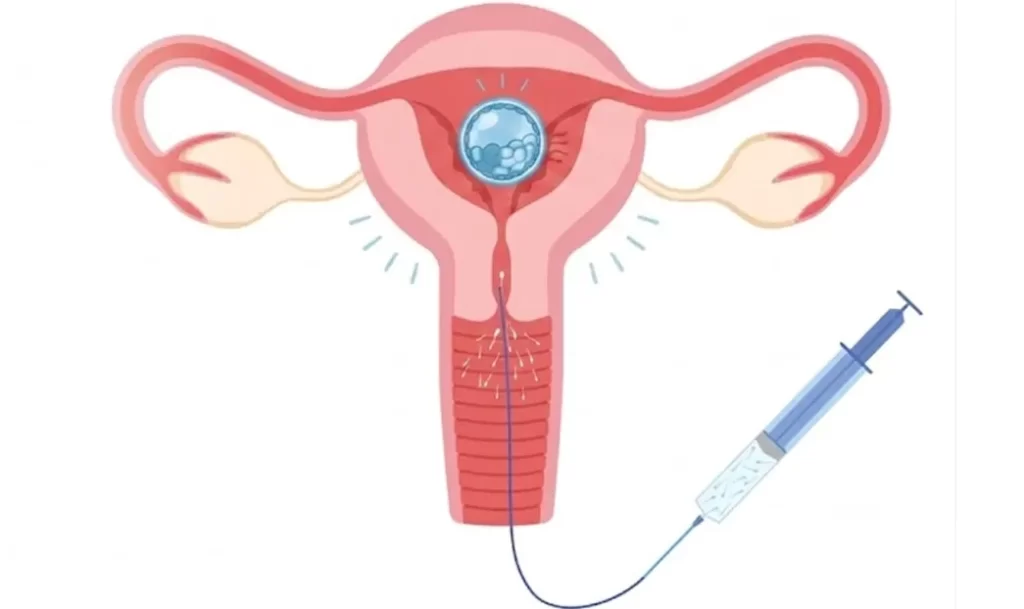
Before initiating any assisted reproduction procedure, DFI testing ensures that the sperm being used carry the lowest possible level of DNA damage, directly influencing the choice between IUI, IVF, ICSI, or surgical sperm retrieval for the best possible embryo outcomes.
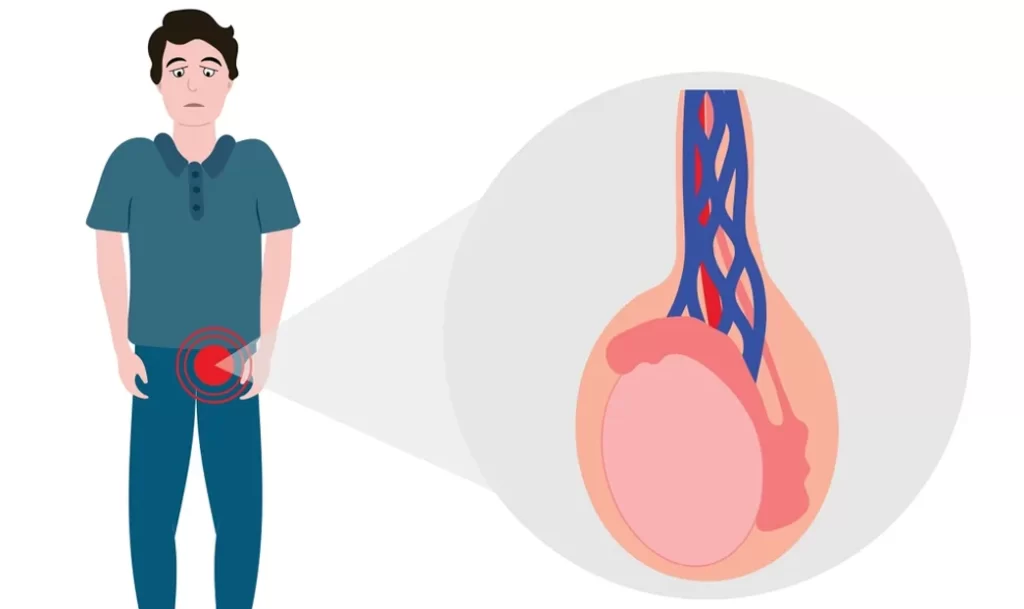
DFI testing assesses sperm DNA damage before varicocele surgery and objectively confirms improvement afterward. Varicocele is one of the most significant correctable causes of elevated DNA fragmentation, and DFI monitoring provides evidence-based confirmation of surgical success.
Men who have been exposed to chemotherapy, radiation, environmental toxins, or pesticides, and men above 40 where natural DNA repair mechanisms progressively decline, benefit most from DFI testing to accurately quantify the extent of DNA damage before any fertility treatment proceeds.
Required preparation, screening and safety checks are completed before sample collection or procedure planning.
The sample is collected privately under clear instructions and sent quickly for accurate laboratory processing.
The sample is processed to isolate the healthiest cells and improve suitability for freezing or treatment.
The laboratory measures key fertility parameters and prepares clinically useful results for specialist interpretation.
Your results are reviewed by the specialist and converted into a clear, personalised next-step plan.

Identifies DNA damage that is completely invisible on routine semen analysis, solving the diagnostic mystery of unexplained infertility for couples who have been told everything appears normal but cannot conceive.

Provides the specific, evidence-based reason behind repeated assisted reproduction failures, allowing fertility specialists to change strategy rather than simply repeat the same unsuccessful approach with no expectation of a different outcome.

Identifying and treating elevated sperm DNA fragmentation before the next conception attempt significantly reduces the risk of early pregnancy loss, embryo arrest, and recurrent miscarriage associated with high genetic damage in fertilising sperm.

DFI results directly and objectively influence the clinical decision between IUI, IVF, ICSI, surgical testicular sperm retrieval, or antioxidant treatment first, ensuring every couple receives the most clinically appropriate intervention for their specific level of sperm DNA damage.

Repeat DFI testing after lifestyle modification, antioxidant therapy, varicocele surgery, or infection treatment provides objective, quantifiable confirmation of improvement in sperm DNA quality before the next fertility treatment cycle begins.

Lower sperm DNA fragmentation is directly associated with better fertilization rates, higher quality embryo development, stronger blastocyst formation, and more successful implantation outcomes in both natural and assisted conception.

In men with very high ejaculate DFI, testicular sperm typically carry significantly lower DNA damage and are directly accessible through surgical retrieval, providing a clinically superior sperm source for ICSI with meaningfully improved embryo outcomes.

DFI testing quantifies the actual extent of DNA damage caused by smoking, alcohol, heat exposure, obesity, and environmental toxins, providing the objective evidence that motivates and prioritises the most impactful lifestyle changes for each individual patient.

For men above 40 where natural sperm DNA repair mechanisms progressively decline, DFI testing provides an accurate baseline assessment of genetic damage and guides the most appropriate fertility strategy before further age-related deterioration occurs.

By identifying elevated DFI before initiating or repeating fertility treatment, the DFI test prevents couples from enduring further emotionally and financially costly failed cycles that could have been avoided with the right diagnostic information from the outset.


Eggs Successfully Frozen

Vitrification Survival Rate

Years of Experience

Support to Call

A DFI below 15% is considered excellent with good fertility potential. Scores between 15% and 25% indicate moderate damage that may benefit from antioxidant therapy and lifestyle changes, while anything above 25 to 30% is associated with significantly reduced fertility outcomes requiring targeted medical attention. Yes, a DFI test is absolutely necessary even when semen analysis appears normal. A normal semen analysis does not rule out DNA fragmentation. Many men with entirely normal count, motility, and morphology carry significantly elevated sperm DNA damage, which is one of the most common and consistently missed causes of unexplained infertility and recurrent IVF failure that standard testing cannot identify.
Yes. Sperm DNA fragmentation is a highly responsive condition in the majority of cases. Effective improvement strategies include targeted antioxidant supplementation with vitamin C, vitamin E, coenzyme Q10, and zinc, smoking cessation, alcohol reduction, weight management, reducing heat exposure, treating any identified genital tract infection, and varicocelectomy for varicocele-related DNA damage. Sperm quality typically improves over 2 to 3 months as the sperm production cycle takes approximately 72 to 90 days to complete. Repeat DFI testing after this period provides objective confirmation of improvement before the next fertility treatment cycle is initiated.
A semen analysis evaluates the external characteristics of sperm including count, movement, and physical shape. The DFI test specifically and exclusively measures the genetic integrity of the DNA inside the sperm head, a parameter that no standard semen analysis can assess. Yes, DFI testing is strongly recommended before initiating IVF or ICSI. High DFI directly affects fertilization rates, embryo quality, blastocyst development, and implantation success. Knowing the DFI beforehand allows fertility specialists to select the most appropriate technique, consider surgical sperm retrieval if ejaculate DFI is very high, and optimise treatment to give every cycle the strongest possible foundation.
High DFI significantly reduces fertility but does not make biological fatherhood impossible. With the right targeted treatment, many men with elevated DFI go on to achieve successful pregnancies through natural conception, optimised IVF, or surgical testicular sperm retrieval where testicular sperm typically carry significantly lower DNA damage than ejaculated sperm. Yes, advanced paternal age is an important and often underappreciated factor in DFI. As men age, the natural DNA repair mechanisms within maturing sperm progressively decline, leading to a gradual and cumulative increase in fragmentation levels, making DFI testing increasingly important and clinically valuable for men above 40 who are planning to father children.
At Galwa Care Hospital, DFI test results are typically available within 24 to 48 hours of sample collection, allowing your specialist to begin planning the most appropriate treatment without any unnecessary delay. No fasting is required before the DFI test. However, 2 to 5 days of sexual abstinence is recommended before sample collection to ensure the most accurate and clinically representative result. Avoiding alcohol, smoking, and excessive heat exposure for several days before the test further ensures that the DFI measurement reflects the true baseline genetic quality of the sperm rather than any temporary environmental influence.