Shopping cart

Subtotal 0

View cartCheckout

Diagnostic Hysteroscopy Jodhpur

See Inside the Uterus, Diagnose
with Absolute Certainty

Diagnostic hysteroscopy examines the inside of the uterus with a thin camera to detect polyps, adhesions, septum, fibroids or lining problems.

At Galwa Care Hospital, it is used when infertility, miscarriages, abnormal bleeding or failed IVF cycles need clearer uterine assessment.

The procedure provides precise diagnosis and may allow correction of selected findings during the same sitting.

Are You Facing These Issues?

Free Consultation
from our Consultants

When the Uterus Needs to Be Seen Directly

Who Needs Diagnostic Hysteroscopy?

Diagnostic Hysteroscopy is recommended when gynaecological symptoms, abnormal imaging findings,
or clinical suspicion cannot be adequately confirmed, excluded, or explained through external investigations alone.

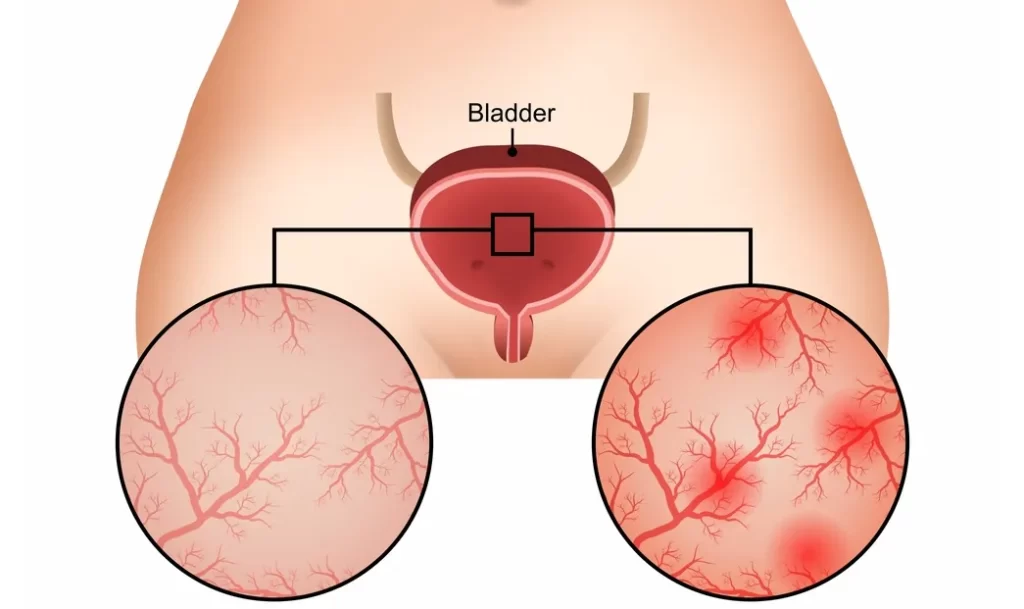
Abnormal or Post-Menopausal Uterine Bleeding

Women with heavy, prolonged, irregular, or unpredictable periods without a confirmed cause, and any woman with vaginal bleeding after menopause, require prompt and direct uterine investigation. Hysteroscopy provides the definitive visual answer that imaging alone cannot reliably deliver.

Suspected Uterine Polyps or Submucosal Fibroids

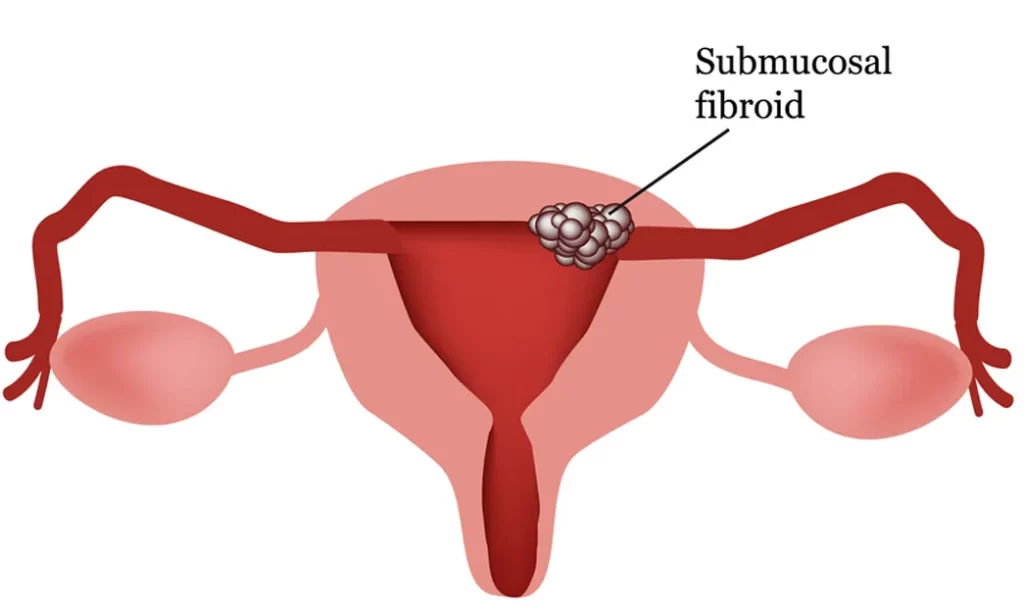
When ultrasound suggests a uterine polyp or submucosal fibroid projecting into the uterine cavity, hysteroscopy directly confirms its presence, characterises its size and location, and allows surgical removal in the same sitting where clinically appropriate.

Recurrent Miscarriages and Unexplained Infertility

When repeated pregnancy loss or unexplained infertility raises the suspicion of a structural uterine cause, hysteroscopy directly identifies uterine septum, intrauterine adhesions, polyps, or other cavity abnormalities that are silently contributing to implantation failure or early pregnancy loss.

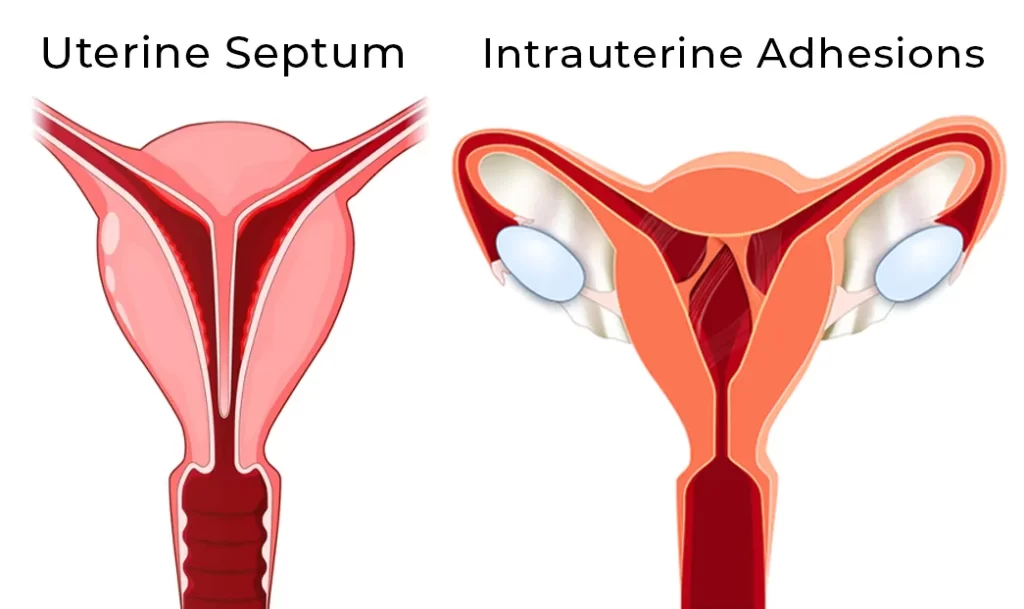
Intrauterine Adhesions and Uterine Septum

The diagnosis and extent assessment of intrauterine adhesions (Asherman’s syndrome) and congenital uterine anomalies including uterine septum require direct hysteroscopic examination for the most accurate characterisation before any surgical correction is planned.

Chronic Pelvic Pain and Inter-Menstrual Bleeding

Persistent or cyclical pelvic pain and spotting between regular periods that standard investigations have not fully explained require direct uterine assessment to identify or exclude intrauterine pathology as a contributing cause.

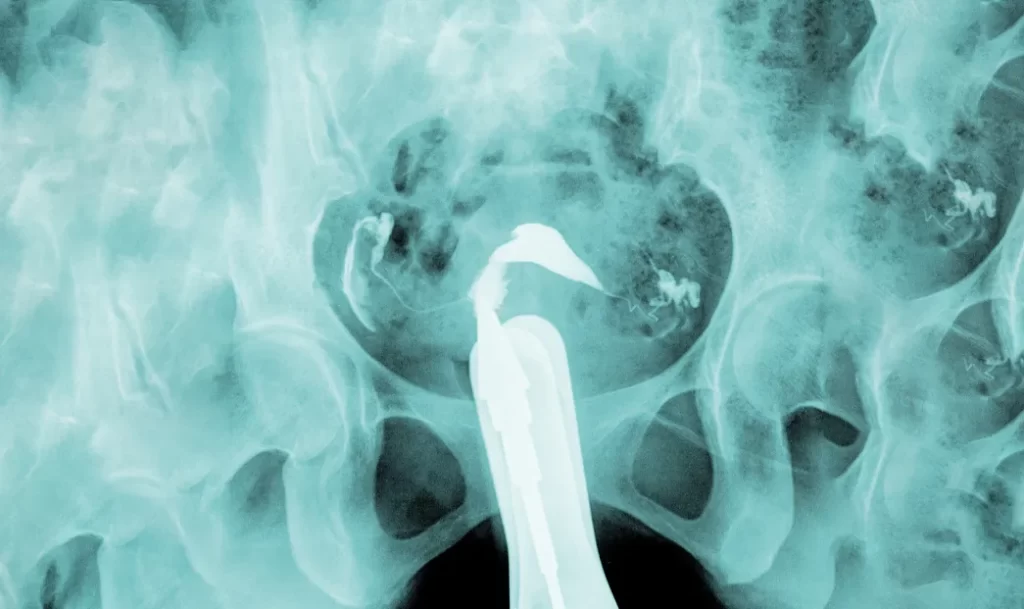
Abnormal Findings on Ultrasound or HSG

When ultrasound or hysterosalpingography raises a concern or suspicion about the uterine cavity or endometrial lining, hysteroscopy provides the direct visual confirmation or definitive exclusion of pathology that imaging-based assessment alone cannot reliably provide.

Gentle, Precise, and Thoroughly Explained

The Diagnostic Hysteroscopy Procedure

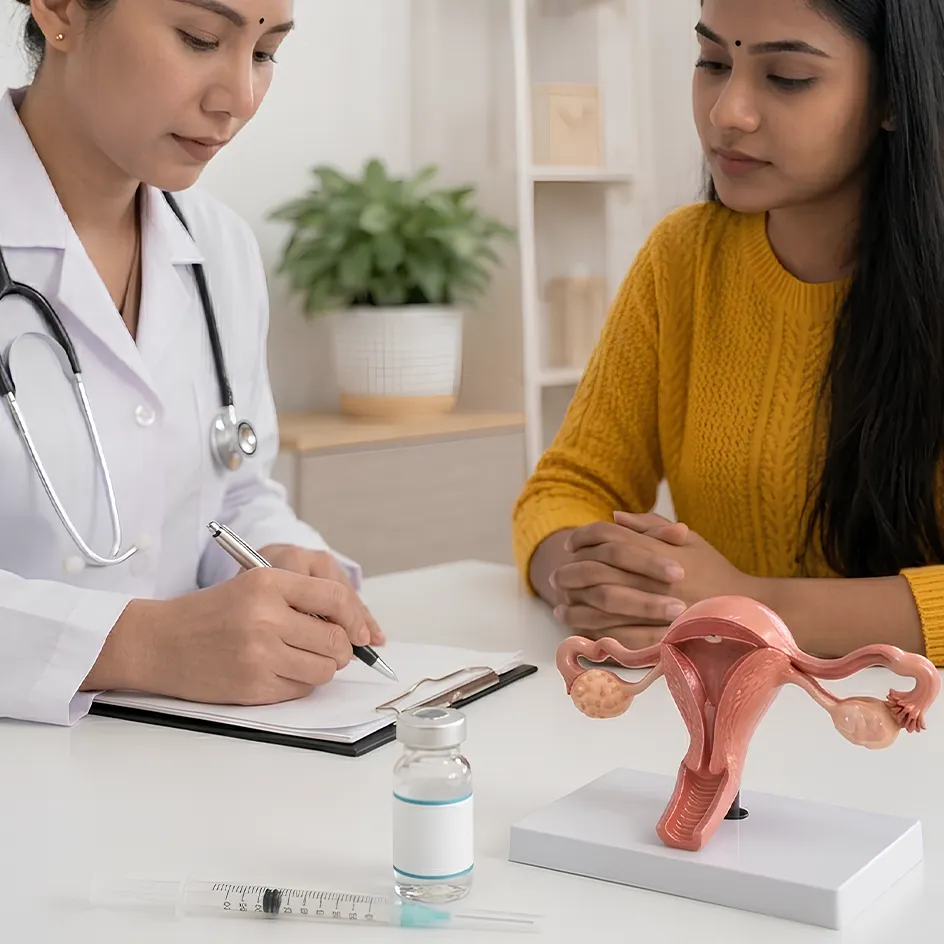
Every Diagnostic Hysteroscopy at Galwa Care Hospital follows a carefully structured, patient-centred process performed by experienced gynaecological specialists with complete transparency, expert anaesthetic support, and genuine attention to your comfort throughout.

Initial Consultation and Preparation

A thorough pre-procedure consultation reviews your complete medical history, current symptoms, previous investigations, and medications. The procedure is ideally scheduled between Day 6 and Day 12 of the menstrual cycle, when the endometrial lining is thinnest and the uterine cavity most clearly visible for comprehensive examination.

Anaesthesia and Comfort Management

Depending on your individual comfort level and clinical requirements, the procedure is performed under local anaesthesia, mild sedation, or short general anaesthesia. The choice of anaesthesia is always discussed and agreed upon with you in advance, never decided without your full input and consent.

Cervical Preparation

The cervix is gently and carefully dilated to allow smooth, comfortable passage of the hysteroscope into the uterine cavity. A cervical softening medication may be administered beforehand where needed, particularly for women who have not had a previous vaginal delivery.

Hysteroscope Insertion

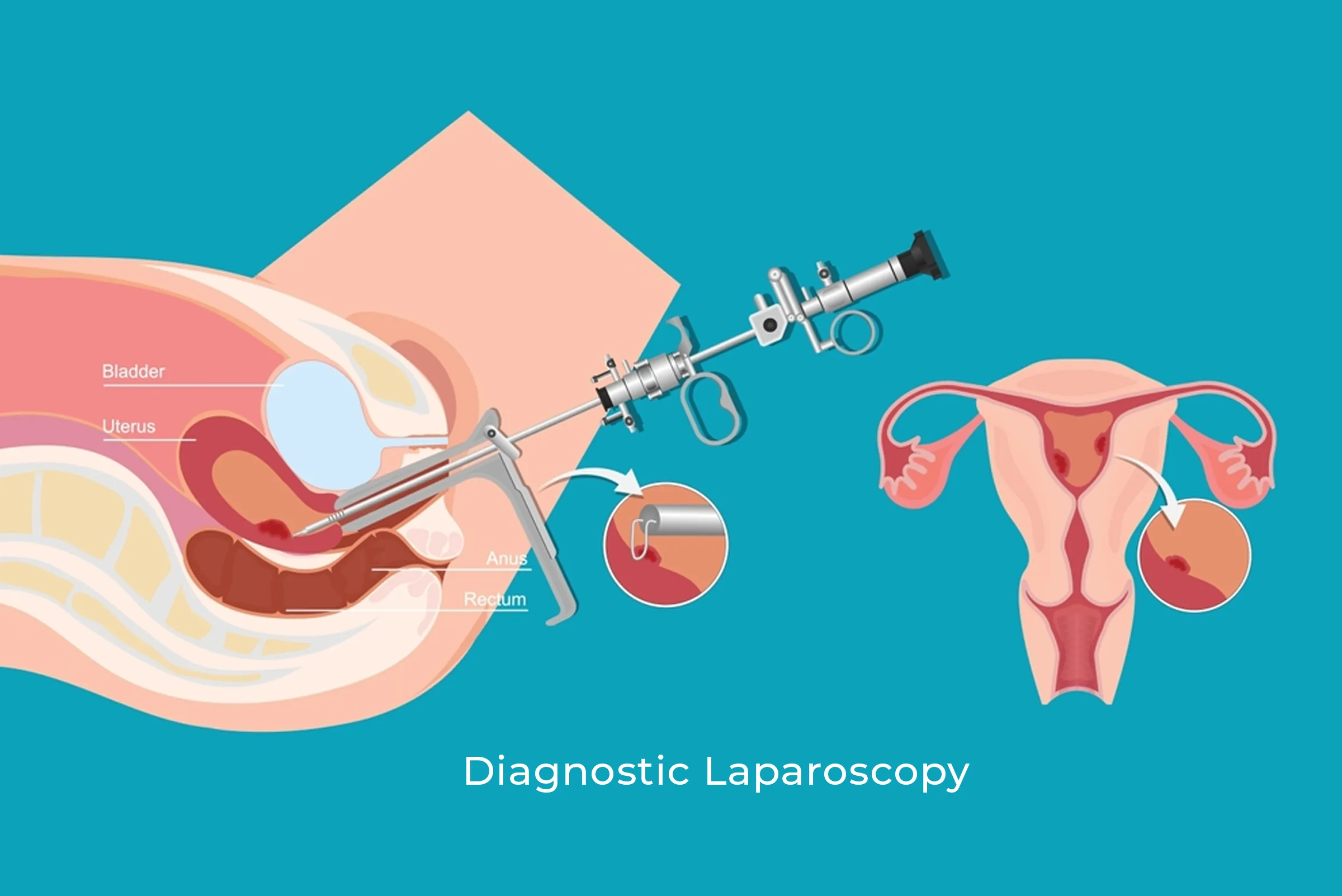
The hysteroscope is introduced gently through the vagina and cervix into the uterine cavity in a carefully controlled manner with no external cut, incision, or stitch at any point. The procedure is entirely internal, leaves no visible marks on the body, and is designed to cause the minimum possible discomfort throughout.

Uterine Distension and Cavity Expansion

A sterile saline solution or carbon dioxide gas is carefully introduced through the hysteroscope to gently expand the uterine cavity, creating the clear, unobstructed internal space that allows the specialist to examine every surface of the uterine interior systematically and thoroughly.

Direct Visualisation and Systematic Examination

The specialist performs a complete, methodical examination of the entire uterine cavity including the front wall, back wall, lateral walls, the fundus, both tubal ostia, and the full endometrial lining on a high-definition monitor. Every abnormality is directly observed, documented, and assessed in real time.

Endometrial Biopsy and Completion

If the endometrial lining appears thickened, irregular, or otherwise abnormal, a targeted tissue biopsy is taken through the hysteroscope during the same procedure. The procedure is typically completed within 10 to 30 minutes and most patients are discharged the same day, returning to light activities within 24 to 48 hours.

Direct Answers, No More Inconclusive Imaging

Benefits of Diagnostic Hysteroscopy

Diagnostic Hysteroscopy provides direct, first-hand, real-time visualisation of the uterine cavity with a level of clinical ,
accuracy certainty, and patient-friendliness that no external imaging investigation can replicate or approach.

Direct First-Hand Uterine Visualisation

The only procedure that sees inside the uterus directly, completely, and in real time, providing a level of diagnostic certainty and anatomical detail that ultrasound, MRI, and HSG are fundamentally incapable of delivering.

Diagnoses What Imaging Misses

Uterine polyps, small submucosal fibroids, intrauterine adhesions, uterine septum, and early endometrial abnormalities are frequently invisible or undercharacterised on standard imaging, but are clearly identified and accurately assessed through hysteroscopy.

No External Incisions or Scarring

The procedure is performed entirely through the natural vaginal and cervical pathway with absolutely no external cuts, stitches, or visible scarring, making it one of the most body-sparing investigative procedures available in modern gynaecology.

Diagnosis and Treatment in One Sitting

When a treatable abnormality such as a polyp or adhesion is identified, it can be surgically managed during the same hysteroscopic procedure, eliminating the need for a separate operative intervention and significantly reducing the patient's overall clinical burden.

Same-Day Day-Care Procedure

Completed within 10 to 30 minutes as a day-care procedure, Diagnostic Hysteroscopy requires no overnight hospital stay in the vast majority of cases and allows most women to return to light daily activities within 24 to 48 hours.

Simultaneous Targeted Biopsy Capability

A precisely targeted endometrial biopsy can be taken through the hysteroscope in the same procedure when the endometrial lining appears abnormal, providing histopathological confirmation without requiring any separate or additional biopsy procedure.

Definitively Explains Recurrent Miscarriage

For women who have experienced repeated pregnancy loss without a clear explanation, hysteroscopy directly identifies the structural uterine causes, including septum, adhesions, and polyps, that are silently preventing successful pregnancy.

Guides Every Subsequent Treatment Decision

The direct findings of Diagnostic Hysteroscopy form the most reliable and specific foundation for all subsequent treatment decisions, ensuring management is based on confirmed first-hand clinical evidence rather than imaging-based inference alone.

Rapid and Comfortable Recovery

Most women experience only mild cramping similar to period pain during and immediately after the procedure, with full return to light daily activities within 24 to 48 hours and no requirement for extended rest or recovery.

Excellent Safety Record

An internationally established, widely performed, and well-tolerated procedure with very low complication rates when performed by experienced gynaecological specialists, as consistently demonstrated at Galwa Care Hospital.

Prepare Well, Recover Quickly and Comfortably

Diagnostic Hysteroscopy — Do's and Don'ts

Following these simple recommendations before and after your Diagnostic Hysteroscopy will support the most accurate,
procedure, the most comfortable experience, and the smoothest and fastest possible recovery.

DO'S — What You Should Do

Schedule your procedure between Day 6 and Day 12 of your cycle for the clearest uterine view.

Inform your specialist of all current medications, supplements, and any known allergies before the procedure.

Fast for the required period before the procedure if sedation or general anaesthesia is planned.

Arrange for a responsible adult to accompany you and take you home after the procedure.

Wear loose, comfortable clothing on the day of your appointment for ease and post-procedure comfort.

Use a sanitary pad after the procedure as minor spotting for one to two days is entirely normal.

Take all prescribed pain relief medications as directed to manage any post-procedure cramping.

Rest adequately for the remainder of the day following the procedure before resuming light activity.

Attend your follow-up consultation promptly to discuss your findings and the recommended next steps.

Ask your specialist to explain every finding clearly so you fully understand your uterine health picture.

DONT'S — What You Should Avoid

Do not schedule the procedure during or immediately after your menstrual period.

Avoid sexual intercourse for five to seven days following the procedure as instructed by your specialist.

Do not use tampons, vaginal products, or douches for the recommended period after the procedure.

Avoid swimming and submerging the vaginal area in water for five to seven days post-procedure.

Do not engage in strenuous physical activity or heavy lifting for the recommended recovery period.

Avoid driving yourself home after the procedure if sedation or general anaesthesia was administered.

Do not ignore symptoms such as high fever, heavy bleeding, or severe pain after the procedure.

Avoid missing your follow-up consultation as the discussion of histopathology results is clinically essential.

Do not self-interpret hysteroscopy findings or biopsy results without specialist clinical guidance.

Avoid delaying the procedure if your specialist has specifically recommended it without seeking medical advice.

Experienced Hands, Definitive Answers, Compassionate Care

Uterine Diagnosis
Delivered with
Precision & Respect

Highly experienced gynaecological specialists with extensive hysteroscopic diagnostic expertise

Dedicated procedure suite with high-definition hysteroscopic imaging technology

Simultaneous biopsy capability with accredited in-house histopathology laboratory

Full anaesthetic flexibility including local anaesthesia, sedation, and general anaesthesia options

Same-day discharge for most patients with rapid return to light activities within 24 to 48 hours

Comprehensive pre-procedure counselling ensuring every patient is fully informed and confident

Immediate post-procedure result discussion with clear, compassionate specialist communication

2000+

Eggs Successfully Frozen

98%

Vitrification Survival Rate

15+

Years of Experience

24/7

Support to Call

Precise Diagnosis, Transparent and Fair Pricing

How Much Does Diagnostic Hysteroscopy Cost?

The cost of Diagnostic Hysteroscopy at Galwa Care Hospital depends on the type of anaesthesia selected, whether a biopsy is taken during the procedure, the complexity of the uterine findings, and the level of post-procedure follow-up required. All pricing is communicated clearly and transparently upfront with no hidden charges.

Easy EMI Facility Available

Pre-procedure consultation and assessment

Anaesthesia type selected

Hysteroscopy procedure fee

Endometrial biopsy if taken

Histopathology laboratory analysis

Post-procedure consultation and follow-up

Easy EMI Facility Available

Shape Image

Hysteroscopy Questions, Clearly Answered

Frequently Asked Questions.

No. Diagnostic Hysteroscopy is a minimally invasive diagnostic procedure performed without any external cuts, incisions, or stitches, and carried out as a comfortable day-care procedure without an overnight hospital stay in most cases. Most women experience mild cramping similar to period pain during the procedure. With the appropriate anaesthesia or sedation tailored to your individual preference and clinical requirements, the procedure is well tolerated and our team at Galwa Care Hospital prioritises your comfort, dignity, and complete reassurance at every stage from first consultation through to discharge.

The ideal timing for Diagnostic Hysteroscopy is between Day 6 and Day 12 of the menstrual cycle, after menstruation has ended and before ovulation, when the uterine lining is at its thinnest and the cavity is most clearly and comprehensively visible for examination. The hysteroscopic examination itself typically takes between 10 and 30 minutes. Including preparation, anaesthesia, the procedure, and a brief post-procedure recovery and monitoring period, you should plan for a total hospital visit of approximately 2 to 3 hours, after which most patients are discharged home the same day.

Hysteroscopy can identify suspicious or abnormal areas of the endometrium with direct visual accuracy, but cancer diagnosis requires histopathological confirmation through a tissue biopsy. A precisely targeted endometrial biopsy can be taken through the hysteroscope during the same procedure when an abnormality is identified, with histopathology results available from our accredited in-house laboratory within a few days. Your specialist at Galwa Care Hospital will discuss the hysteroscopic findings with you directly and immediately after the procedure is completed, with a follow-up consultation scheduled promptly once biopsy results are available.

Most women return comfortably to light daily activities within 24 to 48 hours of Diagnostic Hysteroscopy. Strenuous physical activity, heavy lifting, swimming, sexual intercourse, and the use of tampons or vaginal products are typically advised to be avoided for five to seven days following the procedure. Minor spotting or light bleeding for one to two days after is a normal and expected part of recovery. If you experience high fever, heavy bleeding, severe worsening pain, or any symptom that concerns you during recovery, contact the team at Galwa Care Hospital immediately without waiting for a scheduled appointment.

Women who have never been pregnant can safely and comfortably undergo Diagnostic Hysteroscopy. Gentle cervical preparation medication may be used beforehand to ensure smooth and comfortable hysteroscope insertion where needed, which our team will discuss with you during the pre-procedure consultation. General anaesthesia is not always required. Many women undergo the procedure comfortably under local anaesthesia or mild sedation. Your specialist at Galwa Care Hospital will recommend the most suitable anaesthesia option based on your individual comfort level, clinical history, and any specific concerns you express during your pre-procedure consultation.

Appointment Request Form

Care Packages for Every Stage

Take the First Step Towards Better Care

Schedule your personalized consultation at Galwa Care Hospital to experience medical expertise combined with compassionate support for every patient journey
GALWA CARE