Shopping cart

Subtotal 0

View cartCheckout

Amniotic Band Syndrome Jodhpur

Understanding Amniotic
Band Syndrome

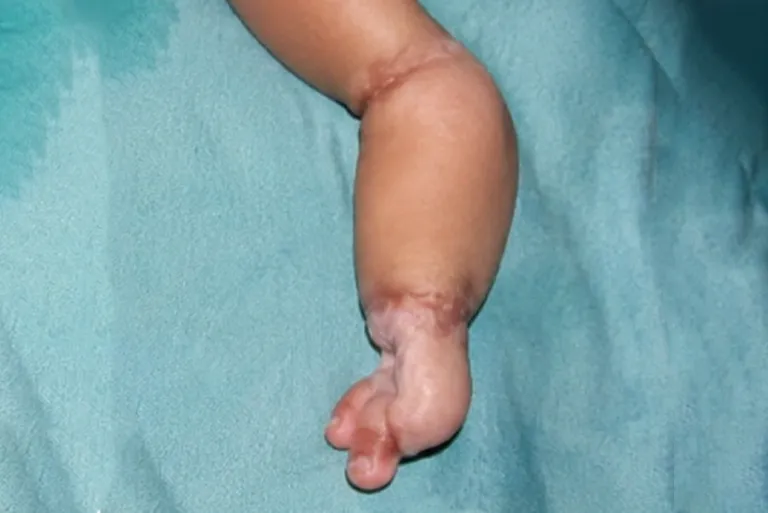
Amniotic band syndrome can cause constriction rings, swelling, deformity or restricted growth in fingers, toes or limbs present from birth.

Our specialists evaluate circulation, movement, skin tightness and functional impact to decide whether release, reconstruction or staged correction is required.

Early plastic surgical care helps protect growth, improve movement and support a more comfortable, functional outcome for the child.

RESTORE FLOW, RESTORE GROWTH

How we help at
Galwa Care Hospital

At Galwa Care Hospital, Amniotic Band Syndrome is managed through a carefully individualised surgical and rehabilitative
plan that prioritises restoring circulation, preserving limb function, and supporting the child's long-term development.

Our team begins with a comprehensive clinical and imaging assessment of the affected areas to understand the location, depth, and impact of each constriction band. This assessment determines the urgency and nature of intervention required. Surgical release of the bands is performed to relieve compression, restore blood flow and lymphatic drainage, and remove the physical restriction to normal tissue growth. The reconstruction of the skin and soft tissue around the constriction site is carried out with care to ensure the released area heals cleanly, maintains circulation, and allows the limb or digit to recover its natural appearance and function.

At Galwa Care Hospital, care following band release surgery is structured and supportive. Where the constriction has caused significant swelling, tissue changes, or functional limitation, physiotherapy and rehabilitation are incorporated into the recovery plan. Our team monitors the child’s progress closely at follow-up appointments, assessing both the physical healing and the functional development of the affected limb as the child grows. We understand how frightening this diagnosis can be for families, and we are committed to being present, clear, and genuinely supportive at every stage, ensuring that every child and every family receives the best possible care and guidance throughout the treatment journey.

ACT EARLY, PROTECT GROWTH

Why and For Whom Is Amniotic Band
Syndrome Treatment Important?

Treatment for Amniotic Band Syndrome is important whenever constriction bands are compromising
circulation, restricting growth, or threatening the function and development of a limb or digit.

Visible constriction rings on limbs, fingers, or toes causing compression of the underlying tissue.

Swelling of a limb or digit caused by restricted venous or lymphatic drainage from a tight band.

Compromised or asymmetrical limb growth resulting from band-related restriction during development.

Partial fusion or deformity of the digits caused by tight amniotic bands during fetal development.

Progressive tissue damage or risk of limb loss if constriction is not surgically relieved promptly.

Limited hand or foot movement and coordination caused by structural changes from the bands.

Cosmetic deformities that are likely to affect self-esteem, confidence, and social comfort as the child grows.

Prenatal or newborn diagnosis of amniotic bands requiring early surgical assessment and planning.

Pain, discomfort, or circulation concerns in a child caused by tight or constricting bands.

Early corrective intervention sought to support normal limb development and quality of life.

Shape Image

Questions & Answers

Frequently Asked Questions.

Amniotic Band Syndrome occurs when thin fibrous strands from the inner lining of the amniotic sac break free and wrap around parts of the developing baby during pregnancy. These bands physically compress and restrict the affected body parts, interfering with normal circulation and growth. The condition is not genetic or hereditary and is not caused by anything the parents did during pregnancy. It occurs sporadically and unpredictably, and many cases are identified during routine prenatal ultrasound examinations.

The limbs, fingers, and toes are the most frequently affected structures, though in rare cases the bands can also involve facial or cranial structures. The severity varies enormously between cases, ranging from shallow skin grooves to significant constriction rings with swelling, tissue damage, or digit loss. Many cases are identified during routine prenatal ultrasound, and a diagnosis before birth gives families and the medical team valuable time to plan appropriate care and ensure that the right specialist support is in place from the moment the baby is born.

Surgery is recommended when the amniotic bands are causing significant constriction, compromising circulation or lymphatic drainage, restricting growth, or posing a risk of progressive tissue damage. Mild cases with only shallow grooves and no circulatory compromise may be monitored rather than immediately operated on. When surgery is indicated, it is generally performed in infancy or early childhood to give the affected tissues the best opportunity to recover and develop normally. Early intervention consistently produces better outcomes than delayed treatment.

The surgery involves carefully releasing the constricting bands and reconstructing the skin and soft tissue in the affected area to restore normal circulation and allow the tissue to recover its natural appearance and function. The complexity of the procedure depends on the depth and location of the constriction. Recovery is generally manageable, with children typically adapting well as healing progresses. Physiotherapy may be incorporated where the constriction has affected limb function or range of movement, and follow-up appointments monitor the child's physical development closely over time.

With timely and appropriate treatment, most children with Amniotic Band Syndrome achieve very good long-term functional outcomes. In cases where the bands caused only constriction without significant tissue loss, full or near-full function of the affected area is commonly achieved. In more severe cases where tissue damage or digit loss occurred before birth, the focus shifts to maximising the function and quality of life of the affected limb through reconstructive surgery and rehabilitation. At Galwa Care Hospital, every child's plan is focused on achieving the best possible outcome for that individual's specific situation.

Appointment Request Form

Care Packages for Every Stage

Take the First Step Towards Better Care

Schedule your personalized consultation at Galwa Care Hospital to experience medical expertise combined with compassionate support for every patient journey
GALWA CARE