Advanced IVF, IUI & ICSI treatments with highest success rates — compassionate care for every step of your fertility journey.
State-of-the-art IVF lab, experienced embryologists and personalised protocols for the best possible outcomes.
Comprehensive care across pregnancy, fertility and advanced gynaecology — delivered with privacy, safety and compassion.
15+ years of expertise, advanced labs and personalised treatment plans.
Advanced facial & body cosmetic procedures by expert surgeons — natural results, minimal downtime, maximum confidence.
Board-certified surgeons delivering natural, beautiful results with the latest techniques.
Expert reconstructive & plastic surgery for hand, birth deformities, cancer reconstruction and trauma — restoring form and function with precision.
Advanced body contouring, breast surgeries & intimate procedures by expert surgeons — natural results, renewed confidence.
Advanced laser skin treatments, intimate wellness procedures & expert hair restoration — all under one roof.
State-of-the-art laser tech & hair restoration by certified specialists.
Comprehensive fertility, hormonal & genetic diagnostics for females and males — accurate, fast and confidential.
When a mother is carrying a single baby and the pregnancy has reached full term between 37 and 42 weeks with no complicating factors, normal vaginal delivery is the first-choice recommendation for a safe and healthy birth outcome.
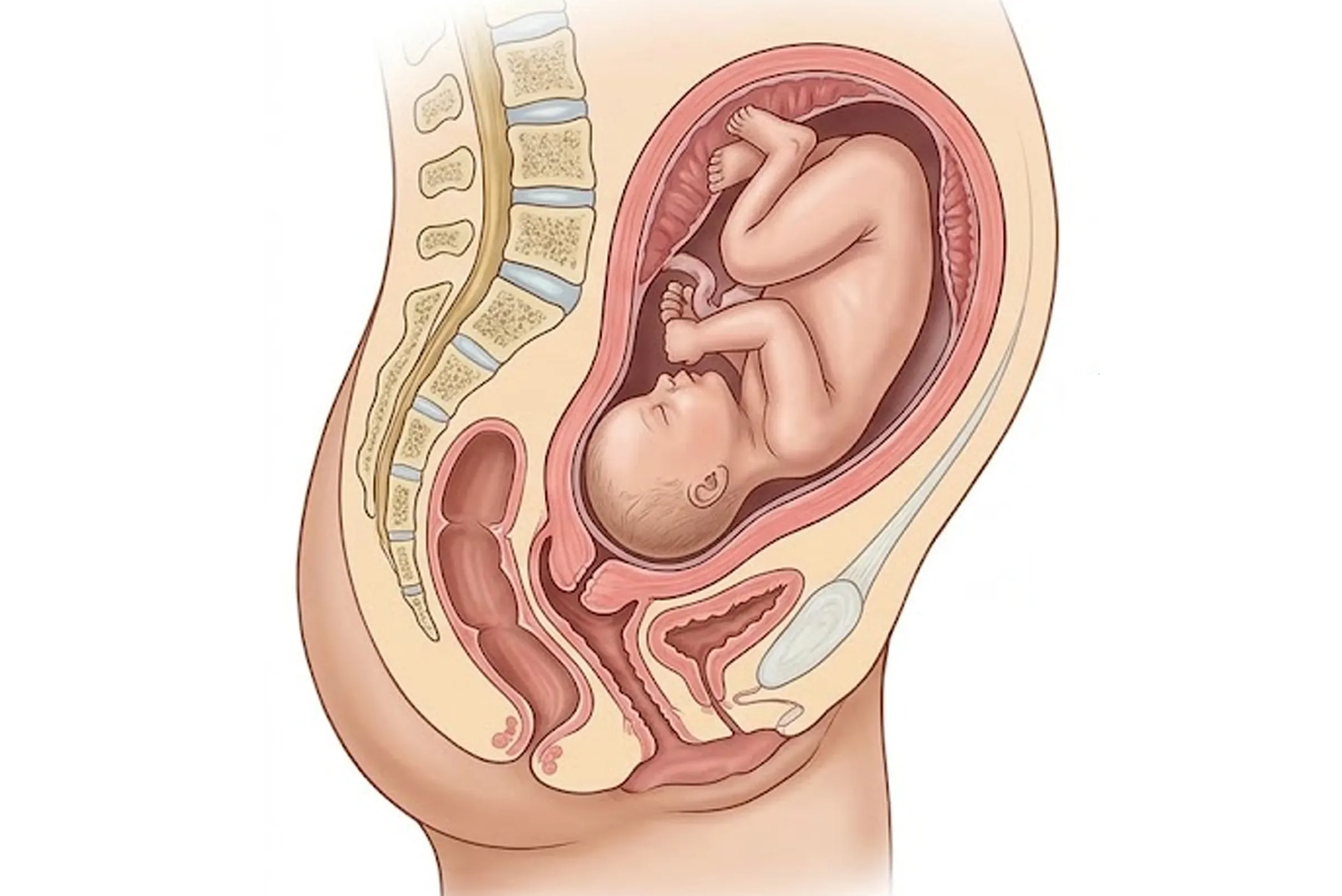
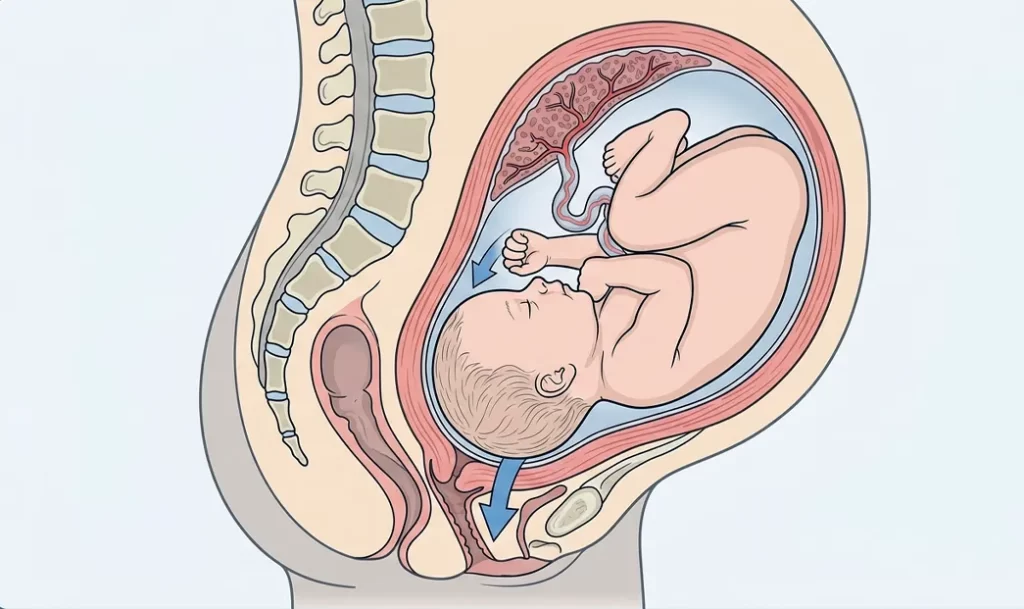
When the baby is positioned head-down in the uterus, the optimal and most common position for vaginal birth, the cervix and birth canal are best aligned for a smooth, natural delivery, making vaginal birth both safe and straightforward.
When continuous or intermittent fetal heart rate monitoring confirms that the baby is tolerating labour well with no signs of fetal distress, normal vaginal delivery can proceed safely and confidently under careful medical supervision.
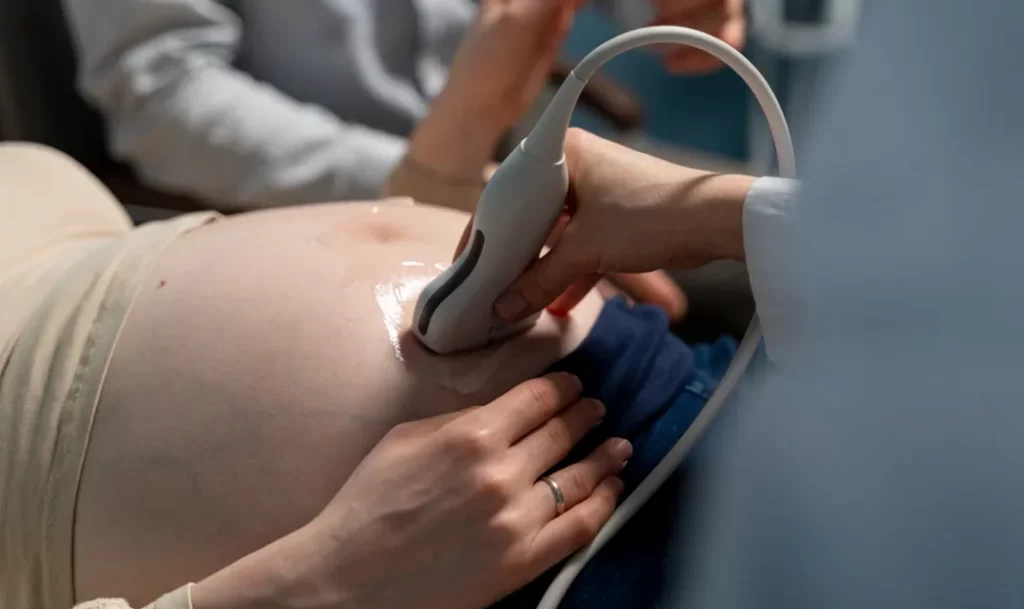
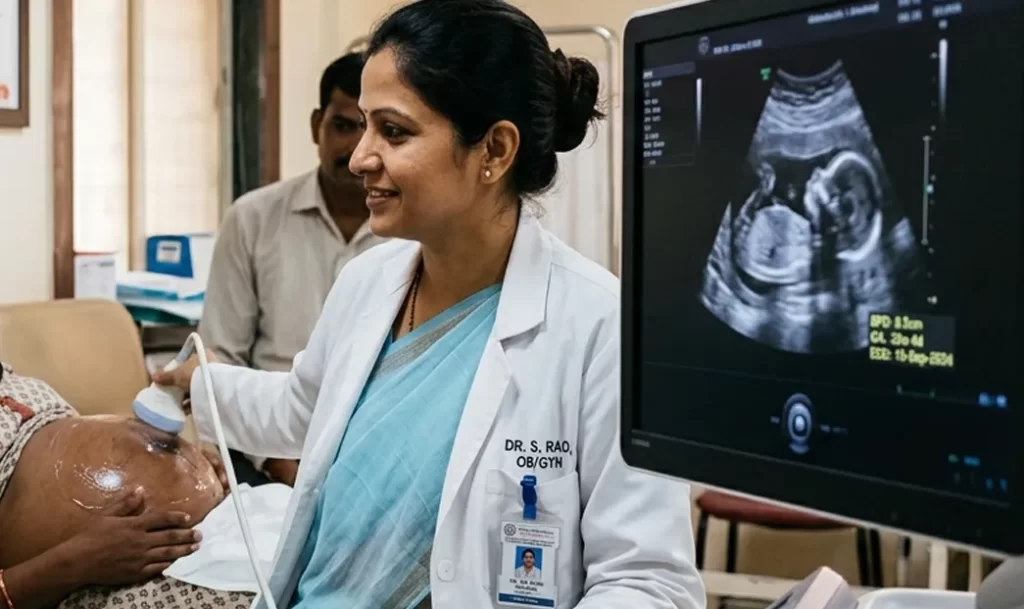
When clinical assessment and ultrasound confirm that the mother’s pelvis is of adequate size and the baby’s estimated weight is within a normal range, cephalopelvic disproportion is not a concern and vaginal delivery is entirely appropriate.
Women without serious medical comorbidities such as severe preeclampsia, uncontrolled diabetes, placenta previa, or active high-risk infections are excellent candidates for normal vaginal delivery with standard obstetric monitoring and support.
Women who have previously delivered vaginally without complications are excellent candidates for subsequent vaginal births. In carefully selected cases, women with a previous caesarean section may also be candidates for Vaginal Birth After Caesarean (VBAC).
Mild, irregular contractions begin and the cervix gradually softens and opens. Our team guides breathing, movement and comfort measures while monitoring early progress safely.
Contractions become stronger and closer as the cervix dilates toward 10 cm. Fetal heart monitoring, hydration, positioning and pain relief options are provided throughout.
CTG monitoring tracks baby’s heart rate while the mother receives personalised pain support, including breathing techniques, positioning, medications or epidural where suitable.
Once fully dilated, the mother pushes with contractions while the obstetric team guides safe descent, crowning and delivery, protecting both mother and baby at every step.
After birth, the placenta separates and is delivered naturally, usually within minutes. Oxytocin support and uterine checks help reduce bleeding risk and improve safety.
The first recovery hour includes vital checks, bleeding assessment, breastfeeding support and skin-to-skin bonding, helping mother and baby settle safely after delivery.

Shorter hospital stay and significantly faster overall physical recovery compared to caesarean delivery, allowing mothers to return to caring for their newborn and resuming daily activities much sooner.

Avoids the risks of surgical complications including excessive bleeding, wound infection, blood clots, and anaesthesia-related complications that carry additional burden in caesarean delivery.

Natural healing with no uterine surgical scar preserves full reproductive capacity and significantly reduces the risk of complications in future pregnancies including abnormal placentation and uterine rupture.

The natural surge of oxytocin and endorphins during labour and delivery actively promotes emotional well-being, supports early mother-baby bonding, and facilitates easier and more comfortable initiation of breastfeeding.

Passage through the birth canal compresses the baby's chest, naturally expelling amniotic fluid from the lungs and significantly reducing the risk of respiratory problems such as transient tachypnoea of the newborn.

Exposure to the maternal vaginal microbiome during birth colonises the baby's gut with beneficial bacteria, supporting immune system development and reducing the risk of allergies and autoimmune conditions later in life.

Vaginal delivery reduces the risk of placental complications including placenta praevia and accreta in future pregnancies, which are more common after repeated caesarean sections.

The natural hormonal effects of labour produce a newborn who is more alert, responsive, and ready to breastfeed immediately after birth compared to babies delivered by elective caesarean section.

Women who deliver vaginally often report a powerful sense of personal accomplishment, confidence, and empowerment from the birth experience that positively shapes their early motherhood journey.

Early microbiome colonization through vaginal delivery is associated with long-term health benefits including a lower incidence of obesity, type 1 diabetes, and asthma in children compared to caesarean-delivered peers.


Eggs Successfully Frozen

Vitrification Survival Rate

Years of Experience

Support to Call

True labour is characterised by regular contractions that progressively increase in strength, duration, and frequency and do not ease with rest or position change. A general guideline is to head to hospital when contractions are 5 minutes apart, lasting at least 1 minute, for a consistent hour. Go immediately if your waters break, if you experience heavy bleeding, if fetal movements reduce significantly, or if you develop severe headache, visual disturbances, or sudden swelling. If you are ever unsure, the team at Galwa Care Hospital is available 24 hours a day to assess you and provide guidance without hesitation.
Labour duration varies considerably. For first-time mothers, active labour typically lasts 8 to 12 hours in total. For women who have delivered before, it is often significantly shorter, sometimes 4 to 6 hours or less. Labour contractions are intense and can be painful, but every woman's experience is different. Galwa Care Hospital offers a full range of pain management options including epidural analgesia, Entonox, IV medications, positioning support, and breathing techniques, so every mother can choose the level of pain relief that feels right for her individual needs and preferences.
An episiotomy is a small surgical cut made at the vaginal opening to facilitate delivery when clinically needed. At Galwa Care Hospital, episiotomies are not performed routinely. They are only considered when specifically necessary, such as when there is a risk of severe tearing or when the baby needs to be delivered urgently. The decision is made by your obstetrician in the moment based on the progress of your individual delivery, always with your safety and comfort as the primary consideration.
Immediately after birth, your baby is placed on your chest for skin-to-skin contact during the golden hour while the umbilical cord is clamped and cut. The baby is assessed using the Apgar score at 1 and 5 minutes after birth. The placenta is then delivered, typically within 5 to 30 minutes, and your recovery including vital signs, uterine tone, and blood loss is closely monitored by our nursing team. Our lactation specialist supports you in initiating breastfeeding during this precious first hour, and our neonatal team is immediately available if your baby requires any additional assessment or care.
In carefully selected cases, yes. This is known as VBAC, Vaginal Birth After Caesarean. Eligibility depends on several factors including the type of previous uterine incision, the reason for the prior caesarean, the number of previous caesareans, and the clinical progress of your current pregnancy. Your specialist at Galwa Care Hospital will conduct a comprehensive individual assessment and discuss all available options, the benefits, the risks, and the monitoring protocol for VBAC, so you can make a fully informed decision about the safest and most appropriate mode of delivery for your individual situation.