Shopping cart

Subtotal 0

View cartCheckout

High-Risk Pregnancy Jodhpur

Your High-Risk Pregnancy
Deserves the Highest
Level of Care

A high-risk pregnancy needs closer monitoring, early warning detection, and specialist planning to protect both mother and baby. Conditions such as diabetes, hypertension, thyroid disease, previous pregnancy complications, multiple pregnancy, advanced maternal age, or fetal concerns require timely and coordinated care. At Galwa Care Hospital, Jodhpur, our maternity team creates personalised pregnancy plans with frequent assessments, ultrasound guidance, medical management, and delivery preparedness. The goal is to reduce risk, avoid preventable complications, and support the safest possible outcome.

Are You Facing These Issues?

Free Consultation
from our Consultants

Recognise the Warning Signs Early

Symptoms That Require Immediate
Attention in High-Risk Pregnancy

Recognising warning signs early is critical in a high-risk pregnancy. Contact the specialists at Galwa Care Hospital
immediately if you experience any of the following symptoms at any stage of your pregnancy.

Severe Headache, Visual Disturbances, and Swelling

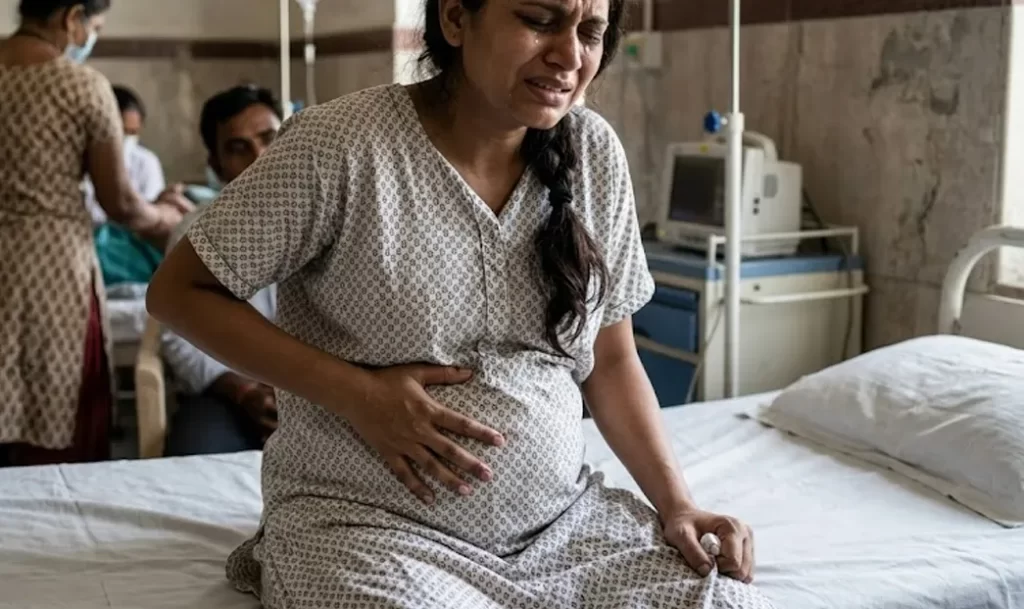
Severe or persistent headache that does not resolve with rest, sudden blurred vision or seeing spots, and rapidly worsening swelling of the face, hands, or feet are urgent warning signs of preeclampsia requiring immediate specialist assessment.

Heavy Vaginal Bleeding or Severe Abdominal Pain

Heavy vaginal bleeding or unusual spotting at any stage of pregnancy, and severe abdominal pain or persistent cramping that does not ease, are serious signs that may indicate placental complications, abruption, or other obstetric emergencies.

Decreased or Absent Fetal Movements

Significantly decreased or absent fetal movement after 28 weeks of pregnancy is always a cause for immediate concern and requires prompt fetal monitoring and assessment at Galwa Care Hospital without any delay.

High Fever, Burning Urination, or Signs of Infection

High fever above 38 degrees Celsius with chills, burning or pain during urination, and persistent vomiting leading to inability to keep any fluid down all indicate conditions that can significantly compromise both maternal and fetal health if left untreated.

Sudden Fluid Leakage or Chest Pain

Sudden leaking or gushing of fluid from the vagina may indicate premature rupture of membranes requiring urgent assessment. Chest pain, difficulty breathing, rapid heartbeat, or fainting episodes require immediate emergency medical attention.

Significant Sudden Weight Gain

Significant and sudden weight gain over a very short period, particularly in the third trimester, can indicate fluid retention and developing preeclampsia, a serious pregnancy complication that requires prompt blood pressure and urine protein assessment.

Comprehensive Monitoring at Every Stage

How High-Risk Pregnancy Is Diagnosed and Monitored

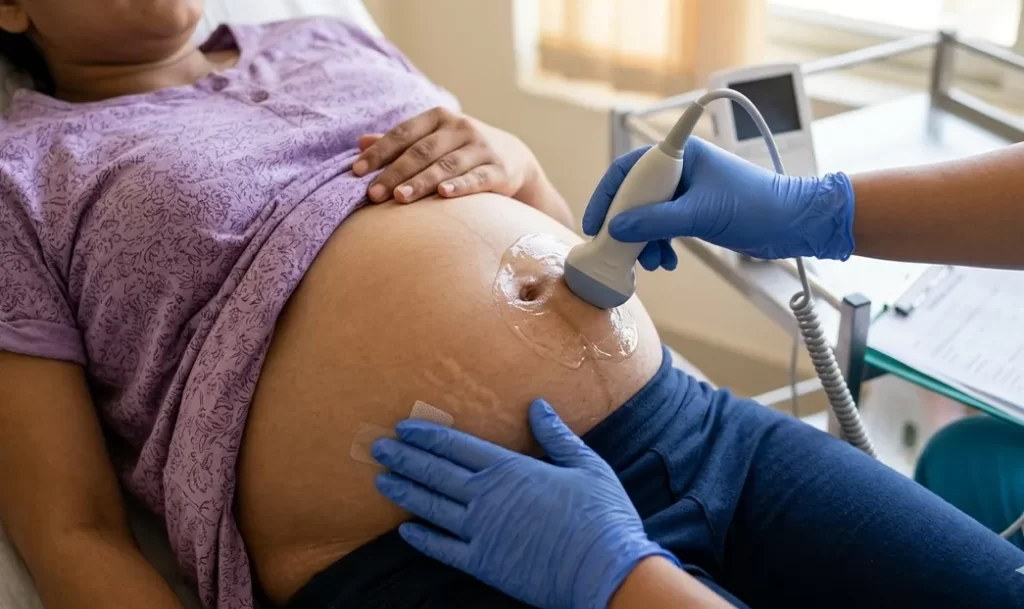
High-risk pregnancy care depends on early screening, targeted investigations and close fetal-maternal monitoring so complications are identified before they become emergencies.

First Trimester Screening

Early ultrasound and blood screening assess chromosomal and pregnancy risks. This gives the clinical team a clear foundation for safer monitoring and care planning.

NIPT Blood Test

Non-invasive prenatal testing studies fetal DNA from the mother’s blood from around 10 weeks, helping detect major chromosomal risks without procedure-related risk.

Detailed Anomaly Scan

The 18–22 week scan checks fetal organs, growth and structure in detail, helping plan specialist care if any developmental or structural concern is detected.

Fetal Echo & Doppler

Fetal heart evaluation and Doppler blood-flow studies identify cardiac concerns, placental insufficiency and babies at risk of growth restriction or distress.

Growth & Wellbeing Scans

Serial growth scans and biophysical profiles monitor baby’s growth, fluid levels, movement and overall wellbeing during the most important weeks of pregnancy.

Maternal Tests

Blood pressure, urine protein, glucose, thyroid, liver and clotting tests are repeated as needed to detect preeclampsia, diabetes or other maternal risks early.

CTG Monitoring

Cardiotocography records baby’s heart rate and response to movement or contractions, giving real-time information during late pregnancy and labour.

Advanced Diagnostic Testing

When screening shows significant concern, CVS or amniocentesis may be advised for definitive genetic diagnosis and precise delivery or neonatal planning.

Specialist Care Makes Every Difference

Benefits of Expert High-Risk Pregnancy Management

With the right specialist team, consistent monitoring, and a proactive management approach, the risks of a high-risk pregnancy
fcan be significantly reduced, with the majority of women achieving a safe delivery and a healthy baby.

Earlier Detection of Developing Complications

More frequent appointments, scans, and blood tests mean that any developing complication is identified and managed significantly earlier than it would be in standard antenatal care, when intervention is most effective.

Specialist Multidisciplinary Team Involvement

Access to a coordinated team of experts including maternal-fetal medicine specialists, neonatologists, cardiologists, endocrinologists, and rheumatologists ensures comprehensive, joined-up care that no single clinician can provide alone.

Proactive Intervention Reduces Serious Risk

Early identification and management of conditions such as preeclampsia, gestational diabetes, and fetal growth restriction significantly reduces the likelihood of severe adverse outcomes for both mother and baby.

Personalized Care Plan for Every Patient

Every aspect of high-risk pregnancy management at Galwa Care Hospital is tailored to the individual patient's specific conditions, risks, and personal circumstances, with nothing generic, templated, or one-size-fits-all.

Immediate NICU Readiness at Delivery

In high-risk deliveries, having a neonatal intensive care unit team immediately on standby means that any newborn requiring specialist support receives expert care within seconds of birth, at any hour of the day.

Optimised Management of Pre-Existing Conditions

Conditions such as diabetes, hypertension, thyroid disorders, and autoimmune disease are managed in close coordination with relevant subspecialists, ensuring that both the pregnancy and the underlying condition are optimally controlled simultaneously.

Reduced Risk of Preterm Birth Complications

Early identification of preterm labour risk, cervical length assessment, and proactive use of progesterone therapy and cervical cerclage where indicated reduces the risk of premature delivery and its associated newborn complications.

Mental Health and Emotional Wellbeing Support

Galwa Care Hospital provides access to dedicated pregnancy counsellors and mental health support as part of our holistic high-risk pregnancy programme, because emotional wellbeing is just as important as physical health throughout this journey.

Safer Labour and Delivery Planning

Detailed delivery planning including mode of birth, optimal timing, anaesthetic preparation, and neonatal team readiness is established well in advance for every high-risk patient, ensuring no moment of labour is left to chance.

Greater Maternal Confidence and Reassurance

Regular monitoring, clear and honest communication, and consistent access to a trusted specialist team meaningfully reduces maternal anxiety and empowers every high-risk mother to feel more informed and in control of her journey.

Every Choice Matters in High-Risk Pregnancy

High-Risk Pregnancy — Do's and Don'ts

Following these recommendations throughout your high-risk pregnancy will support the safest possible pregnancy progress,
the earliest identification of any complications, and the best possible outcome for you and your baby.

DO'S — What You Should Do

Register with a high-risk pregnancy specialist at Galwa Care Hospital as early as possible.

Attend every scheduled antenatal appointment without missing or delaying any visit.

Monitor fetal movements daily from 28 weeks and report any reduction immediately.

Take all prescribed medications including blood pressure, thyroid, or diabetes management consistently.

Maintain a nutritious, balanced diet tailored to your specific condition as advised by your specialist.

Monitor your blood pressure and blood sugar at home as directed and keep a record to share.

Contact your doctor immediately if you experience any of the warning signs discussed at your consultation.

Seek mental health support openly if you feel anxious, overwhelmed, or emotionally distressed.

Attend all specialist co-management appointments including cardiology, endocrinology, or nephrology.

Ask your obstetrician to explain your birth plan and delivery options clearly before your third trimester.

DONT'S — What You Should Avoid

Do not skip antenatal appointments even if you are feeling well as complications often develop silently.

Avoid self-medicating or adjusting prescribed medications without specialist guidance at any point.

Do not ignore any new or worsening symptom regardless of how minor it may initially seem.

Avoid strenuous physical activity without explicit clearance from your obstetrician for your specific condition.

Do not smoke, consume alcohol, or use any recreational substances throughout your pregnancy.

Avoid prolonged bed rest without medical advice as immobility increases blood clot risk significantly.

Do not make dietary changes without guidance particularly with gestational diabetes or hypertension.

Avoid excessive stress and seek proactive psychological support if anxiety is affecting your daily life.

Do not compare your care or monitoring frequency with lower-risk pregnancies as your needs are different.

Avoid delaying going to hospital if you experience any emergency warning symptom at any time.

Expertise You Can Trust, Every Step Forward

Rajasthan's Most
Trusted Centre for
High-Risk Pregnancy Care

Dedicated maternal-fetal medicine specialists with extensive high-risk pregnancy expertise

Comprehensive diagnostic capability including NIPT, fetal echo, Doppler studies, and growth scans

Multidisciplinary co-management with cardiology, endocrinology, nephrology, and rheumatology

Level III NICU with experienced neonatologists available at every high-risk delivery

24/7 obstetric emergency capability with immediate surgical and anaesthetic team readiness

Dedicated pregnancy counselling and mental health support as integral parts of every care plan

Personalised delivery planning established well in advance for every high-risk patient

2000+

Eggs Successfully Frozen

98%

Vitrification Survival Rate

15+

Years of Experience

24/7

Support to Call

Comprehensive Specialist Care, Transparent Pricing

How Much Does High-Risk Pregnancy Care Cost?

The cost of high-risk pregnancy care at Galwa Care Hospital depends on the specific risk factors involved, the frequency of monitoring required, the diagnostic investigations needed, subspecialty co-management requirements, and the mode and complexity of delivery planned. All pricing is communicated clearly and transparently upfront with no hidden charges.

Easy EMI Facility Available

Specialist maternal-fetal medicine consultations

Advanced diagnostic scans and investigations

Subspecialty co-management appointments

Medications and prescribed supplements

Labour monitoring and delivery care

NICU support if required after delivery

Postnatal specialist follow-up care

Easy EMI Facility Available

Shape Image

High-Risk Pregnancy Questions, Clearly Answered

Frequently Asked Questions.

No. A high-risk classification means closer monitoring and specialist care are needed, not that complications are inevitable. With the right management at Galwa Care Hospital, the majority of women with high-risk pregnancies deliver healthy babies successfully. Ideally, you should see a high-risk pregnancy specialist as early in your pregnancy as possible, or even before conception if you have a known medical condition. Early specialist involvement allows for pre-conception optimisation of health conditions and proactive planning from the very beginning of your pregnancy journey.

Many women with high-risk pregnancies deliver vaginally and successfully. The mode of delivery depends on the specific risk factors involved, the baby's presentation and wellbeing, placental position, the progress of labour, and the overall clinical picture at the time of delivery. Your obstetrician at Galwa Care Hospital will discuss the safest delivery option for your individual circumstances in detail during the third trimester, establishing a clear and personalised birth plan well in advance of your due date.

Preeclampsia is a serious pregnancy complication characterised by high blood pressure and protein in the urine after 20 weeks, which can progress to affect the liver, kidneys, brain, and blood clotting if not managed promptly. It is managed with blood pressure medications, close maternal and fetal monitoring, magnesium sulphate to prevent seizures in severe cases, and carefully timed delivery, which is the only definitive treatment. At Galwa Care Hospital, our team has extensive experience in identifying and managing preeclampsia at all stages of severity with the fastest possible response to any deterioration in maternal condition.

The frequency of appointments depends entirely on your specific risk factors and how your pregnancy is progressing. Some patients are seen every 2 to 4 weeks, while others with more complex conditions may require weekly or more frequent visits. Your specialist at Galwa Care Hospital will design a monitoring schedule tailored to your individual needs. Regarding exercise, in many high-risk pregnancies, gentle, low-impact activity such as walking and prenatal yoga remains safe and beneficial. However, the type and intensity appropriate for you depends entirely on your specific condition, and you should always seek explicit guidance from your obstetrician before beginning or continuing any exercise programme.

If your baby requires additional support after birth, our Level III NICU at Galwa Care Hospital is immediately available, staffed by experienced neonatologists and specialist nursing staff providing expert care for premature, low birth weight, or medically complex newborns around the clock. For all planned high-risk deliveries, the NICU team is present in the delivery room from the moment of birth to ensure immediate expert assessment and intervention if needed. Our team will explain the NICU process, what to expect, and how you can remain involved in your baby's care throughout the admission, supporting both your baby's recovery and your own emotional well-being.

Appointment Request Form

Care Packages for Every Stage

Take the First Step Towards Better Care

Schedule your personalized consultation at Galwa Care Hospital to experience medical expertise combined with compassionate support for every patient journey
GALWA CARE