Advanced IVF, IUI & ICSI treatments with highest success rates — compassionate care for every step of your fertility journey.
State-of-the-art IVF lab, experienced embryologists and personalised protocols for the best possible outcomes.
Comprehensive care across pregnancy, fertility and advanced gynaecology — delivered with privacy, safety and compassion.
15+ years of expertise, advanced labs and personalised treatment plans.
Advanced facial & body cosmetic procedures by expert surgeons — natural results, minimal downtime, maximum confidence.
Board-certified surgeons delivering natural, beautiful results with the latest techniques.
Expert reconstructive & plastic surgery for hand, birth deformities, cancer reconstruction and trauma — restoring form and function with precision.
Advanced body contouring, breast surgeries & intimate procedures by expert surgeons — natural results, renewed confidence.
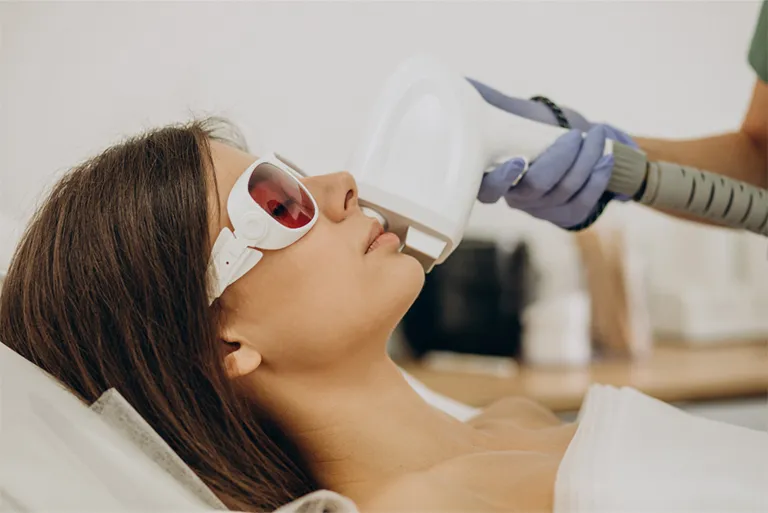
Advanced laser skin treatments, intimate wellness procedures & expert hair restoration — all under one roof.
State-of-the-art laser tech & hair restoration by certified specialists.
Comprehensive fertility, hormonal & genetic diagnostics for females and males — accurate, fast and confidential.
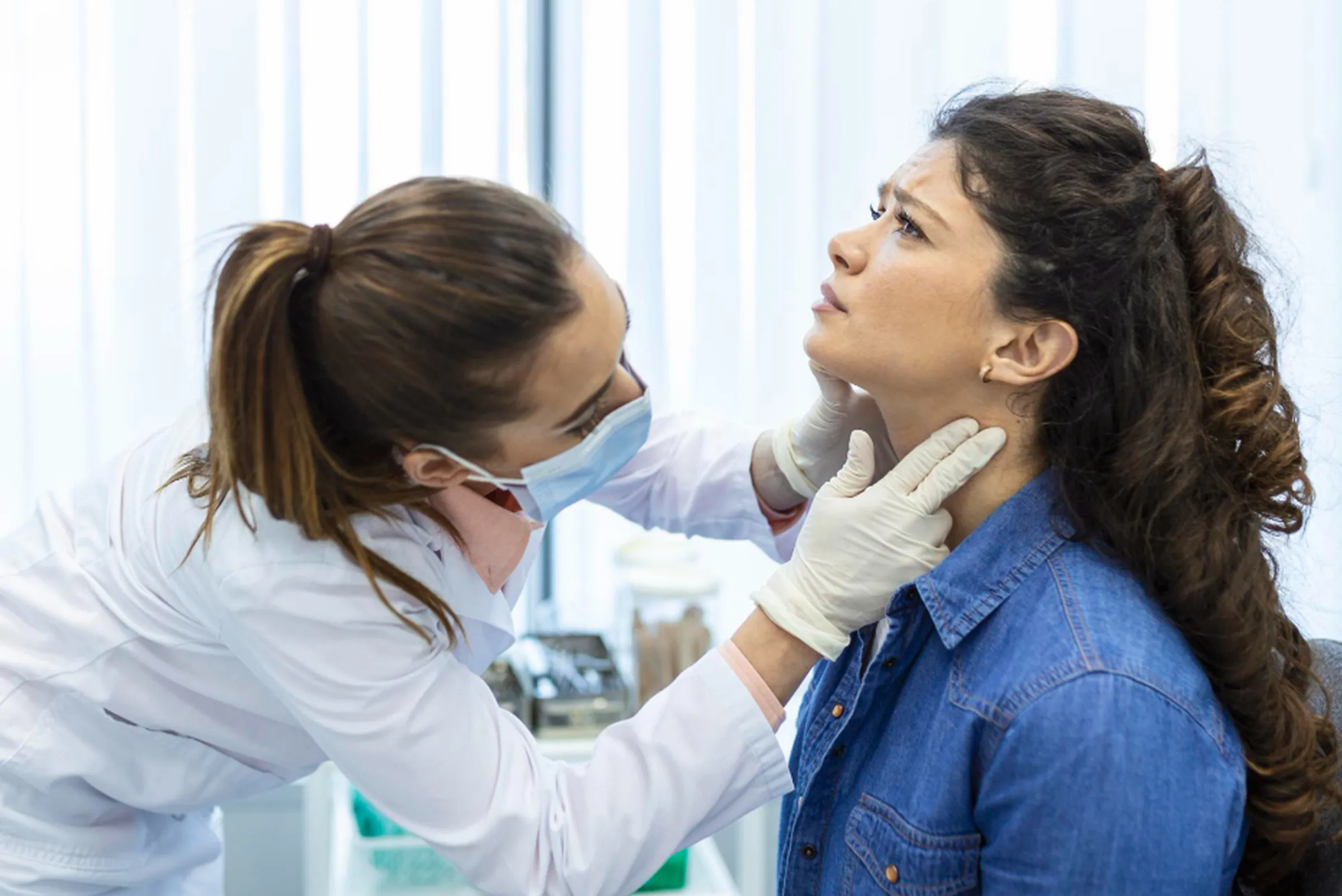
Hormone testing evaluates the endocrine signals that control ovulation, periods, ovarian reserve, thyroid function and reproductive health.
Our specialists connect test results with symptoms such as irregular cycles, PCOS, infertility or recurrent pregnancy loss.
The assessment helps create a targeted treatment plan instead of relying on guesswork.
Hormonal imbalance is the most common direct cause of cycle disruption. When periods are irregular, infrequent, or completely absent, a comprehensive hormonal panel is the essential first step to identifying and correcting the underlying endocrine cause.
Polycystic Ovary Syndrome requires detailed hormonal profiling including LH, FSH, testosterone, insulin, and AMH to fully characterise the endocrine pattern, guide ovulation induction protocols, and assess metabolic risk alongside reproductive impact.
When standard investigations have not identified a clear cause of infertility, hormonal assessment frequently reveals what other tests have missed, identifying subtle imbalances in thyroid function, prolactin, progesterone, or ovarian reserve that are silently preventing conception.
Ovarian reserve and reproductive hormone levels decline with age, making timely AMH, FSH, and antral follicle count assessment essential for women above 35 to understand their remaining fertility window and plan the most appropriate and time-sensitive treatment.
Thyroid dysfunction and inadequate progesterone production are key hormonal contributors to recurrent early pregnancy loss. Endocrine assessment identifies and quantifies these factors, enabling targeted treatment that significantly reduces future miscarriage risk.
Baseline and stimulated hormonal levels directly guide protocol decisions for all fertility treatments. The choice of medications, their dosages, and the precise timing of treatment cycles are all determined by the endocrine assessment findings at the start of every cycle.
The most important cycle-specific testing window. FSH, LH, Estradiol, and AMH are measured on Day 2 or Day 3 of the menstrual cycle to provide a baseline assessment of ovarian reserve, pituitary function, and the hormonal environment at the start of each cycle.
An LH surge test confirms that ovulation is occurring at the expected time. This midcycle assessment is particularly important in women with irregular cycles or those undergoing ovulation induction, where precise identification of the ovulatory window is clinically essential.
A progesterone measurement taken 7 days after confirmed ovulation, typically on Day 21, confirms whether ovulation has actually occurred and whether the corpus luteum is producing sufficient progesterone to support the uterine lining for implantation and early pregnancy.
Thyroid function tests (TSH, T3, T4), prolactin, AMH, and testosterone can be measured at any point in the cycle without timing dependency. These are critical components of the fertility endocrine panel that should never be omitted from a complete assessment.
A complete hormonal baseline panel is required before starting any fertility treatment cycle. This comprehensive pre-treatment assessment ensures that stimulation protocols, medication choices, and dosing are fully individualised and optimised for each patient.
During IVF or ovulation induction cycles, serial oestrogen and LH measurements are taken every 1 to 2 days to track follicular response, confirm adequate stimulation, guide dose adjustments, and precisely time the trigger injection for optimal egg maturation.
Every endocrine assessment result at Galwa Care Hospital is reviewed and interpreted by a fertility specialist or endocrinologist in the context of your complete clinical picture. Results are explained clearly and translated directly into an individualised, evidence-based treatment plan.

Many hormonal causes of infertility produce no obvious symptoms. An endocrine assessment reveals imbalances in thyroid function, prolactin, progesterone, and the pituitary-gonadal axis that blood tests alone cannot identify without targeted hormonal profiling.

AMH combined with FSH, LH, Estradiol, and antral follicle count provides the most complete and reliable assessment of a woman's remaining ovarian reserve, directly informing the urgency and choice of fertility treatment pathway.

Hormonal data from the endocrine assessment directly determines the choice of fertility medications, their precise dosages, and the timing of every step in IUI, IVF, and ovulation induction cycles, making treatment as targeted and effective as possible.

Thyroid disorders, hyperprolactinaemia, and luteal phase deficiency are all highly treatable causes of infertility and recurrent miscarriage that an endocrine assessment identifies and quantifies, enabling prompt and effective hormonal correction.

For women with PCOS or anovulation, hormonal profiling of LH, FSH, testosterone, and insulin resistance determines the safest and most appropriate ovulation induction approach, minimising the risk of overstimulation while maximising treatment effectiveness.

Identifying and treating progesterone deficiency and thyroid dysfunction through endocrine assessment significantly reduces the risk of early pregnancy loss in women with a history of recurrent miscarriage.

Without hormonal clarity, fertility treatment risks being misdirected. An endocrine assessment ensures that every intervention is justified by actual hormonal findings rather than assumptions, saving time, cost, and emotional burden.

Thyroid disorders, adrenal dysfunction, and insulin resistance are systemic conditions that directly impair reproductive health but are detectable only through targeted endocrine testing, enabling treatment that addresses root causes comprehensively.

Baseline hormonal values established at the start of treatment provide a reference point against which the response to medication, lifestyle changes, and hormonal therapy can be objectively measured and refined over time.

Understanding your hormonal profile empowers you to make genuinely informed decisions about your fertility treatment options, timelines, and realistic expectations, with full clinical transparency and specialist support at every step.


Eggs Successfully Frozen

Vitrification Survival Rate

Years of Experience

Support to Call

Yes, USG is completely safe for both mother and baby throughout all trimesters of pregnancy. It uses sound waves, not radiation, and has been used reliably in obstetric care for decades with an excellent safety record. A standard 2D scan shows flat, cross-sectional images of the uterus and baby, while a 3D scan combines multiple angles simultaneously to create a detailed three-dimensional picture. This makes 3D sonography far better for detecting structural abnormalities in the uterine cavity such as uterine septum, fibroids, and polyps that a standard 2D scan can easily miss, particularly in women with infertility or recurrent miscarriage.
Most baseline reproductive hormones including FSH, LH, and Estradiol are most accurately tested on Day 2 or Day 3 of the menstrual cycle. Progesterone to confirm ovulation is tested on Day 21, approximately 7 days after confirmed ovulation. Thyroid function, Prolactin, and AMH can be tested on any day without cycle timing dependency. Some hormones such as insulin and cortisol require an overnight fast for accurate results, while most reproductive hormones do not. Your care team at Galwa Care Hospital will provide clear, specific instructions tailored to your individual test panel before your appointment.
Yes, many hormonal causes of infertility are highly treatable with targeted medication, lifestyle changes, or hormone therapy, and correcting them often leads to successful natural or assisted conception. Thyroid disorders, hyperprolactinaemia, progesterone deficiency, and insulin resistance are all correctable conditions that significantly improve fertility outcomes when identified and managed appropriately. At Galwa Care Hospital, most hormone test results are available the same day or by the following morning, with a specialist review scheduled promptly to discuss your findings, explain every result in clear language, and translate them directly into an actionable and personalised treatment plan.
No, AMH is an important marker but a complete ovarian reserve assessment also requires FSH, LH, Estradiol, and an antral follicle count (AFC) on transvaginal ultrasound to provide the full and most reliable clinical picture. AMH alone can be misleading without these complementary assessments. Yes, thyroid dysfunction is one of the most common and most overlooked causes of infertility and recurrent miscarriage. An underactive or overactive thyroid directly disrupts ovulation, menstrual regularity, endometrial receptivity, and early pregnancy maintenance, making thyroid testing a non-negotiable and essential component of every comprehensive fertility endocrine panel.
Yes, absolutely. An endocrine assessment is highly valuable as a standalone reproductive health evaluation and is often the very first step recommended for anyone concerned about their hormonal health, menstrual regularity, or fertility potential. You do not need to be actively undergoing fertility treatment to benefit from a comprehensive hormonal assessment. Many patients at Galwa Care Hospital choose to have their endocrine profile assessed proactively, and the findings either provide reassurance or identify treatable imbalances that can be addressed before fertility challenges become more significant with the passage of time.