Advanced IVF, IUI & ICSI treatments with highest success rates — compassionate care for every step of your fertility journey.
State-of-the-art IVF lab, experienced embryologists and personalised protocols for the best possible outcomes.
Comprehensive care across pregnancy, fertility and advanced gynaecology — delivered with privacy, safety and compassion.
15+ years of expertise, advanced labs and personalised treatment plans.
Advanced facial & body cosmetic procedures by expert surgeons — natural results, minimal downtime, maximum confidence.
Board-certified surgeons delivering natural, beautiful results with the latest techniques.
Expert reconstructive & plastic surgery for hand, birth deformities, cancer reconstruction and trauma — restoring form and function with precision.
Advanced body contouring, breast surgeries & intimate procedures by expert surgeons — natural results, renewed confidence.
Advanced laser skin treatments, intimate wellness procedures & expert hair restoration — all under one roof.
State-of-the-art laser tech & hair restoration by certified specialists.
Comprehensive fertility, hormonal & genetic diagnostics for females and males — accurate, fast and confidential.
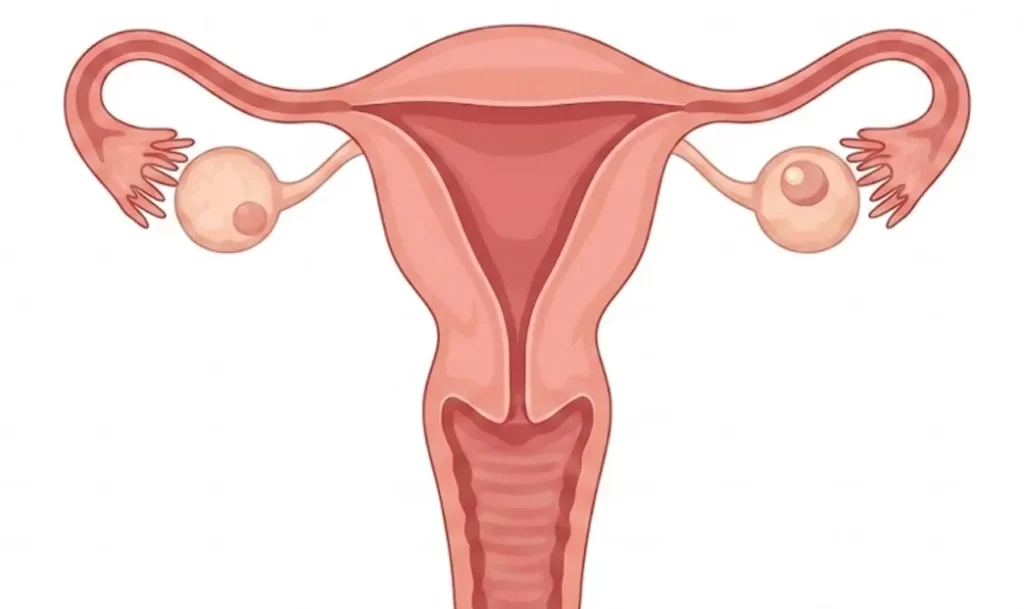
Ovulation Induction is a first-line fertility treatment that helps the ovaries develop and release mature eggs at the right time.
At Galwa Care Hospital, Jodhpur, medication, ultrasound monitoring and hormone guidance are personalised to each patient’s cycle response.
It can restore predictable ovulation, improve natural conception chances and support well-timed IUI or IVF treatment when needed.
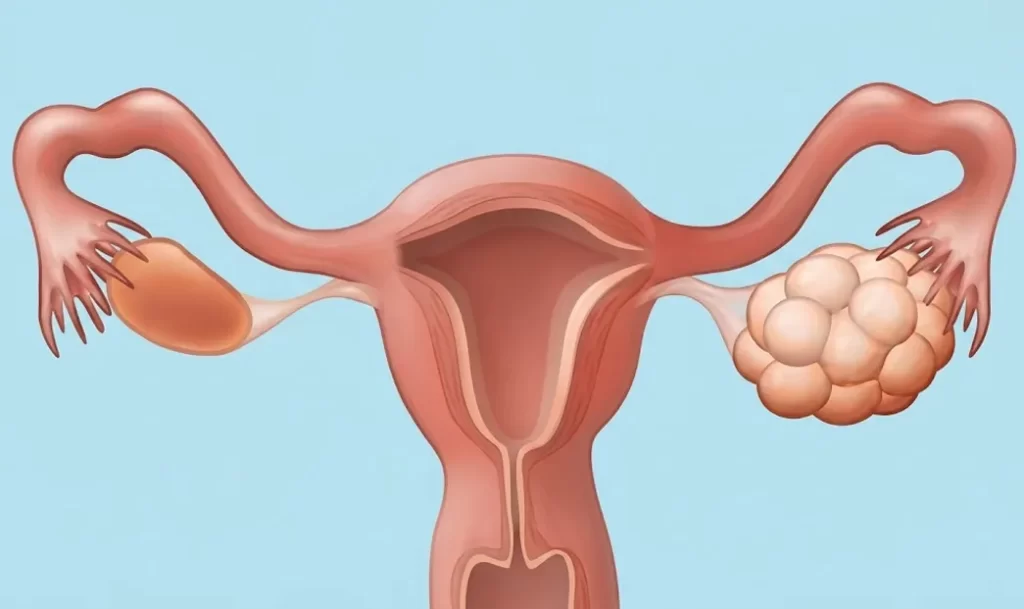
A common condition causing irregular or absent ovulation, making conception unpredictable and natural timing of intercourse unreliable without medical intervention and support.
Inconsistent ovulation timing reduces the chances of natural pregnancy due to significant difficulty in identifying and predicting the fertile window each month.
When the ovaries do not release eggs at all during a cycle, targeted medical stimulation is required to restore the ovulatory process and create a genuine opportunity for conception.
Disruptions in reproductive hormones such as FSH, LH, or prolactin can affect egg development and release, requiring targeted medical correction to restore normal ovulatory function.
Helps optimize ovulation timing and improve the conditions for conception even when no clearly identifiable cause of infertility has been found through standard investigations.
Blood tests and ultrasound are performed to assess ovarian reserve, baseline hormone levels, and overall reproductive health to design the most appropriate stimulation protocol.
Oral tablets or injectable hormonal medications are prescribed to stimulate the growth and development of one or more mature follicles within the ovary during the current cycle.
Regular transvaginal ultrasounds are performed throughout the stimulation phase to track the size and number of developing follicles and confirm an optimal response to medication.
Once follicles reach their optimal maturity (typically 18 to 20mm), a trigger injection is administered to induce the final maturation and precise timed release of the egg.
Intercourse or intrauterine insemination is carefully planned and timed according to the confirmed ovulation window to maximize the chances of successful fertilization.
Hormonal support medications may be prescribed following ovulation to support the uterine lining and improve the conditions for embryo implantation during the waiting period.
A blood-based pregnancy test is conducted 10 to 14 days after confirmed ovulation or IUI to determine whether successful conception has been achieved in the current cycle.

Helps women who do not ovulate consistently to release eggs in a predictable and controlled cycle, creating reliable conditions for natural conception each month.

By correcting ovulation timing and ensuring a mature egg is released, it increases the probability of successful fertilization through natural intercourse at the right moment.

Creates optimal conditions for assisted reproductive procedures by ensuring mature egg development and precise timing that maximizes the effectiveness of combined treatments.

Medication dosage and timing are individually tailored based on each patient's hormonal profile and ovarian response to minimize risks and optimize results.

Does not involve surgery and is primarily based on oral or injectable medications with regular ultrasound monitoring, making it well-tolerated and minimally disruptive.

Significantly more affordable than advanced treatments like IVF, making it the preferred and most accessible initial fertility option for the majority of eligible patients.

Particularly beneficial for women with PCOS, helping to regulate ovulation cycles and restore predictable fertile windows that would otherwise be absent or highly irregular.

Enables precise planning of intercourse or IUI at the most fertile window, eliminating the guesswork of natural cycle tracking and maximizing conception probability each cycle.

Typically completed within a single menstrual cycle of 2 to 3 weeks, allowing faster attempts at conception compared to more complex and time-intensive fertility treatments.

When clinically required, can encourage the development of more than one follicle, improving the chances of successful fertilization in combined IUI treatment cycles.


Eggs Successfully Frozen

Vitrification Survival Rate

Years of Experience

Support to Call

Ovulation Induction is a fertility treatment that uses carefully prescribed medications to stimulate the ovaries to produce and release one or more mature eggs during a menstrual cycle. It is primarily recommended for women with irregular or absent ovulation, most commonly due to PCOS, hormonal imbalances, or unexplained infertility. It is typically the first fertility treatment recommended before considering more advanced options like IUI or IVF.
Oral fertility medications such as clomiphene citrate or letrozole are commonly used as the first line of treatment. If the ovarian response is insufficient, injectable gonadotropins may be prescribed. The main risk to manage is ovarian hyperstimulation syndrome (OHSS), which occurs when the ovaries over-respond to stimulation. At Galwa Care Hospital, this risk is carefully minimized through individualized dosing, real-time follicular monitoring, and timely protocol adjustments throughout the cycle.
Ovulation Induction is typically completed within a single menstrual cycle of approximately 2 to 3 weeks from the start of medication to the pregnancy test. It is one of the most time-efficient first-line fertility treatments available. It is frequently combined with IUI to improve conception chances by ensuring insemination occurs at precisely the peak of ovulation, and it also forms the ovarian stimulation phase of a full IVF treatment cycle.
Yes, there is a slightly increased risk of multiple pregnancy with Ovulation Induction, particularly if more than one follicle develops and releases an egg. At Galwa Care Hospital, monitoring protocols are specifically designed to minimize this risk through careful medication dosage titration and close follicle assessment throughout each cycle. If too many follicles develop, the cycle may be adjusted or converted to avoid the risk of higher-order multiple pregnancy.
When follicle monitoring confirms that the follicles have reached their optimal maturity, typically 18 to 20mm in diameter, a trigger injection is administered to induce the final maturation and precise timed release of the egg. Intercourse or IUI is then timed accordingly within the following 36 to 40 hours. A blood-based pregnancy test is conducted 10 to 14 days after confirmed ovulation for the most accurate and reliable result.