Shopping cart

Subtotal 0

View cartCheckout

Extremity Reconstruction Jodhpur

Understanding Extremity
Reconstruction

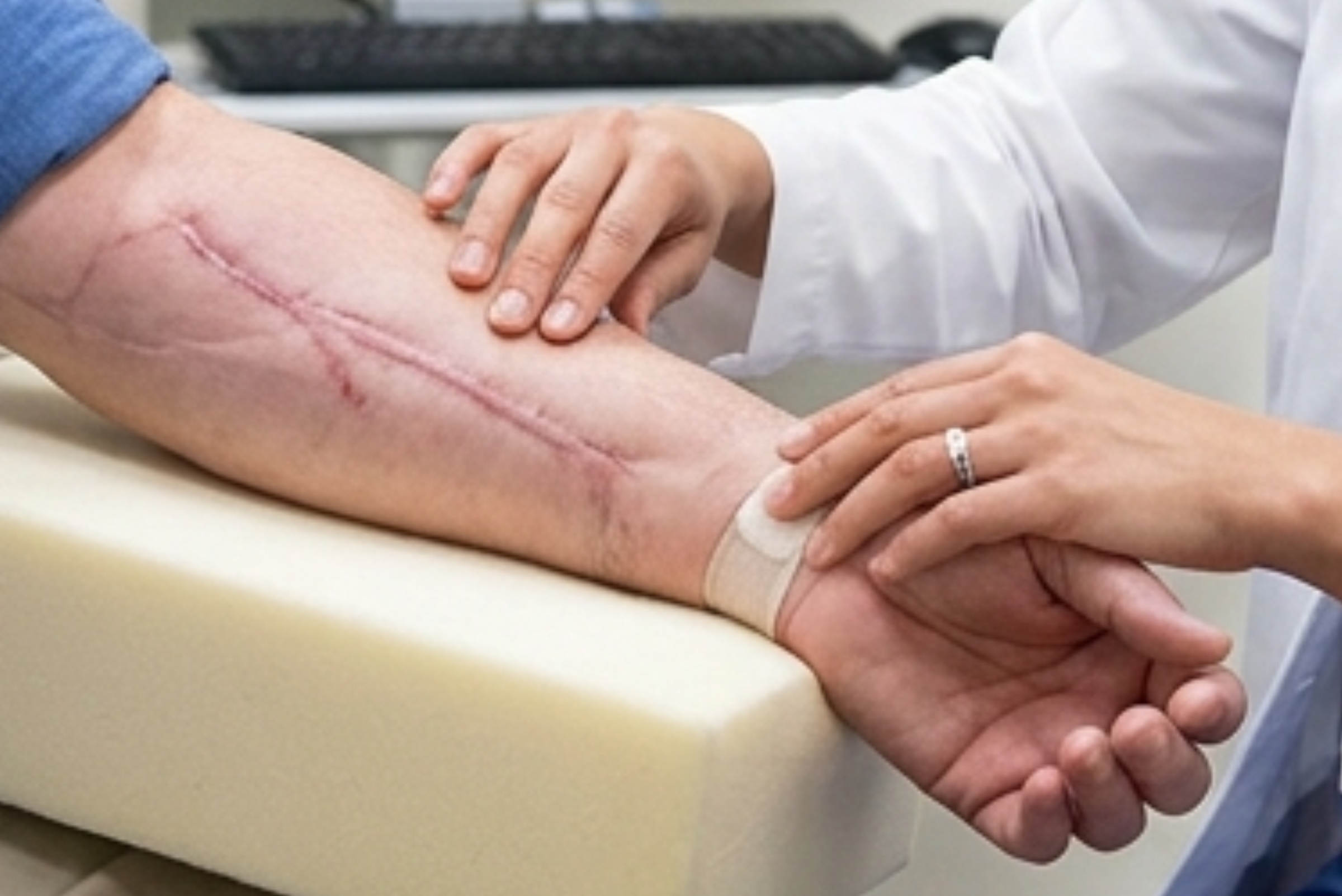
Extremity reconstruction restores coverage, stability and function after injuries, wounds, burns, cancer surgery or tissue loss in the arms or legs.

Our specialists assess bones, vessels, nerves, tendons and soft tissue needs before planning grafts, flaps or staged reconstruction.

Treatment aims to protect the limb, support movement and improve recovery with practical reconstructive solutions.

REBUILDING STRENGTH AND MOVEMENT

How we help at
Galwa Care Hospital

At Galwa Care Hospital, extremity reconstruction is a carefully coordinated process that brings together oncology, reconstructive
surgery, and rehabilitation expertise to restore the form, function, and confidence that cancer treatment has affected in the limbs.

Our surgical team begins every extremity reconstruction case with a thorough assessment of the defect, the condition of the surrounding tissue, the patient’s overall health, and the functional goals that need to be achieved. This evaluation guides the selection of the most appropriate reconstructive technique, whether that is a soft tissue flap to restore skin and muscle coverage, a bone graft to rebuild structural integrity, or a combination of approaches for more complex defects. Where radiation has affected the tissue, specialised techniques are used to bring healthy, well-supplied tissue into the area, improving the conditions for safe and durable healing. Throughout the planning process, the reconstruction team works in close coordination with the oncology team to ensure that cancer clearance and reconstruction are aligned and that no aspect of cancer treatment is compromised.

At Galwa Care Hospital, the recovery from extremity reconstruction is supported by a structured rehabilitation programme that is introduced as early in the post-operative period as safely possible. Physiotherapy is a central part of the recovery plan, helping patients rebuild strength, restore movement, and regain coordination in the reconstructed limb. Regular follow-up appointments allow the surgical team to monitor healing, assess functional progress, and make any adjustments to the rehabilitation plan as needed. Our team is committed to supporting each patient not just through the surgical phase of their recovery but through the full rehabilitation journey, ensuring that the reconstruction delivers the functional and quality-of-life improvements it was designed to achieve.

KEEP THE LIMB, RESTORE THE LIFE

Why and For Whom Is Extremity
Reconstruction Important?

Extremity reconstruction is for every patient whose cancer surgery has left their arm or leg structurally compromised,
functionally limited, or in need of tissue restoration to support a full and active recovery.

Limb-sparing cancer surgery leaving behind a soft tissue or structural defect requiring reconstruction.

Large areas of skin, muscle, or tissue removed during tumour excision needing coverage and repair.

Bone loss or instability in the arm or leg following cancer-related surgery requiring structural rebuilding.

Radiation-induced tissue damage causing poor healing, skin breakdown, or loss of tissue health.

Preserving limb function and avoiding amputation through specialised reconstructive intervention.

Reduced mobility, strength, or coordination following cancer treatment needing functional restoration.

Nerve or blood vessel involvement in the tumour area requiring specialist reconstructive techniques.

Cosmetic improvement of the limb after cancer surgery to restore natural appearance and proportion.

Sarcoma surgery involving complex removal of bone and soft tissue requiring comprehensive reconstruction.

Long-term structural support and functional rehabilitation needed after extensive cancer treatment of the limb.

Shape Image

Questions & Answers

Frequently Asked Questions.

Extremity reconstruction is a specialised surgical process that rebuilds the structure, soft tissue, and function of an arm or leg after cancer surgery has created a significant defect. In many cases, reconstruction is performed immediately after the tumour is removed in the same operative session, as this approach supports better healing, reduces the total number of procedures needed, and leads to improved functional and cosmetic outcomes. In more complex cases where staging is required, reconstruction may be planned across separate procedures.

The techniques used depend on the nature of the defect. Soft tissue defects are addressed using local or free flap reconstruction, where tissue is transferred from a nearby or distant donor site to cover and restore the affected area. Bone defects are addressed through bone grafting or the transfer of living bone with its own blood supply from another part of the body. Most patients achieve significant recovery of mobility, strength, and stability through a combination of surgical reconstruction and dedicated physiotherapy, though the extent of functional recovery depends on the original defect and the individual healing process.

Yes, reconstruction can be safely performed in areas that have been treated with radiation, though the technique may need to be adapted to account for the effects radiation has on tissue quality and healing. Bringing healthy, well-supplied tissue from outside the treated area is often used to improve healing conditions. Extremity reconstruction plays an important role in limb preservation, and in many cases allows patients to retain their limb through reconstructive intervention that restores enough structural and soft tissue integrity to avoid amputation.

Yes, physiotherapy is an essential component of extremity reconstruction recovery. Rebuilding strength, restoring range of movement, and retraining coordination in the affected limb requires a structured and progressive rehabilitation programme that begins as early as safely possible after surgery. Recovery timelines vary significantly depending on the extent of the reconstruction, typically ranging from several weeks for more straightforward cases to several months for complex reconstructions involving bone and multiple tissue types. At Galwa Care Hospital, physiotherapy is integrated into the care plan from the outset.

Scarring is an inevitable part of any reconstructive surgery, but at Galwa Care Hospital, flap planning and incision placement are carefully considered to minimise the visibility of scars as much as possible. Scars continue to mature and fade over the months following surgery, and scar management therapies may be recommended as part of the aftercare plan. Reconstruction provides long-lasting structural and functional outcomes, though occasional fine-tuning or revision may be needed over time in some cases as healing matures and functional demands evolve.

Appointment Request Form

Care Packages for Every Stage

Take the First Step Towards Better Care

Schedule your personalized consultation at Galwa Care Hospital to experience medical expertise combined with compassionate support for every patient journey
GALWA CARE