Shopping cart

Subtotal 0

View cartCheckout

Pregnancy Care Jodhpur

Your Pregnancy Journey,
Perfectly Supported at
Every Stage

Antenatal and postnatal care supports a mother from confirmed pregnancy through delivery, recovery, breastfeeding, and newborn adjustment. Regular check-ups, scans, tests, vaccinations, nutrition advice, and counselling help detect problems early and prepare the mother physically and emotionally. At Galwa Care Hospital, Jodhpur, our obstetricians, nurses, and support team provide trimester-wise monitoring and post-delivery care for healing, lactation, newborn health, and family planning. Every stage is guided with clarity, safety, and compassionate support.

Are You Facing These Issues?

Free Consultation
from our Consultants

Why Every Stage of Care Matters Deeply

The Significance of Antenatal and Postnatal Care

Consistent, quality antenatal and postnatal care is one of the most powerful investments a mother can make in her
own health and her baby's future, from the first trimester through to full postpartum recovery.

Early Detection of Pregnancy Complications

More frequent assessments and targeted investigations mean that developing complications including preeclampsia, gestational diabetes, and fetal growth restriction are identified and managed at their earliest and most treatable stage.

Monitoring Fetal Growth and Development

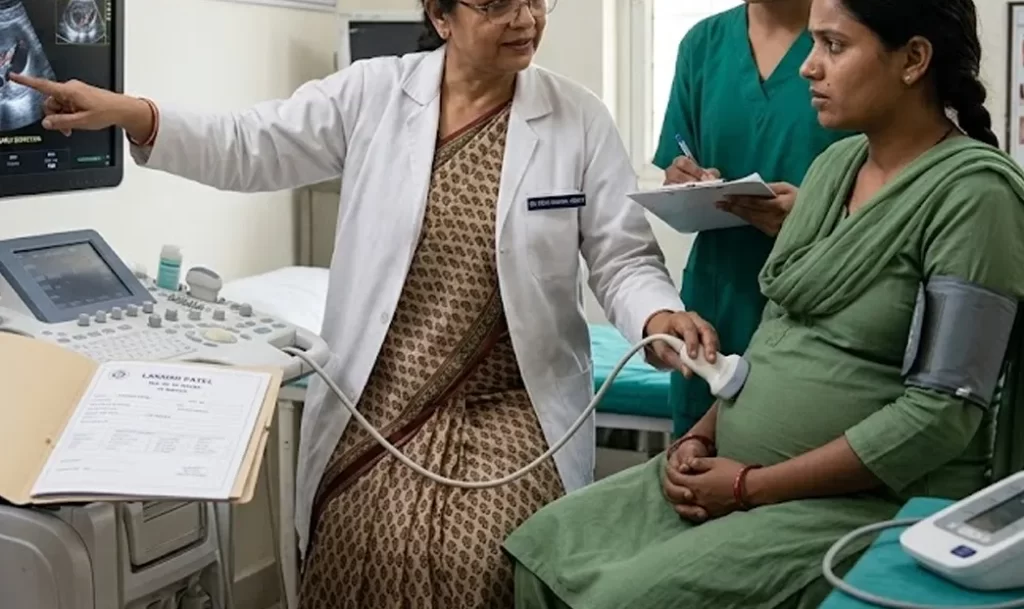
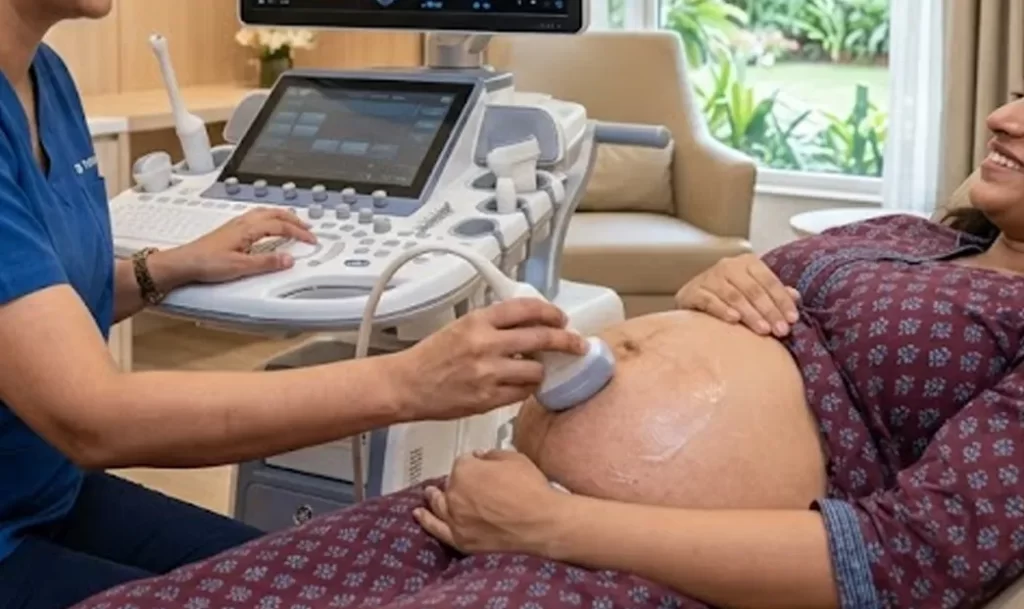
Regular ultrasound scans, Doppler studies, and biophysical profile assessments track fetal growth, organ development, fluid levels, and placental function at every trimester, confirming that the baby is thriving inside the womb throughout the entire pregnancy.

Protection Through Vaccination and Supplementation

Timely antenatal vaccinations including Tdap and influenza, alongside prescribed folic acid, iron, calcium, and vitamin D, protect both mother and baby against preventable infections and nutritional deficiencies throughout pregnancy.

Safe and Successful Breastfeeding Support

Dedicated postnatal lactation counselling and hands-on breastfeeding guidance from the first feed ensures every mother can establish successful breastfeeding, which is the single most beneficial nutritional start available for a newborn.

Postpartum Depression Screening and Support

Proactive screening for postpartum depression and anxiety with immediate access to counselling and psychological support ensures that every new mother’s emotional wellbeing receives the same expert attention as her physical recovery.

Pelvic Floor Recovery and Physical Rehabilitation

Specialist postnatal physiotherapy, targeted pelvic floor rehabilitation, and structured physical recovery guidance support every mother in restoring her core strength, pelvic health, and overall physical well-being after both vaginal and cesarean delivery.

From First Appointment to Final Check

Stages of Antenatal and Postnatal Care

Antenatal and postnatal care is structured around every milestone, supporting pregnancy health, safe delivery preparation and confident recovery after birth.

Pre-Conception Counselling

Health optimisation, folic acid, vaccination review, genetic risk discussion and medical-condition control help prepare the body for a safer pregnancy.

First Trimester Care

Pregnancy confirmation, dating scan, blood tests and early screening are completed to establish accurate timelines and identify risks from the start.

Second Trimester Care

Anomaly scan, diabetes screening, cervical length check, anaemia monitoring and fetal-movement guidance support healthy growth through the middle trimester.

Third Trimester Care

Growth scans, Doppler studies, birth planning, delivery-mode counselling and fetal wellbeing checks prepare mother and baby for a safe delivery.

Early Postnatal Care

After delivery, vital signs, uterine recovery, wounds, pain control, breastfeeding and newborn screening are monitored closely for mother-baby safety.

Six-Week Review & Support

The postnatal review checks healing, blood pressure, pelvic floor, emotional wellbeing, contraception and baby development, with ongoing feeding and recovery guidance.

For You, For Your Baby, For Life

Benefits of Comprehensive Antenatal and Postnatal Care

Expert antenatal and postnatal care at Galwa Care Hospital delivers measurable, lasting benefits for both mother and baby
that extend far beyond the delivery room into long-term maternal health and childhood development.

Reduces Maternal Mortality and Serious Complications

Timely identification and management of life-threatening conditions including severe preeclampsia, placental complications, and postpartum haemorrhage significantly reduces the risk of maternal mortality and serious maternal morbidity.

Ensures the Baby Is Growing and Thriving

Regular fetal monitoring, growth scans, and Doppler assessments confirm that the baby is developing normally at every stage, with any growth restriction or fetal compromise identified and managed promptly before it becomes critical.

Identifies Fetal Abnormalities Early

Advanced prenatal screening including NIPT and detailed anomaly scans allows for early identification of structural or chromosomal abnormalities, enabling informed decision-making and specialist preparation well before delivery.

Prevents and Manages Gestational Diabetes

Antenatal screening, dietary guidance, and blood sugar monitoring prevent gestational diabetes from escalating to uncontrolled hyperglycaemia, protecting against macrosomia, birth complications, and neonatal hypoglycaemia.

Empowers Mothers with Knowledge and Confidence

Structured health education during antenatal care empowers mothers to recognise warning signs, understand their bodies, make informed decisions, and approach labour and new motherhood with genuine confidence and preparedness.

Supports Successful Breastfeeding Establishment

Specialist lactation support from the very first feed gives every new mother the skills, confidence, and practical guidance to breastfeed successfully, providing the most nutritious and immunologically rich start for her newborn.

Enables Early Postpartum Depression Intervention

Proactive screening and psychological support allows postpartum depression and anxiety to be identified and treated early, before they significantly impact the mother's wellbeing, her relationship with her baby, or her family life.

Supports Complete Pelvic Floor Recovery

Structured pelvic floor rehabilitation and physiotherapy after delivery restores core strength, reduces the long-term risk of prolapse and incontinence, and supports a full and comfortable return to normal physical activity.

Protects Newborn Health and Development

Timely newborn screening tests, developmental assessments, and vaccination scheduling at postnatal appointments protect every baby against preventable diseases and identify any developmental concerns early for the best possible outcomes.

Provides Continuity Through Every Stage

A consistent, trusted care team that follows the mother from the first antenatal appointment through to the final postnatal review provides the relationship-based, continuous care that both mother and baby deserve throughout this life-changing journey.

Small Steps, Lifelong Impact on Health

Antenatal and Postnatal Care — Do's and Don'ts

Following these evidence-based recommendations before, during, and after your pregnancy will give you and your baby the
safest, healthiest, and most supported journey from conception through to full postnatal recovery.

DO'S — What You Should Do

Book your first antenatal appointment as soon as your pregnancy is confirmed, ideally within 8 to 10 weeks.

Attend every scheduled antenatal appointment even when you feel completely well and symptom-free.

Take all prescribed supplements including folic acid, iron, calcium, and vitamin D consistently throughout.

Eat a balanced, nutrient-rich diet with adequate protein, complex carbohydrates, and fresh vegetables daily.

Stay well-hydrated by aiming for 8 to 10 glasses of water every day throughout pregnancy and recovery.

Monitor fetal movements daily from 28 weeks and report any reduction to your doctor immediately.

Attend your 6-week postnatal check without fail, even if you feel physically well after delivery.

Begin gentle pelvic floor exercises as soon as cleared by your doctor after delivery.

Speak openly with your care team about any emotional difficulties, anxiety, or low mood after birth.

Ensure your baby receives all scheduled newborn screenings and vaccinations on time.

DONT'S — What You Should Avoid

Avoid alcohol, smoking, and recreational substances throughout pregnancy and breastfeeding entirely.

Do not skip antenatal appointments as complications can develop silently without any symptoms.

Avoid raw or undercooked foods, unpasteurised dairy, and high-mercury fish to protect fetal health.

Do not ignore warning signs such as reduced fetal movement, heavy bleeding, or severe headache.

Avoid heavy lifting and strenuous activity during the recommended healing period after delivery.

Do not self-medicate or adjust prescribed supplements or medications without specialist guidance.

Avoid dismissing persistent sadness, anxiety, or disconnection from your baby as normal adjustment.

Do not resume sexual activity before your doctor has confirmed it is safe at the postnatal check.

Avoid excessive stress and seek proactive support for mental health concerns throughout pregnancy.

Do not miss your baby's scheduled immunisation appointments as vaccination timing is clinically important.

With You From the First to the Last

A Care Team That
Stays With You
Through Every Stage

Experienced obstetricians and gynaecologists with decades of combined antenatal and postnatal expertise

Personalized antenatal care plans tailored to each patient's health profile, risk factors, and preferences

Advanced diagnostic facilities including 3D/4D ultrasound, fetal Doppler, NIPT, and full antenatal blood panels

Dedicated postnatal ward with round-the-clock nursing, lactation support, and neonatal monitoring

Certified lactation consultants providing hands-on breastfeeding support from the very first feed

Proactive postpartum mental health screening with immediate access to counselling and psychological support

Specialist women's health physiotherapy for pelvic floor rehabilitation and postnatal physical recovery

2000+

Eggs Successfully Frozen

98%

Vitrification Survival Rate

15+

Years of Experience

24/7

Support to Call

Complete Maternal Care, Transparent Pricing

How Much Does Antenatal and Postnatal Care Cost?

The cost of antenatal and postnatal care at Galwa Care Hospital depends on the number and type of consultations required, the specific investigations and scans needed at each stage, whether high-risk specialist involvement is required, and the level of postnatal support selected. All pricing is communicated clearly and transparently upfront with no hidden charges.

Easy EMI Facility Available

Antenatal consultation schedule

Ultrasound scans and NIPT screening

Blood tests and investigations

Vaccinations during pregnancy

Postnatal ward stay and nursing care

Lactation counselling and support

Six-week postnatal review and follow-up

Easy EMI Facility Available

Shape Image

Antenatal and Postnatal Questions, Answered

Frequently Asked Questions.

Your first antenatal appointment should ideally be booked as soon as your pregnancy is confirmed, preferably within the first 8 to 10 weeks. Early booking allows for timely first trimester screening, nutritional guidance, and risk factor assessment from the very start. Your first appointment at Galwa Care Hospital includes pregnancy confirmation, detailed medical and obstetric history, blood pressure and weight measurement, urine testing, a full blood panel, a dating ultrasound, folic acid and supplement prescription, and a thorough discussion of your lifestyle, diet, and any existing health conditions that may need specialist management during pregnancy.

For a low-risk pregnancy, a minimum of 8 to 10 antenatal visits is recommended, typically more frequent in the first trimester and third trimester, with high-risk pregnancies requiring additional appointments based on specific conditions. The detailed anomaly ultrasound scan is ideally performed between 18 and 22 weeks of pregnancy, when all major fetal organ systems are sufficiently developed to be clearly visualised and assessed for structural abnormalities. Your obstetrician at Galwa Care Hospital will design a personalised monitoring schedule tailored to your individual health profile and risk factors from your very first appointment.

The six-week postnatal check is a comprehensive review of the mother's physical recovery including wound healing, blood pressure, uterine involution, pelvic floor function, and emotional wellbeing, as well as the baby's growth, feeding, and developmental milestones. It is a critical appointment that should never be missed because many postnatal complications including hypertension, anaemia, wound issues, and early postpartum depression may not produce obvious symptoms until they are clinically assessed. At Galwa Care Hospital, your six-week check also includes contraception counselling, breastfeeding review, and a full discussion of your transition into longer-term maternal wellbeing.

Postpartum depression involves persistent feelings of sadness, emptiness, anxiety, loss of interest in daily life, difficulty bonding with the baby, exhaustion beyond normal tiredness, and in severe cases thoughts of self-harm. It is more common than many women realise and affects a significant proportion of new mothers. At Galwa Care Hospital, every postnatal patient is proactively screened for postpartum depression and anxiety. Treatment includes psychological counselling, structured peer support, and where clinically indicated, medication, all available through our dedicated mental health support programme because a mother's emotional health after birth matters just as much as her physical recovery.

Yes. At Galwa Care Hospital, we warmly welcome the presence of a partner or chosen family member at antenatal consultations and ultrasound appointments, because a supported mother is a healthier mother and sharing these precious milestones enriches the entire family's experience. Key vaccinations recommended during pregnancy include the Tdap vaccine, protecting against tetanus, diphtheria, and whooping cough, ideally administered between 27 and 36 weeks, and the influenza vaccine. Your obstetrician at Galwa Care Hospital will review your complete vaccination history and provide personalised guidance on all recommended immunisations at the appropriate stage of your pregnancy.

Appointment Request Form

Care Packages for Every Stage

Take the First Step Towards Better Care

Schedule your personalized consultation at Galwa Care Hospital to experience medical expertise combined with compassionate support for every patient journey
GALWA CARE