Advanced IVF, IUI & ICSI treatments with highest success rates — compassionate care for every step of your fertility journey.
State-of-the-art IVF lab, experienced embryologists and personalised protocols for the best possible outcomes.
Comprehensive care across pregnancy, fertility and advanced gynaecology — delivered with privacy, safety and compassion.
15+ years of expertise, advanced labs and personalised treatment plans.
Advanced facial & body cosmetic procedures by expert surgeons — natural results, minimal downtime, maximum confidence.
Board-certified surgeons delivering natural, beautiful results with the latest techniques.
Expert reconstructive & plastic surgery for hand, birth deformities, cancer reconstruction and trauma — restoring form and function with precision.
Advanced body contouring, breast surgeries & intimate procedures by expert surgeons — natural results, renewed confidence.
Advanced laser skin treatments, intimate wellness procedures & expert hair restoration — all under one roof.
State-of-the-art laser tech & hair restoration by certified specialists.
Comprehensive fertility, hormonal & genetic diagnostics for females and males — accurate, fast and confidential.
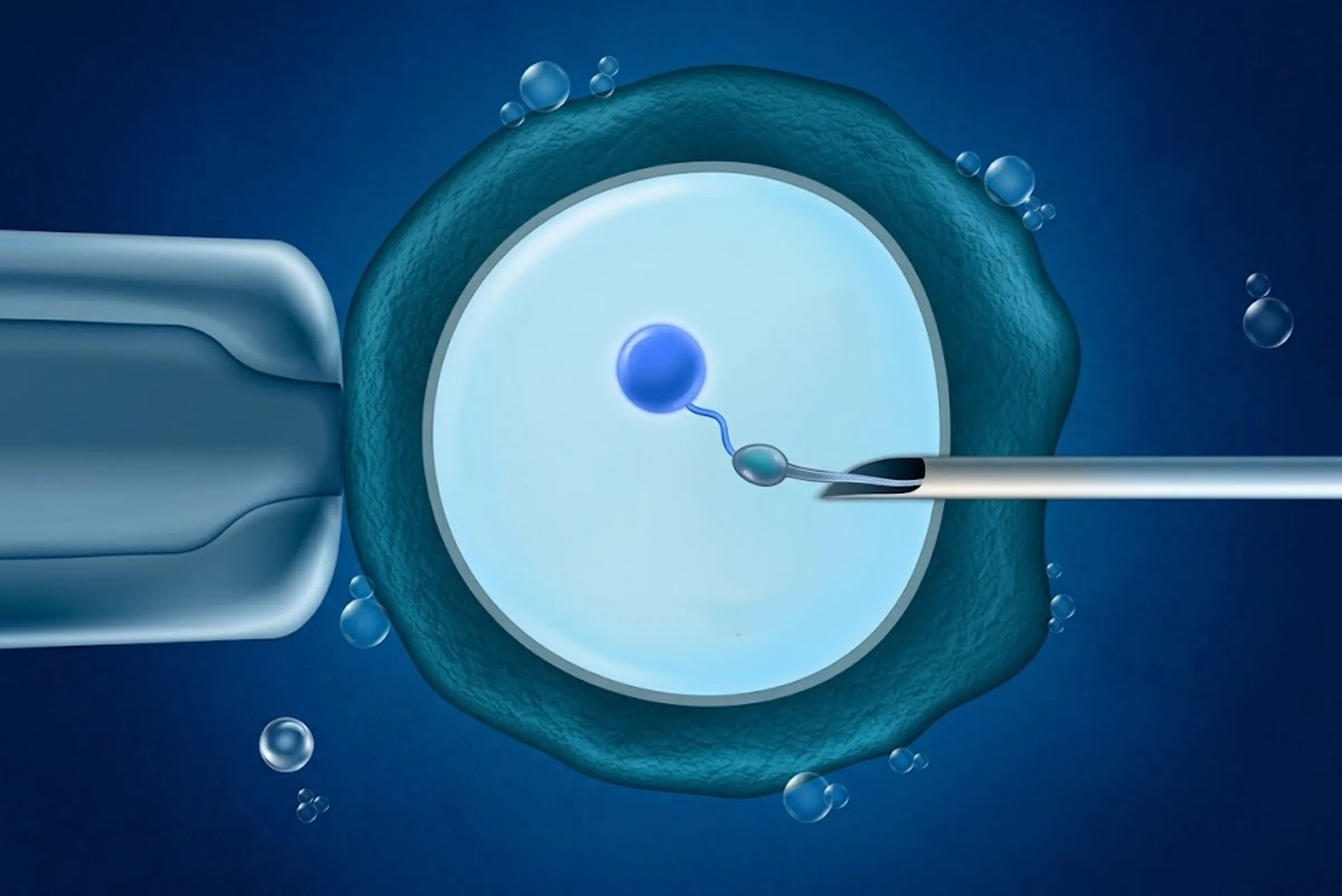
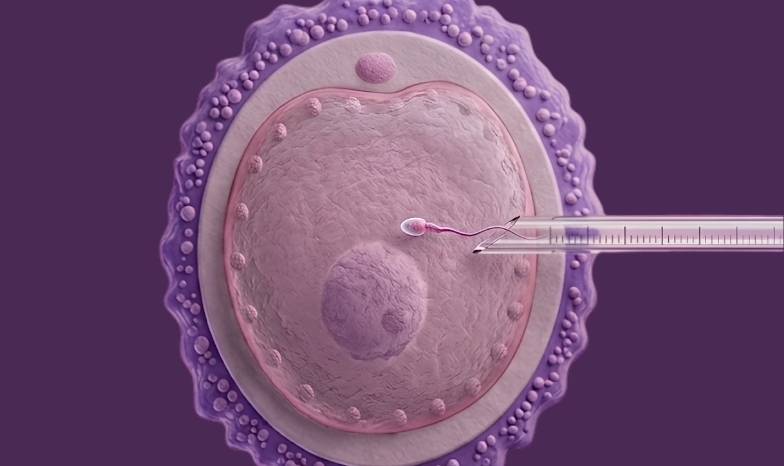
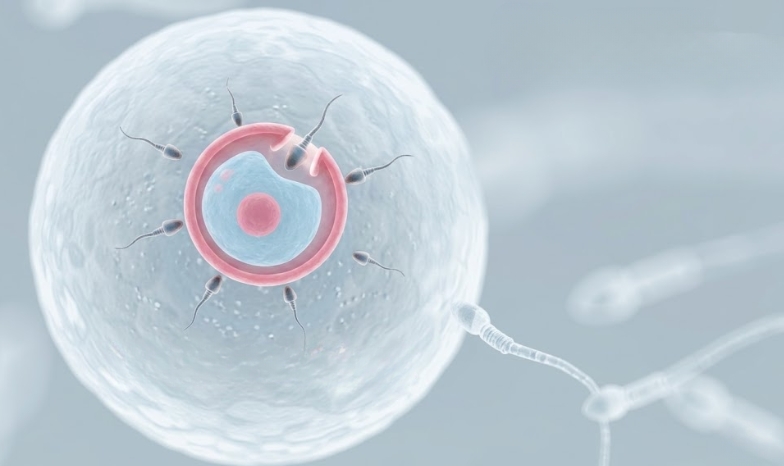
ICSI is an advanced IVF technique where one carefully selected sperm is injected directly into a mature egg to support fertilisation.
At Galwa Care Hospital, Jodhpur, ICSI is performed by experienced embryologists for male factor infertility, low sperm count or previous fertilisation failure.
It improves control over fertilisation and can make biological parenthood possible even in complex sperm-related cases.
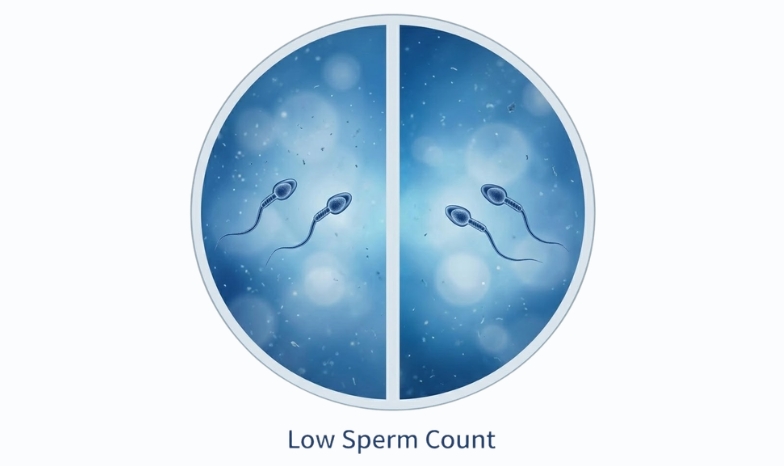
When the sperm count is critically low (fewer than 5 million sperm per milliliter), conventional IVF may not produce adequate fertilization. ICSI requires only a single viable sperm per egg, making it the ideal solution.
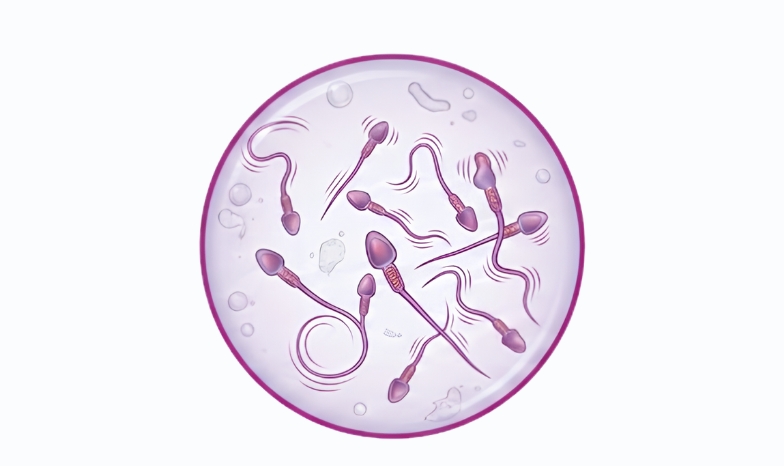
Sperm that cannot swim properly cannot reach or penetrate the egg naturally. ICSI eliminates the need for sperm to travel at all, as the embryologist delivers the sperm directly inside the egg under high-powered microscopy.
When the majority of sperm have abnormal shape affecting their ability to fertilize an egg, the embryologist can handpick the best-formed, most viable sperm and inject it directly, bypassing all morphology-related barriers.
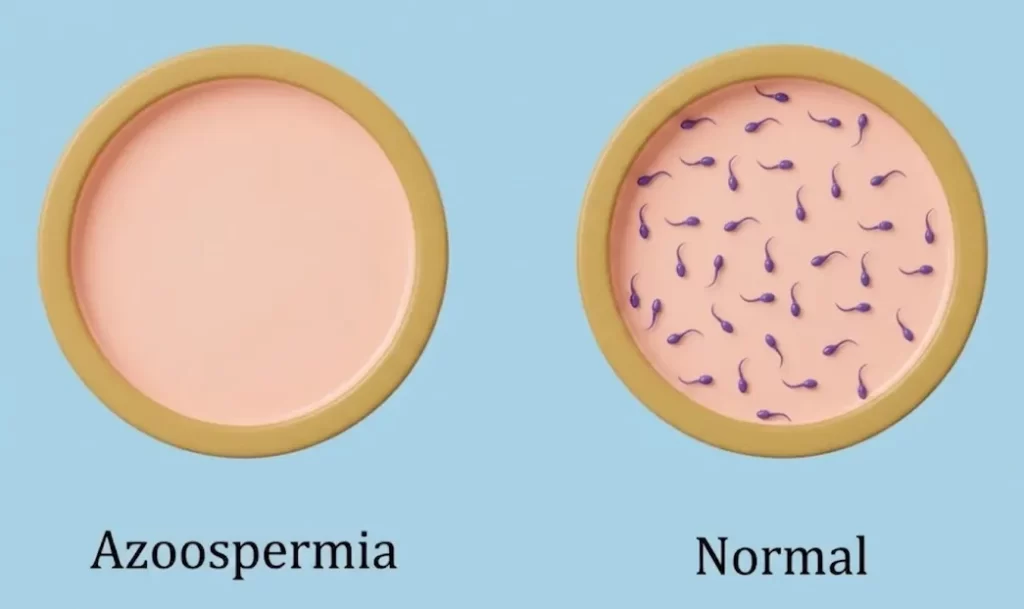
Men with zero sperm in the semen due to obstructive or non-obstructive azoospermia can still father biological children. Sperm is surgically retrieved directly from the testis (TESA/micro-TESE) and used in ICSI.
Couples who experienced little or no fertilization in a previous conventional IVF cycle are strong candidates for ICSI, as it removes the uncertainty of natural sperm-egg interaction and ensures fully controlled fertilization.
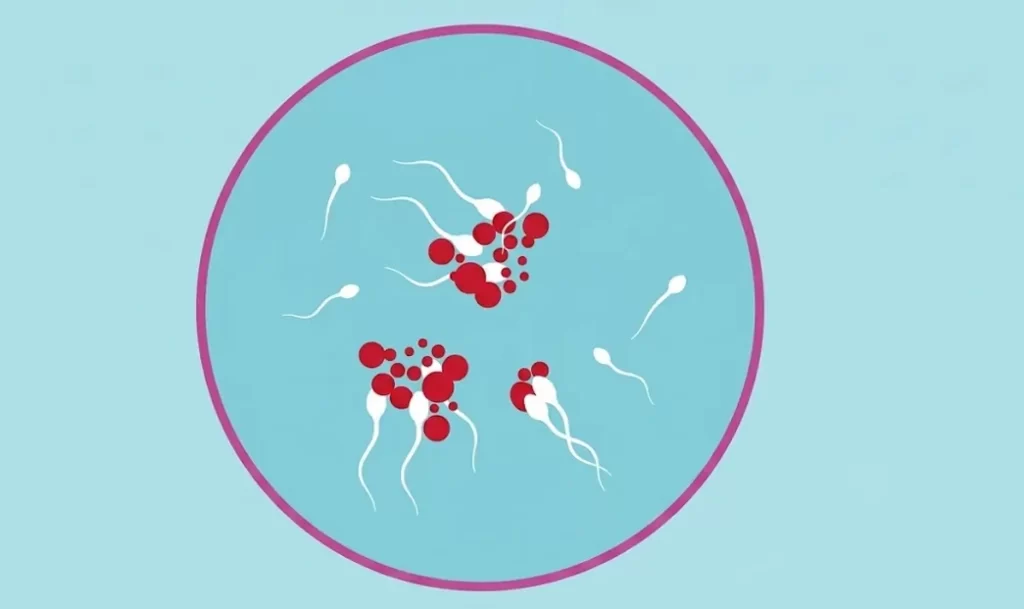
In some men, the immune system produces antibodies that coat and immobilize sperm, preventing fertilization. ICSI bypasses this immune barrier by injecting the sperm directly past the egg’s outer protective layer.
Medical history, fertility status and goals are reviewed so the safest, most suitable treatment plan can be personalised.
Hormonal medicines are given with regular monitoring to support controlled follicle or egg development.
A trigger injection is timed precisely to complete final egg maturation before retrieval.
Eggs are collected under ultrasound guidance with sedation and immediate laboratory handover.
The sample is collected privately under clear instructions and sent quickly for accurate laboratory processing.
Required preparation, screening and safety checks are completed before sample collection or procedure planning.
Selected sperm is injected into mature eggs under high-precision laboratory conditions to support fertilisation.
The selected embryo is placed gently into the uterus with careful timing and ultrasound-guided precision.
Medication support continues after treatment, followed by a beta-hCG pregnancy test at the advised time.

ICSI makes biological fatherhood possible even in cases of very low sperm count, poor motility, or abnormal morphology where natural conception or conventional IVF is not possible.

Even when very few sperm are available, ICSI can achieve fertilization using a single carefully selected sperm per mature egg, maximizing the use of every available viable sperm.

For men with azoospermia, sperm retrieved from the testis or epididymis can be used directly in ICSI to achieve fertilization and pregnancy that would otherwise be impossible.

Unlike conventional IVF where fertilization is not guaranteed, ICSI directly delivers the sperm into the egg, significantly improving fertilization predictability and cycle outcomes.

ICSI fertilization rates typically range from 60% to 80% per injected egg, representing a consistently high and clinically reliable benchmark for fertilization across treatment cycles.

ICSI is the preferred fertilization method when Preimplantation Genetic Testing is planned, ensuring a clean embryo biopsy without any risk of residual sperm contamination.

ICSI works equally well with previously frozen sperm including those banked before cancer treatment or stored from a prior surgical retrieval procedure.

ICSI supports treatment across low count, poor motility, abnormal morphology, azoospermia, failed fertilization and complex male-factor infertility cases.

Three decades of research confirm that children born through ICSI have fully comparable health outcomes to naturally conceived children with no increased long-term risks.

At Galwa Care Hospital, ICSI is delivered as part of a fully integrated IVF cycle with individualized protocols, complete clinical support, and dedicated counselling throughout.


Eggs Successfully Frozen

Vitrification Survival Rate

Years of Experience

Support to Call

In conventional IVF, thousands of sperm are placed near the egg and fertilization happens naturally in the dish. In ICSI, a single carefully selected sperm is directly injected into the egg by an embryologist, making it far more precise and effective for male infertility cases. ICSI is specifically recommended when there is a significant male infertility factor, prior fertilization failure in a conventional IVF cycle, surgically retrieved sperm being used, or when Preimplantation Genetic Testing is planned as part of the treatment.
Yes. With surgical sperm retrieval techniques such as TESA or Micro-TESE, sperm can be extracted directly from the testicle in most azoospermic men and used successfully in ICSI to achieve fertilization and pregnancy. Extensive research spanning three decades confirms that children born through ICSI have fully comparable developmental, cognitive, and physical health outcomes to naturally conceived children, with no increased long-term health risks from the procedure itself.
ICSI fertilization rates typically range from 60% to 80% per injected egg. Overall pregnancy success rates per transfer depend on factors including the woman's age, embryo quality, and uterine health, typically ranging from 40% to 60% per cycle in good-prognosis patients. Many couples achieve success in 1 to 3 ICSI cycles. The number needed depends on the woman's age, embryo quality, the severity of male infertility, and the uterine environment. Your specialist will review each cycle and refine the protocol accordingly.
The main risks include Ovarian Hyperstimulation Syndrome (OHSS) from stimulation medications, a small risk of egg damage during microinjection (5 to 10% of eggs), failed fertilization despite precise injection, and multiple pregnancy if more than one embryo is transferred. At Galwa Care Hospital, these risks are significantly minimized through individualized stimulation dosing, strict cycle monitoring protocols, experienced embryology, and a strong preference for single embryo transfer in appropriate cases to reduce multiple pregnancy risk.
Yes. All surplus good-quality embryos produced during an ICSI cycle can be vitrified (flash-frozen) and stored securely at Galwa Care Hospital for future frozen embryo transfer (FET) cycles. This significantly improves the overall cost-efficiency and cumulative success of the treatment by giving couples additional transfer opportunities from a single stimulation cycle without the need to repeat the entire process from the beginning.