Advanced IVF, IUI & ICSI treatments with highest success rates — compassionate care for every step of your fertility journey.
State-of-the-art IVF lab, experienced embryologists and personalised protocols for the best possible outcomes.
Comprehensive care across pregnancy, fertility and advanced gynaecology — delivered with privacy, safety and compassion.
15+ years of expertise, advanced labs and personalised treatment plans.
Advanced facial & body cosmetic procedures by expert surgeons — natural results, minimal downtime, maximum confidence.
Board-certified surgeons delivering natural, beautiful results with the latest techniques.
Expert reconstructive & plastic surgery for hand, birth deformities, cancer reconstruction and trauma — restoring form and function with precision.
Advanced body contouring, breast surgeries & intimate procedures by expert surgeons — natural results, renewed confidence.
Advanced laser skin treatments, intimate wellness procedures & expert hair restoration — all under one roof.
State-of-the-art laser tech & hair restoration by certified specialists.
Comprehensive fertility, hormonal & genetic diagnostics for females and males — accurate, fast and confidential.
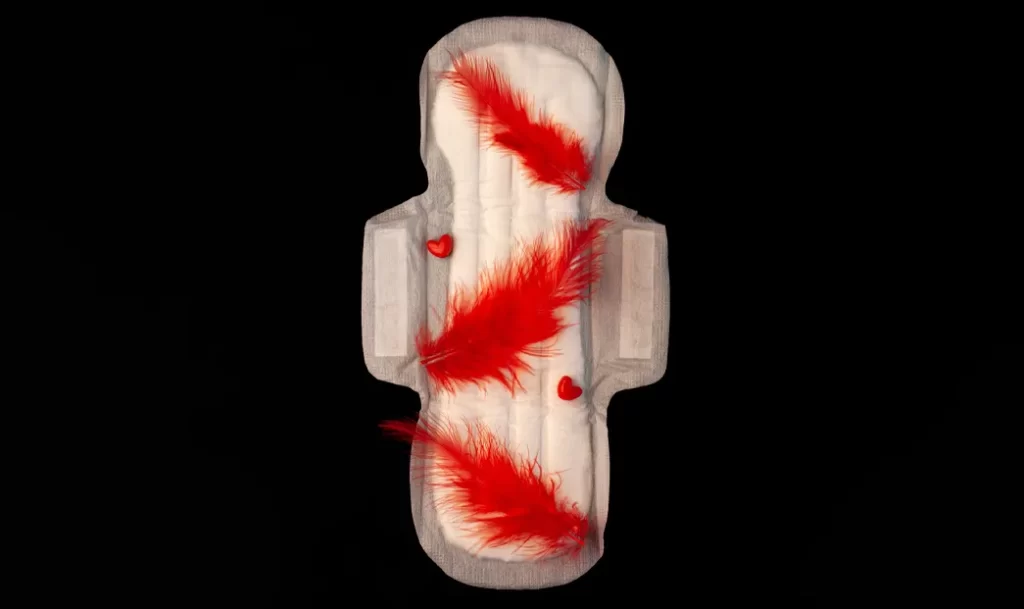
A hallmark symptom of uterine fibroids, with heavy, prolonged, and often clot-filled periods that significantly impact daily functioning and frequently cause iron-deficiency anaemia, fatigue, and breathlessness over time.
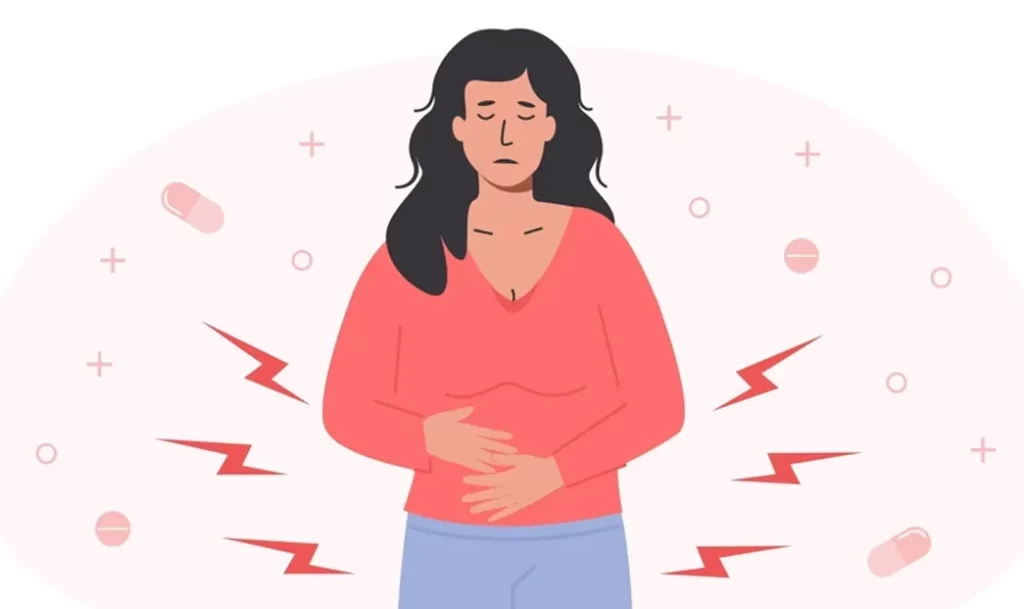
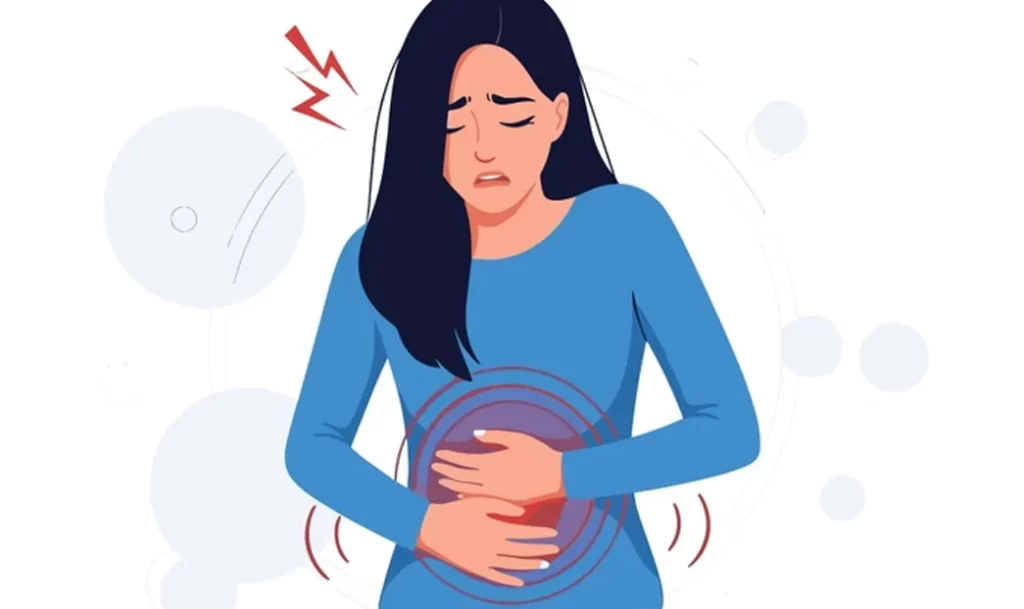
Debilitating menstrual cramps that worsen progressively over time are the defining symptom of endometriosis. Chronic pelvic pain that persists beyond menstruation and occurs throughout the month is a key diagnostic indicator.
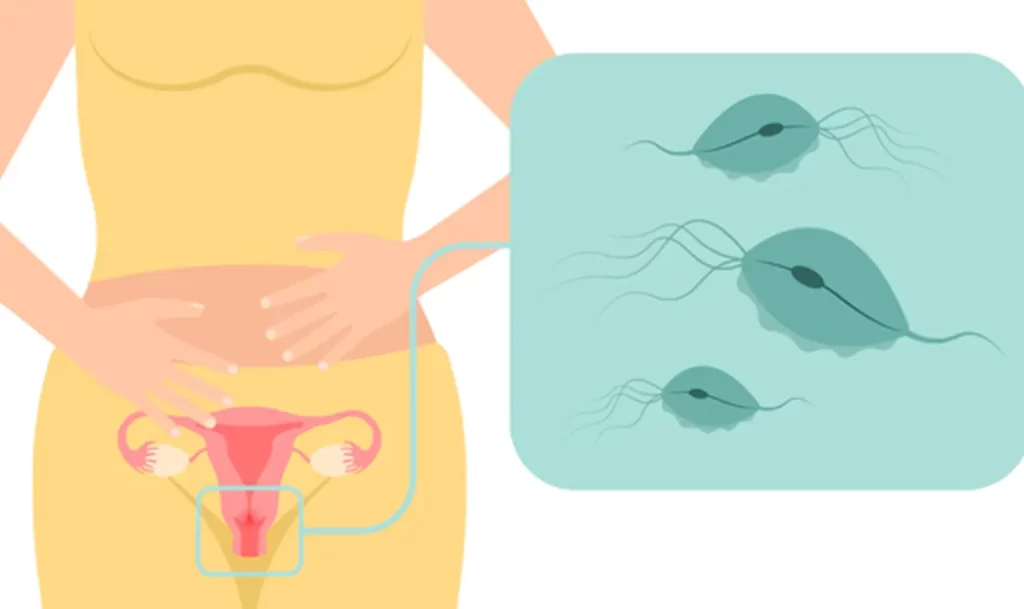
Deeply painful sexual intercourse, particularly with deep penetration, is a hallmark symptom of endometriosis. Fibroids located near the cervix or lower uterine segment also commonly cause painful intercourse.
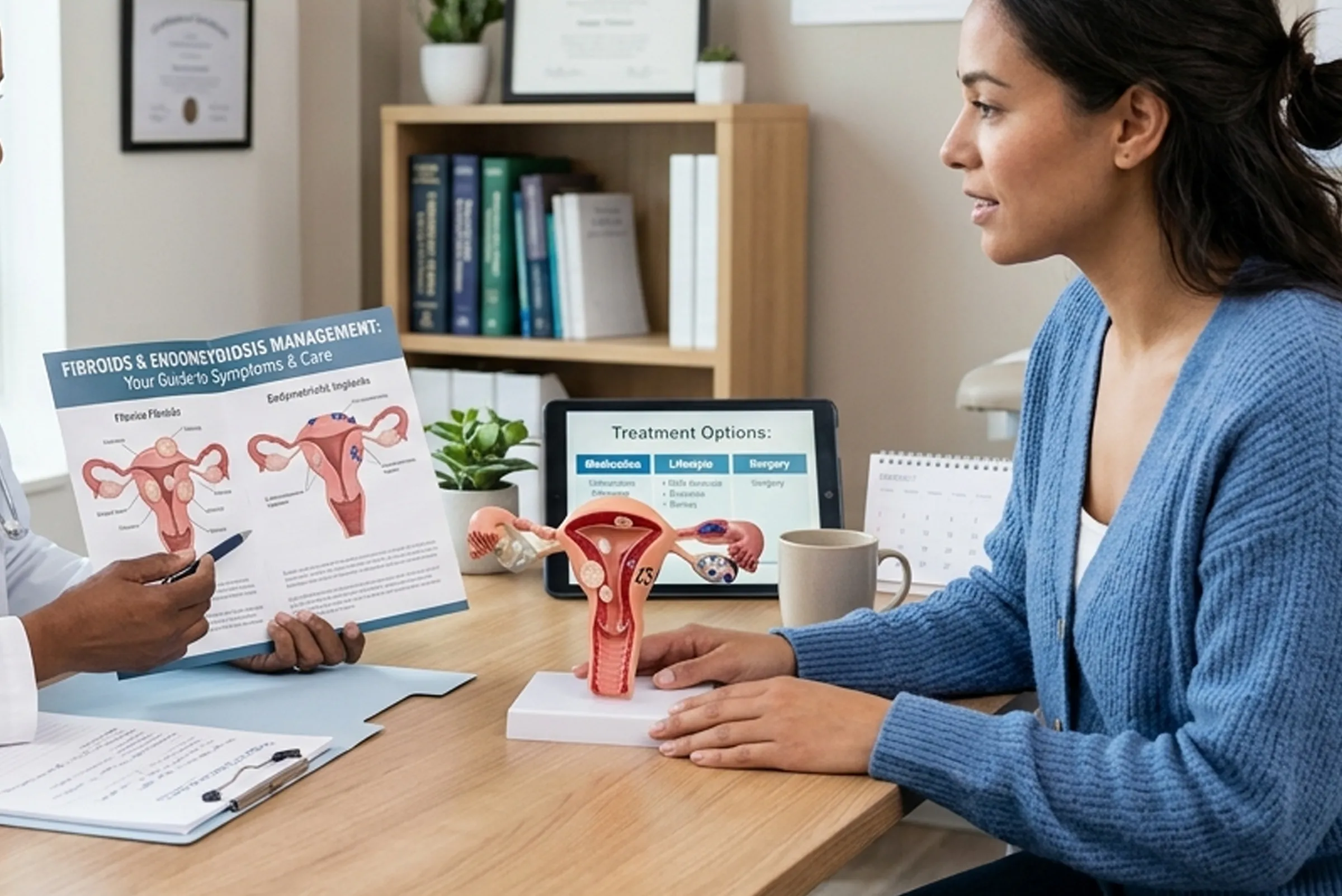
Large fibroids cause persistent pelvic pressure, bloating, frequent urination, difficulty emptying the bladder, constipation, lower back pain, and in severe cases visible abdominal enlargement due to uterine size.
Fibroids that distort the uterine cavity or block the fallopian tubes impair fertility. Endometriosis is one of the leading causes of female infertility through adhesions, tube damage, and compromised ovarian reserve.
Chronic anaemia from fibroid-related blood loss causes profound fatigue. Endometriosis causes disproportionate exhaustion, bloating, digestive disturbances, and significant emotional distress including anxiety and depression.
Under general anaesthesia, the patient is positioned safely and the abdomen is gently inflated to create clear working space for laparoscopic surgery.
Small 5–10 mm incisions allow a high-definition laparoscope and fine instruments to enter, giving magnified views of the uterus, ovaries and pelvis.
The surgeon maps fibroid size, location, endometriosis deposits, adhesions or cysts before deciding the safest and most effective treatment steps.
Fibroids are carefully separated from the uterine wall and the uterus is repaired in layers, supporting strength and fertility goals where relevant.
Endometriosis deposits, adhesions and endometriomas are excised or treated precisely to reduce pain, improve anatomy and support reproductive outcomes.
The pelvis is irrigated and checked for bleeding or residual tissue, helping reduce irritation, infection risk and adhesion formation after surgery.
Ports are removed, small incisions closed and recovery monitored. Most patients return to light activities sooner than with open surgery.

Targeted medical or surgical treatment of fibroids significantly reduces or eliminates heavy menstrual bleeding, reversing anaemia, restoring energy levels, and returning normal menstrual function.

Laparoscopic excision of endometriosis provides superior long-term pain relief compared to any other treatment approach, with most women experiencing significant reduction in chronic pelvic pain and menstrual cramp severity.

Laparoscopic myomectomy preserves the uterus and restores the uterine cavity. Laparoscopic endometriosis excision removes adhesions and restores normal tubo-ovarian anatomy, significantly improving both natural conception rates and IVF outcomes.

Laparoscopic surgery delivers the same powerful outcomes as open surgery through tiny incisions, with significantly less pain, lower complications, shorter hospital stay, and recovery of 1 to 2 weeks rather than 6 to 8 weeks.

Diagnostic laparoscopy identifies both conditions definitively while simultaneously allowing the surgeon to treat them in the same sitting, eliminating the need for separate diagnostic and operative procedures.

Early specialist management prevents the progressive worsening of both conditions, reducing the risk of severe adhesions, advanced endometriosis, significant anaemia, pelvic organ involvement, and irreversible fertility damage.

Every treatment plan at Galwa Care Hospital is individually designed around the patient's symptom profile, fertility goals, fibroid characteristics, and endometriosis staging, ensuring the most appropriate and effective approach.

For women not yet requiring surgery, effective hormonal therapies control symptoms, reduce fibroid size, suppress endometriosis activity, and protect fertility while deferring or avoiding surgical intervention altogether.

Effective treatment of painful intercourse, pelvic pain, and urinary symptoms meaningfully improves intimate wellness, relationship quality, and the personal confidence that these conditions progressively erode.

Structured post-treatment monitoring including hormonal suppression after endometriosis surgery significantly reduces recurrence risk and ensures sustained quality of life improvements over the long term.


Eggs Successfully Frozen

Vitrification Survival Rate

Years of Experience

Support to Call

Yes, both conditions can significantly impact fertility. Fibroids that distort the uterine cavity or block the fallopian tubes directly impair implantation and sperm transport. Endometriosis is one of the leading causes of female infertility through pelvic adhesions, tube damage, and compromised ovarian reserve. Laparoscopic myomectomy for fibroids and laparoscopic excision surgery for endometriosis both significantly improve natural conception rates and IVF outcomes by restoring normal pelvic and uterine anatomy. Fertility consultation at Galwa Care Hospital following surgical treatment provides the most structured and effective pathway to achieving pregnancy.
Yes. Laparoscopic surgery is the gold standard minimally invasive approach for both conditions, offering significantly less pain, lower risk of complications, shorter hospital stay, and faster recovery compared to traditional open surgery. Most women return to light daily activities within 1 to 2 weeks and resume full normal activity within 3 to 4 weeks following laparoscopic surgery. Post-operative discomfort is well managed with oral medications and the small incisions heal quickly with minimal visible scarring. Your surgeon at Galwa Care Hospital will provide a detailed, personalised recovery plan based on the specific procedure performed.
Endometriosis has no definitive cure, but it can be effectively managed through laparoscopic excision surgery and hormonal therapy, significantly reducing pain, improving quality of life, and protecting fertility in most women. Endometriosis can recur after surgery, particularly without post-operative hormonal suppression. Your specialist will recommend an appropriate hormonal management plan including combined oral contraceptives, progestins, or GnRH agonists to minimize the risk of recurrence and provide sustained symptom control following surgical treatment at Galwa Care Hospital.
No. Small or asymptomatic fibroids are often effectively managed with medical therapy including hormonal treatments and regular monitoring without any surgical intervention. Surgery is recommended when fibroids cause significant symptoms such as heavy bleeding, pelvic pain, or fertility impairment, or when they fail to respond adequately to medical treatment. Malignant transformation of uterine fibroids into cancer is extremely rare, occurring in less than 1% of cases. However, any rapidly growing or newly symptomatic fibroid should always be evaluated promptly by a specialist to exclude the rare possibility of malignancy.
The two conditions produce overlapping symptoms and some women have both simultaneously, making accurate diagnosis essential before any treatment is planned. A Pap smear, ultrasound, and MRI can identify fibroids clearly, but endometriosis can only be definitively diagnosed through diagnostic laparoscopy, which is the gold standard investigation. At Galwa Care Hospital, our specialists conduct a comprehensive diagnostic workup including detailed clinical history, pelvic examination, transvaginal ultrasound, and where indicated MRI and diagnostic laparoscopy, to provide every patient with an accurate, complete, and definitive diagnosis before any treatment decision is made.