Shopping cart

Subtotal 0

View cartCheckout

Normal Vaginal Delivery (NVD) Jodhpur

The Most Natural Way to
Welcome Your Baby

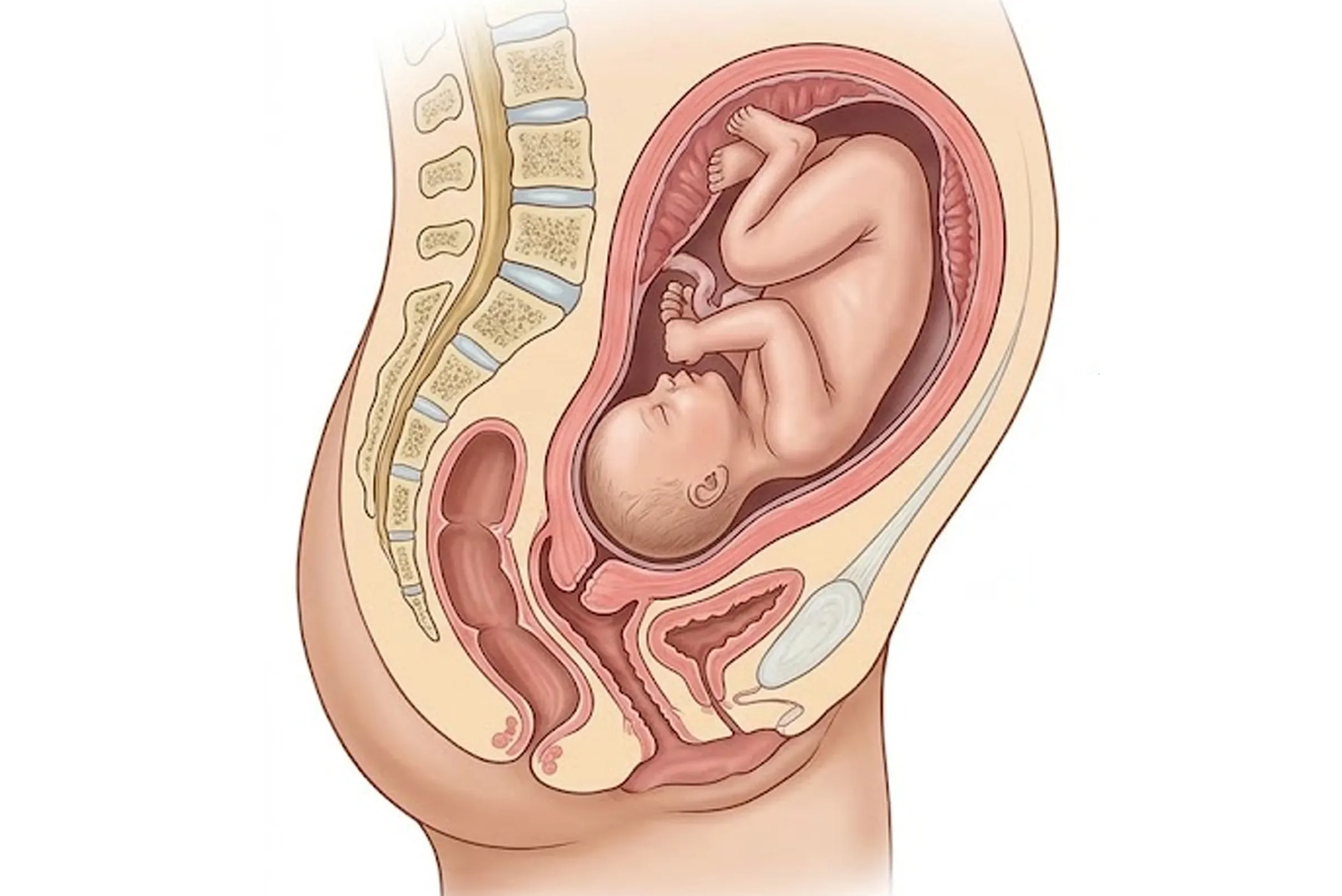
Normal vaginal delivery is the safest and most natural birth option when both mother and baby are clinically ready. It supports faster recovery, lower surgical risk, early bonding, and a smoother breastfeeding start when labour progresses safely. At Galwa Care Hospital, Jodhpur, our obstetricians, labour nurses, and newborn team provide continuous monitoring, calm guidance, pain-management support, and emergency readiness. Every birth plan is respected while clinical safety remains the priority, helping mothers welcome their baby with confidence, dignity, and personalised care.

Are You Facing These Issues?

Free Consultation
from our Consultants

When Natural Birth Is the Right Choice

When Is Normal Vaginal Delivery Recommended?

Normal vaginal delivery is the preferred and recommended mode of delivery in the majority of healthy pregnancies.Your obstetrician
at Galwa Care Hospital will assess your pregnancy comprehensively to confirm suitability throughout your antenatal care.

Singleton Pregnancy at Full Term

When a mother is carrying a single baby and the pregnancy has reached full term between 37 and 42 weeks with no complicating factors, normal vaginal delivery is the first-choice recommendation for a safe and healthy birth outcome.

Baby in Cephalic Presentation

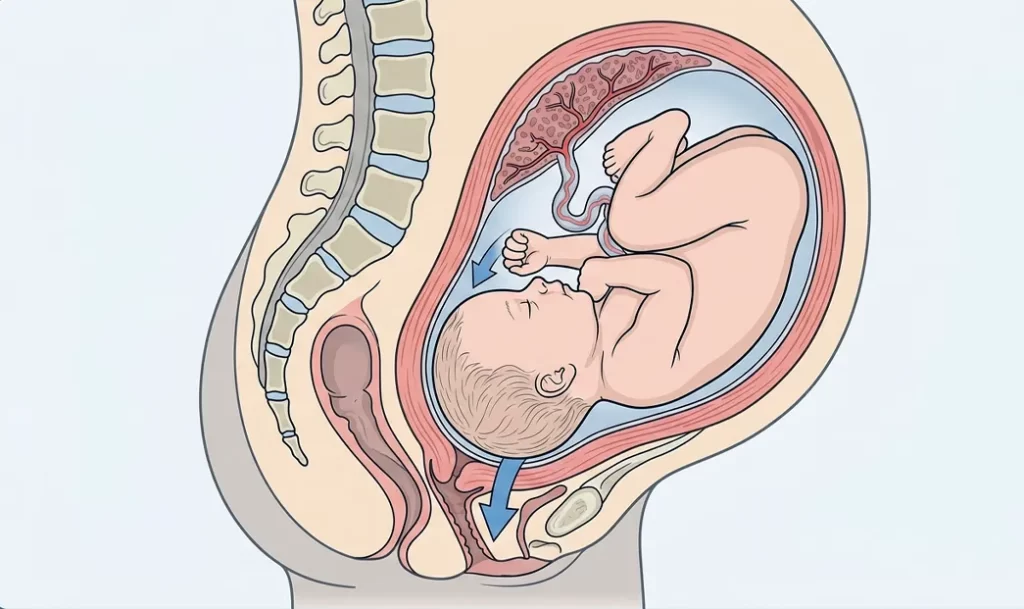
When the baby is positioned head-down in the uterus, the optimal and most common position for vaginal birth, the cervix and birth canal are best aligned for a smooth, natural delivery, making vaginal birth both safe and straightforward.

Normal Fetal Heart Rate and Wellbeing

When continuous or intermittent fetal heart rate monitoring confirms that the baby is tolerating labour well with no signs of fetal distress, normal vaginal delivery can proceed safely and confidently under careful medical supervision.

Adequate Pelvis Size and Normal Fetal Weight

When clinical assessment and ultrasound confirm that the mother’s pelvis is of adequate size and the baby’s estimated weight is within a normal range, cephalopelvic disproportion is not a concern and vaginal delivery is entirely appropriate.

Healthy Mother with No High-Risk Complications

Women without serious medical comorbidities such as severe preeclampsia, uncontrolled diabetes, placenta previa, or active high-risk infections are excellent candidates for normal vaginal delivery with standard obstetric monitoring and support.

Previous Vaginal Delivery or VBAC Candidacy

Women who have previously delivered vaginally without complications are excellent candidates for subsequent vaginal births. In carefully selected cases, women with a previous caesarean section may also be candidates for Vaginal Birth After Caesarean (VBAC).

Four Stages, One Beautiful Journey

The Stages of Normal Vaginal Delivery

Normal delivery progresses through clear labour stages, with continuous monitoring, pain support and guided recovery to keep mother and baby safe throughout birth.

Early Labour

Mild, irregular contractions begin and the cervix gradually softens and opens. Our team guides breathing, movement and comfort measures while monitoring early progress safely.

Active Labour

Contractions become stronger and closer as the cervix dilates toward 10 cm. Fetal heart monitoring, hydration, positioning and pain relief options are provided throughout.

Monitoring & Pain Support

CTG monitoring tracks baby’s heart rate while the mother receives personalised pain support, including breathing techniques, positioning, medications or epidural where suitable.

Pushing & Baby Delivery

Once fully dilated, the mother pushes with contractions while the obstetric team guides safe descent, crowning and delivery, protecting both mother and baby at every step.

Placenta Delivery

After birth, the placenta separates and is delivered naturally, usually within minutes. Oxytocin support and uterine checks help reduce bleeding risk and improve safety.

Immediate Recovery & Bonding

The first recovery hour includes vital checks, bleeding assessment, breastfeeding support and skin-to-skin bonding, helping mother and baby settle safely after delivery.

Best for Mother, Best for Baby

Benefits of Normal Vaginal Delivery

Normal vaginal delivery offers a wide range of well-documented medical, physical, and psychological benefits for
both mother and newborn, making it the globally preferred mode of childbirth when medically appropriate.

Faster Recovery for the Mother

Shorter hospital stay and significantly faster overall physical recovery compared to caesarean delivery, allowing mothers to return to caring for their newborn and resuming daily activities much sooner.

Lower Surgical Risk

Avoids the risks of surgical complications including excessive bleeding, wound infection, blood clots, and anaesthesia-related complications that carry additional burden in caesarean delivery.

No Surgical Scar on the Uterus

Natural healing with no uterine surgical scar preserves full reproductive capacity and significantly reduces the risk of complications in future pregnancies including abnormal placentation and uterine rupture.

Natural Hormonal Benefits

The natural surge of oxytocin and endorphins during labour and delivery actively promotes emotional well-being, supports early mother-baby bonding, and facilitates easier and more comfortable initiation of breastfeeding.

Better Lung Development for the Baby

Passage through the birth canal compresses the baby's chest, naturally expelling amniotic fluid from the lungs and significantly reducing the risk of respiratory problems such as transient tachypnoea of the newborn.

Immune System Priming for the Baby

Exposure to the maternal vaginal microbiome during birth colonises the baby's gut with beneficial bacteria, supporting immune system development and reducing the risk of allergies and autoimmune conditions later in life.

Reduced Risk of Future Pregnancy Complications

Vaginal delivery reduces the risk of placental complications including placenta praevia and accreta in future pregnancies, which are more common after repeated caesarean sections.

Enhanced Baby Alertness and Breastfeeding Readiness

The natural hormonal effects of labour produce a newborn who is more alert, responsive, and ready to breastfeed immediately after birth compared to babies delivered by elective caesarean section.

Sense of Empowerment and Accomplishment

Women who deliver vaginally often report a powerful sense of personal accomplishment, confidence, and empowerment from the birth experience that positively shapes their early motherhood journey.

Stronger Long-Term Immune Health for the Baby

Early microbiome colonization through vaginal delivery is associated with long-term health benefits including a lower incidence of obesity, type 1 diabetes, and asthma in children compared to caesarean-delivered peers.

Prepare Well, Birth with Confidence

Normal Vaginal Delivery — Do's and Don'ts

Following these recommendations throughout your pregnancy and labour will help you prepare effectively for a
safe, positive, and well-supported normal vaginal delivery experience at Galwa Care Hospital.

DO'S — What You Should Do

Attend all antenatal appointments consistently to monitor your pregnancy and birth readiness.

Create and share a birth plan with your obstetrician at Galwa Care Hospital well before your due date.

Practice recommended breathing and relaxation techniques throughout your third trimester.

Stay physically active with approved exercises such as walking and prenatal yoga throughout pregnancy.

Eat a nutritious, iron-rich diet to maintain energy and haemoglobin levels for labour.

Head to hospital when contractions are 5 minutes apart, lasting at least 1 minute, for an hour.

Go immediately to hospital if your waters break or you experience heavy vaginal bleeding.

Ask for pain relief options early and openly as accepting support does not diminish your birth experience.

Stay well-hydrated during early labour and rest as much as possible before active labour begins.

Stay well-hydrated during early labour and rest as much as possible before active labour begins.

DONT'S — What You Should Avoid

Do not ignore regular, progressively strengthening contractions regardless of the time of day.

Avoid lying flat on your back for prolonged periods in late pregnancy as it reduces placental blood flow.

Do not delay going to hospital if you notice reduced fetal movements or your waters break.

Avoid eating large heavy meals during active labour as it increases the risk of nausea and vomiting.

Do not feel pressured to proceed with vaginal delivery if your obstetrician recommends a change of plan.

Avoid arriving at hospital too early in very early labour as monitoring at home is often more comfortable.

Do not hesitate to ask your medical team any questions before, during, or after your delivery.

Avoid comparing your labour experience with others as every woman and every birth is uniquely individual.

Do not skip postnatal check-up appointments as monitoring postpartum recovery is equally important.

Avoid dismissing feelings of anxiety or emotional difficulty after birth and seek support if needed.

We Celebrate Every Birth, Every Time

Your Birth Story
Deserves the Very
Best Care

Experienced senior obstetricians and gynaecologists with expertise across all stages of normal and complex labour

24/7 dedicated labour and delivery unit with experienced obstetric nurses and physicians always available

Continuous fetal monitoring with state-of-the-art CTG equipment throughout every stage of labour

Full range of pain management including epidural analgesia, Entonox, IV relief, and non-pharmacological support

Neonatology team and NICU facility immediately available for expert newborn care if required

Birth plan respect and genuinely personalized care honouring every mother's individual preferences

Dedicated postpartum support including lactation counselling and mental health care after delivery

2000+

Eggs Successfully Frozen

98%

Vitrification Survival Rate

15+

Years of Experience

24/7

Support to Call

Transparent Maternity Pricing, No Surprises

How Much Does Normal Vaginal Delivery Cost?

The cost of normal vaginal delivery at Galwa Care Hospital depends on the duration of labour, the level of pain management selected, the length of hospital stay, and whether any additional clinical interventions are required during the delivery process. All pricing is communicated clearly and transparently upfront with no hidden charges.

Easy EMI Facility Available

Antenatal assessment and birth plan consultation

Labour ward admission and nursing care

Fetal monitoring throughout labour

Pain management selected

Delivery and immediate postpartum care

Neonatal assessment and newborn care

Postnatal stay and lactation support

Easy EMI Facility Available

Shape Image

Normal Delivery Questions, Clearly Answered

Frequently Asked Questions.

True labour is characterised by regular contractions that progressively increase in strength, duration, and frequency and do not ease with rest or position change. A general guideline is to head to hospital when contractions are 5 minutes apart, lasting at least 1 minute, for a consistent hour. Go immediately if your waters break, if you experience heavy bleeding, if fetal movements reduce significantly, or if you develop severe headache, visual disturbances, or sudden swelling. If you are ever unsure, the team at Galwa Care Hospital is available 24 hours a day to assess you and provide guidance without hesitation.

Labour duration varies considerably. For first-time mothers, active labour typically lasts 8 to 12 hours in total. For women who have delivered before, it is often significantly shorter, sometimes 4 to 6 hours or less. Labour contractions are intense and can be painful, but every woman's experience is different. Galwa Care Hospital offers a full range of pain management options including epidural analgesia, Entonox, IV medications, positioning support, and breathing techniques, so every mother can choose the level of pain relief that feels right for her individual needs and preferences.

An episiotomy is a small surgical cut made at the vaginal opening to facilitate delivery when clinically needed. At Galwa Care Hospital, episiotomies are not performed routinely. They are only considered when specifically necessary, such as when there is a risk of severe tearing or when the baby needs to be delivered urgently. The decision is made by your obstetrician in the moment based on the progress of your individual delivery, always with your safety and comfort as the primary consideration.

Immediately after birth, your baby is placed on your chest for skin-to-skin contact during the golden hour while the umbilical cord is clamped and cut. The baby is assessed using the Apgar score at 1 and 5 minutes after birth. The placenta is then delivered, typically within 5 to 30 minutes, and your recovery including vital signs, uterine tone, and blood loss is closely monitored by our nursing team. Our lactation specialist supports you in initiating breastfeeding during this precious first hour, and our neonatal team is immediately available if your baby requires any additional assessment or care.

In carefully selected cases, yes. This is known as VBAC, Vaginal Birth After Caesarean. Eligibility depends on several factors including the type of previous uterine incision, the reason for the prior caesarean, the number of previous caesareans, and the clinical progress of your current pregnancy. Your specialist at Galwa Care Hospital will conduct a comprehensive individual assessment and discuss all available options, the benefits, the risks, and the monitoring protocol for VBAC, so you can make a fully informed decision about the safest and most appropriate mode of delivery for your individual situation.

Appointment Request Form

Care Packages for Every Stage

Take the First Step Towards Better Care

Schedule your personalized consultation at Galwa Care Hospital to experience medical expertise combined with compassionate support for every patient journey
GALWA CARE