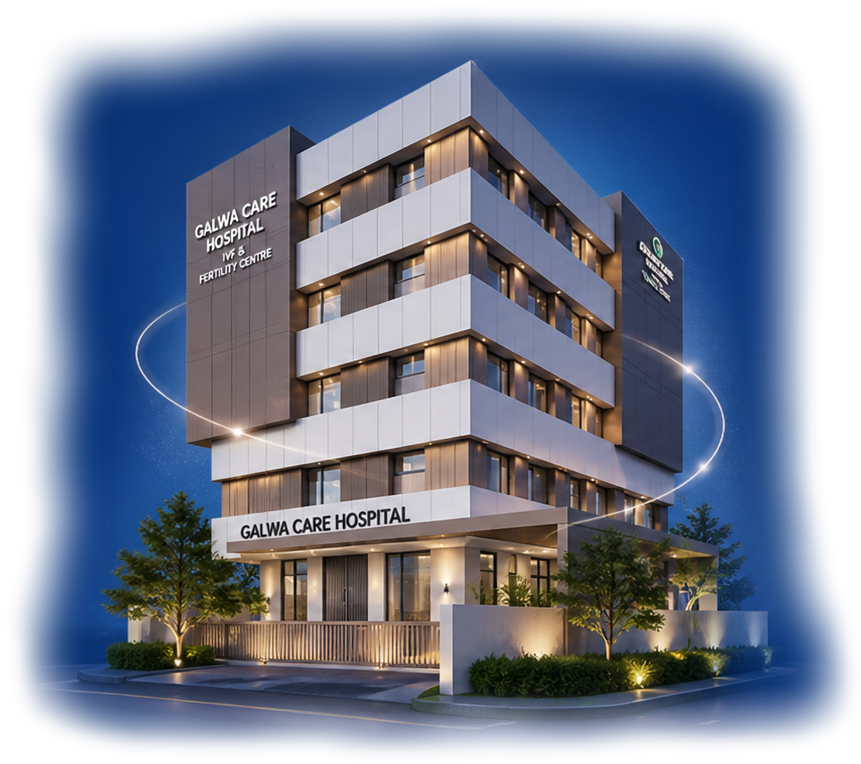
Advanced IVF, IUI & ICSI treatments with highest success rates — compassionate care for every step of your fertility journey.
State-of-the-art IVF lab, experienced embryologists and personalised protocols for the best possible outcomes.
Comprehensive care across pregnancy, fertility and advanced gynaecology — delivered with privacy, safety and compassion.
15+ years of expertise, advanced labs and personalised treatment plans.
Advanced facial & body cosmetic procedures by expert surgeons — natural results, minimal downtime, maximum confidence.
Board-certified surgeons delivering natural, beautiful results with the latest techniques.
Expert reconstructive & plastic surgery for hand, birth deformities, cancer reconstruction and trauma — restoring form and function with precision.
Advanced body contouring, breast surgeries & intimate procedures by expert surgeons — natural results, renewed confidence.
Advanced laser skin treatments, intimate wellness procedures & expert hair restoration — all under one roof.
State-of-the-art laser tech & hair restoration by certified specialists.
Comprehensive fertility, hormonal & genetic diagnostics for females and males — accurate, fast and confidential.
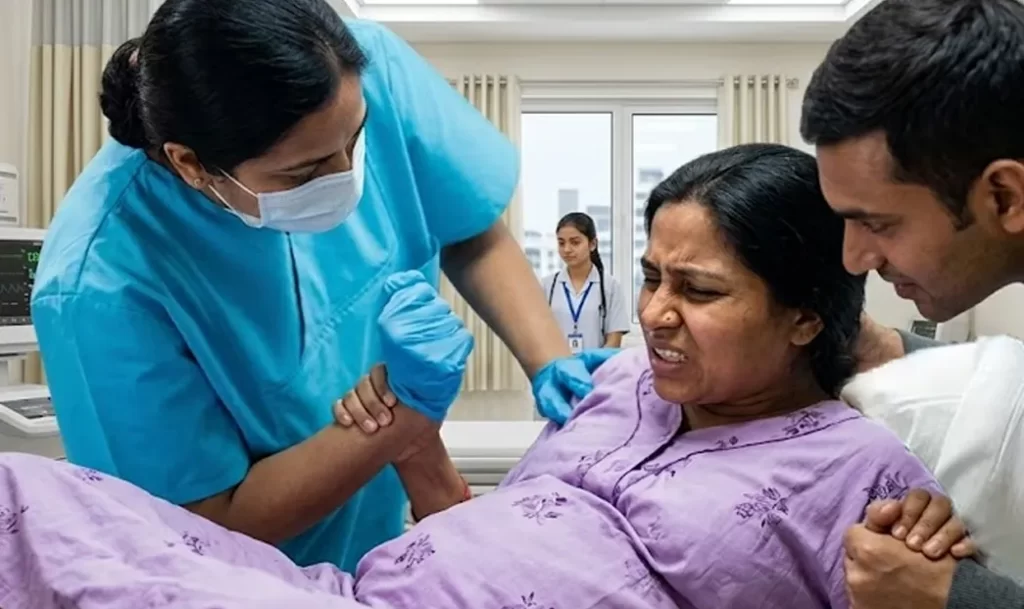
Women experiencing their first labour often have significant anxiety about the intensity of contractions. Epidural analgesia removes the fear of pain from the equation, allowing first-time mothers to be fully present and emotionally engaged throughout their birth experience.
For women experiencing prolonged labour, epidural analgesia allows the mother to rest, conserve energy, and remain calm during an extended first stage, arriving at the pushing phase refreshed and ready rather than physically and emotionally exhausted.
For women with preeclampsia, certain cardiac conditions, or other high-risk medical situations, epidural analgesia reduces the cardiovascular stress of labour, offering both comfort and significant clinical benefit alongside effective pain management.
Mothers who experienced traumatic or extremely painful previous deliveries often choose painless delivery for subsequent births to ensure a more positive, controlled, and emotionally comfortable experience this time around.
For women attempting Vaginal Birth After Caesarean (VBAC), epidural analgesia is often recommended as the catheter provides immediate access to surgical anaesthesia if an emergency C-section becomes necessary during labour.
Every woman has the right to choose how she experiences labour. Any mother who wishes for a significantly more comfortable birth experience, for personal or medical reasons, is a suitable candidate for painless delivery at Galwa Care Hospital.
Your obstetrician and anaesthesiologist review labour progress, blood reports, medicines and health history. IV access and fetal monitoring are confirmed before epidural placement.
You are seated or placed on your side with the back gently curved. This position opens the lower spine spaces for precise, comfortable epidural catheter placement.
The lower back is cleaned with antiseptic and numbed with local anaesthetic. Most mothers feel only a brief sting before the skin becomes comfortable.
A fine catheter is placed into the epidural space and secured to your back. The needle is removed, leaving only the soft catheter for controlled pain relief.
A small test dose confirms correct placement, followed by the main medicine. Pain relief usually begins within 10–20 minutes and is adjusted as labour progresses.
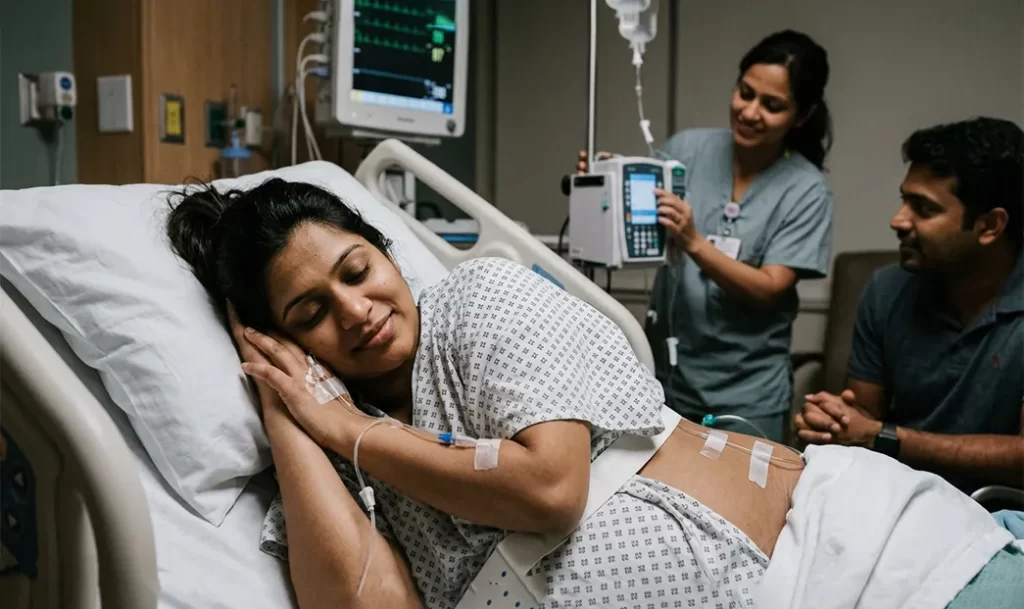
Mother’s blood pressure, oxygen level, contractions and baby’s heart rate are monitored throughout. Top-up doses are given when needed for consistent comfort.
After delivery, the epidural catheter is removed gently and the small site is covered. Leg sensation and strength return gradually over the next few hours.

Epidural analgesia provides the most reliable and powerful pain relief available during labour, far superior to any other pharmacological or non-pharmacological pain management method currently in use.

Unlike general anaesthesia, an epidural keeps the mother fully conscious and alert throughout labour, able to see, hear, and emotionally experience every moment of her baby's birth in real time.

By eliminating or dramatically reducing pain, an epidural significantly lowers the physiological stress response during labour, reducing adrenaline levels and allowing the body to labour more calmly and effectively.

For women experiencing prolonged labour, epidural analgesia allows the mother to rest and conserve energy for the pushing stage rather than exhausting herself fighting through hours of severe pain.

If an emergency C-section becomes necessary, the existing epidural catheter can be rapidly topped up with stronger anaesthetic, avoiding the time and risks associated with administering a new spinal block or general anaesthesia.

The dose can be titrated up or down in response to the mother's comfort level and labour progress, providing genuinely personalized and flexible pain management throughout every stage of delivery.

Where appropriate, Galwa Care Hospital offers Patient-Controlled Epidural Analgesia (PCEA), allowing the mother to self-administer small, safe top-up doses using a handheld button, giving her direct control over her own comfort.

For women with preeclampsia or certain cardiac conditions, epidural analgesia reduces the cardiovascular stress of labour, providing both comfort and meaningful clinical benefit beyond pain management alone.

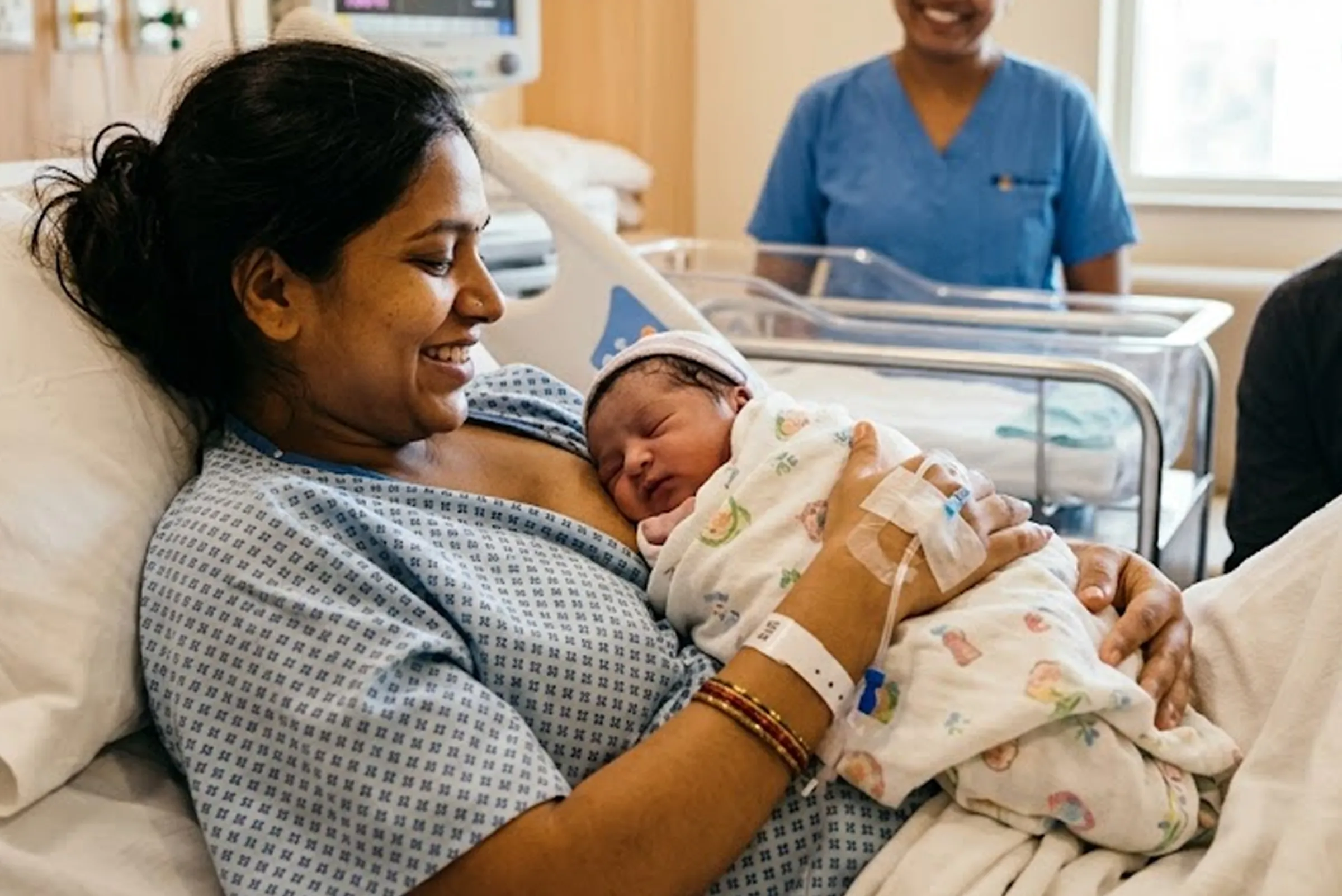
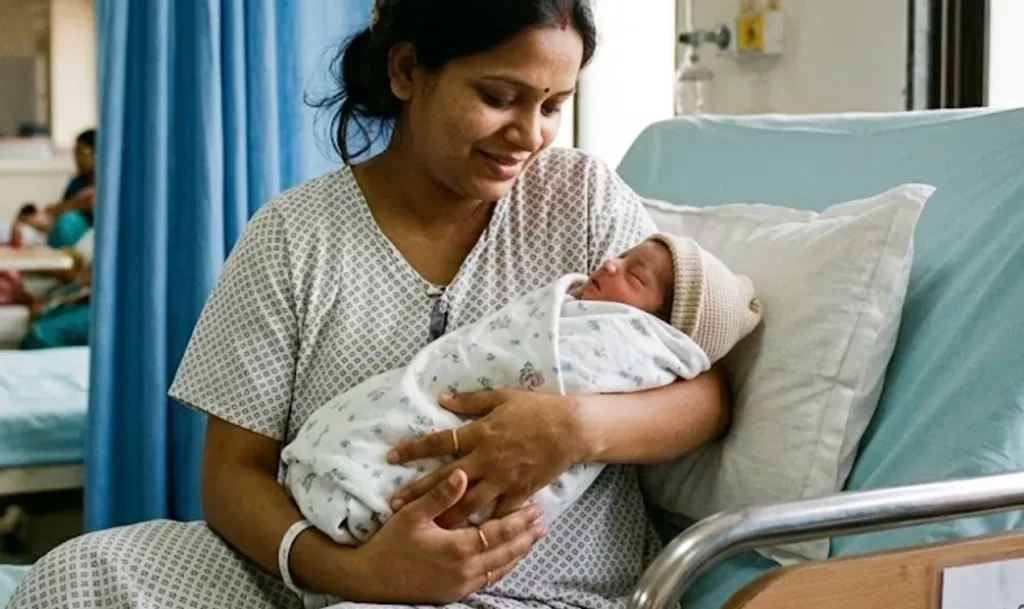
Mothers who deliver with effective pain relief consistently report more positive birth experiences, a greater sense of control and empowerment, and stronger early emotional bonding with their newborn immediately after birth.

When administered and monitored by a trained obstetric anaesthesiologist, epidural analgesia is safe for both mother and baby. The medication used does not cross the placenta in clinically significant amounts and fetal monitoring continues throughout.


Eggs Successfully Frozen

Vitrification Survival Rate

Years of Experience

Support to Call

Yes. When administered and monitored by a trained obstetric anaesthesiologist, epidural analgesia is safe for both mother and baby. The medication used does not cross the placenta in clinically significant amounts and fetal heart rate is continuously monitored throughout epidural labour. In most cases, yes, you will be able to push effectively. Modern low-dose epidural protocols are specifically designed to reduce pain while preserving enough sensation and pressure for the mother to feel the urge to push. Our anaesthesiology team at Galwa Care Hospital carefully titrates the dose to maintain effective pushing ability during the second stage of labour.
An epidural can be placed at any point during established active labour, typically from around 4 centimetres of cervical dilation onwards once active contractions are confirmed. If you are considering painless delivery, it is advisable to request the epidural early in active labour rather than waiting until pain becomes completely unmanageable. The procedure of siting an epidural typically takes 10 to 20 minutes from start to finish. You will be asked to remain very still during placement, which our nursing team and anaesthesiologist will guide you through carefully and reassuringly.
Epidurals are highly effective in the vast majority of cases, but occasionally pain relief may be uneven or incomplete, a situation known as a patchy block. If this occurs, our anaesthesiologist at Galwa Care Hospital will adjust the catheter position or medication dose to improve coverage and ensure adequate relief. In rare cases, the epidural may need to be resited. Our team takes responsibility for your comfort throughout labour and will not consider the procedure complete until you are experiencing the level of relief that was promised and expected.
Research shows that modern low-dose epidurals do not significantly prolong the first stage of labour. They may occasionally extend the pushing phase slightly, but our obstetric team at Galwa Care Hospital manages labour progress closely to minimise any impact on overall delivery timing. You are completely free to request an epidural at any point during your labour even if you initially declined, and as long as labour has not progressed too far and there are no contraindications, our anaesthesiology team will accommodate your request as quickly as possible. Other pain relief options including Entonox, IV analgesia, warm water therapy, and breathing techniques are also available, though none provides the same consistent, complete relief as an epidural.
Yes, in many cases. If you are being supported for a VBAC at Galwa Care Hospital, epidural analgesia is generally compatible and may even be recommended, as the catheter provides immediate access to surgical anaesthesia if an emergency C-section becomes necessary during labour. The epidural leaves no visible scar. The only mark is a tiny skin entry point in the lower back covered with a simple dressing after catheter removal, which heals completely within days. There is no lasting visible sign of the epidural procedure on the skin or the back after recovery is complete.