Shopping cart

Subtotal 0

View cartCheckout

Hormone Tests Jodhpur

Unlock the Root Cause with
Precise Hormonal Insight

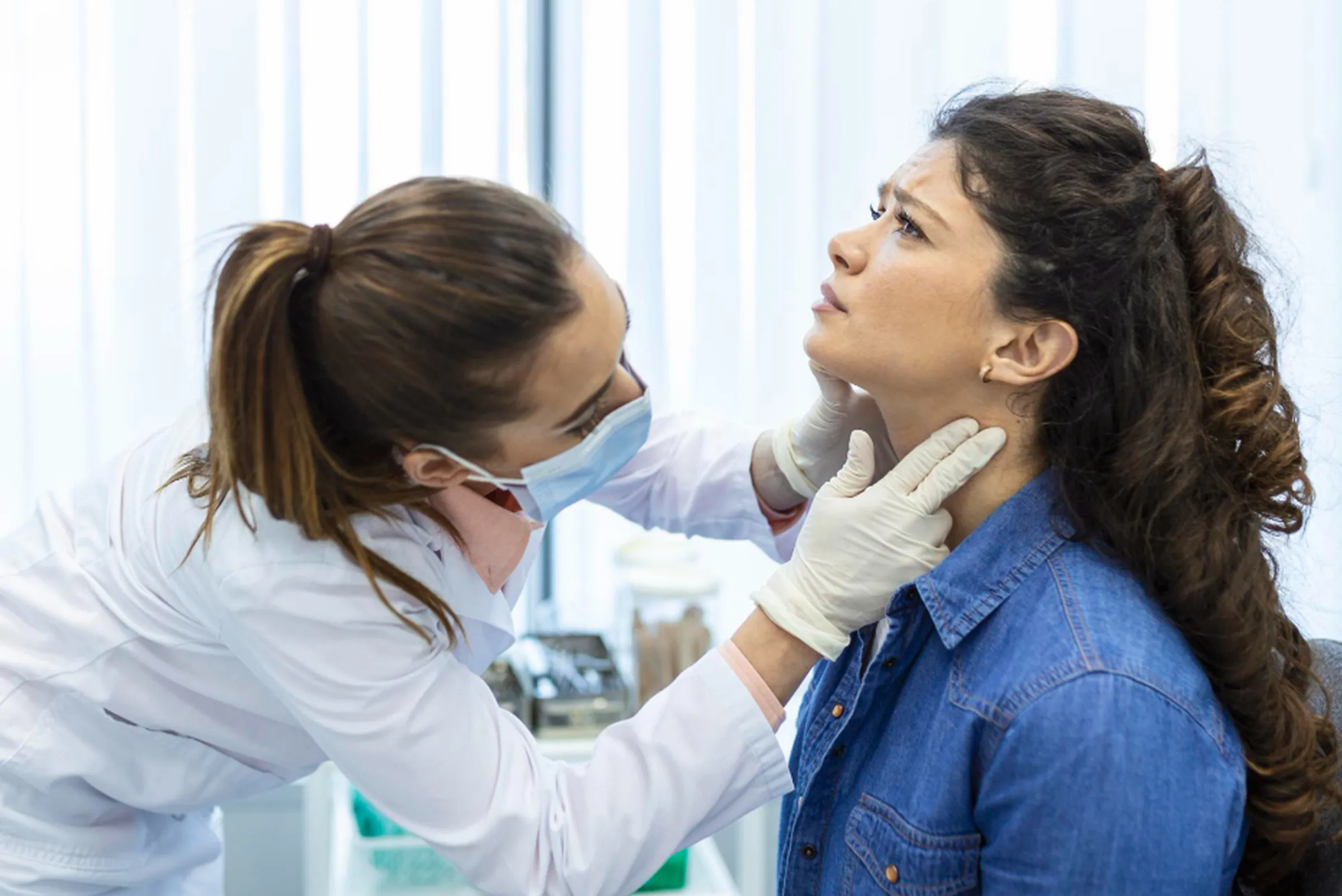
Hormone testing evaluates the endocrine signals that control ovulation, periods, ovarian reserve, thyroid function and reproductive health.

Our specialists connect test results with symptoms such as irregular cycles, PCOS, infertility or recurrent pregnancy loss.

The assessment helps create a targeted treatment plan instead of relying on guesswork.

Are You Facing These Issues?

Free Consultation
from our Consultants

Hormones May Hold the Answer You Need

Who Needs an Endocrine Assessment?

An endocrine assessment is recommended for any woman whose fertility, menstrual health, or reproductive
wellbeing may be affected by hormonal imbalance, deficiency, or dysfunction at any level of the endocrine system.

Women with Irregular or Absent Periods

Hormonal imbalance is the most common direct cause of cycle disruption. When periods are irregular, infrequent, or completely absent, a comprehensive hormonal panel is the essential first step to identifying and correcting the underlying endocrine cause.

Women Diagnosed with PCOS

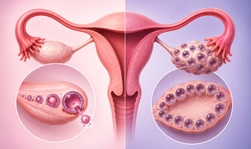
Polycystic Ovary Syndrome requires detailed hormonal profiling including LH, FSH, testosterone, insulin, and AMH to fully characterise the endocrine pattern, guide ovulation induction protocols, and assess metabolic risk alongside reproductive impact.

Women with Unexplained Infertility

When standard investigations have not identified a clear cause of infertility, hormonal assessment frequently reveals what other tests have missed, identifying subtle imbalances in thyroid function, prolactin, progesterone, or ovarian reserve that are silently preventing conception.

Women Above 35 Planning Pregnancy

Ovarian reserve and reproductive hormone levels decline with age, making timely AMH, FSH, and antral follicle count assessment essential for women above 35 to understand their remaining fertility window and plan the most appropriate and time-sensitive treatment.

Women with Recurrent Miscarriages

Thyroid dysfunction and inadequate progesterone production are key hormonal contributors to recurrent early pregnancy loss. Endocrine assessment identifies and quantifies these factors, enabling targeted treatment that significantly reduces future miscarriage risk.

Women Undergoing IUI, IVF, or Ovulation Induction

Baseline and stimulated hormonal levels directly guide protocol decisions for all fertility treatments. The choice of medications, their dosages, and the precise timing of treatment cycles are all determined by the endocrine assessment findings at the start of every cycle.

Timed, Targeted, and Clinically Precise

When and How Endocrine Tests Are Performed

Hormonal testing for fertility requires precise timing within the menstrual cycle for the most accurate and clinically meaningful results. At Galwa Care Hospital, every test is scheduled and interpreted by specialist clinical guidance.

Day 2 or Day 3 Baseline Testing

The most important cycle-specific testing window. FSH, LH, Estradiol, and AMH are measured on Day 2 or Day 3 of the menstrual cycle to provide a baseline assessment of ovarian reserve, pituitary function, and the hormonal environment at the start of each cycle.

Midcycle Testing (Around Day 14)

An LH surge test confirms that ovulation is occurring at the expected time. This midcycle assessment is particularly important in women with irregular cycles or those undergoing ovulation induction, where precise identification of the ovulatory window is clinically essential.

Day 21 Post-Ovulation Progesterone

A progesterone measurement taken 7 days after confirmed ovulation, typically on Day 21, confirms whether ovulation has actually occurred and whether the corpus luteum is producing sufficient progesterone to support the uterine lining for implantation and early pregnancy.

Any Time Testing — Thyroid, Prolactin, and AMH

Thyroid function tests (TSH, T3, T4), prolactin, AMH, and testosterone can be measured at any point in the cycle without timing dependency. These are critical components of the fertility endocrine panel that should never be omitted from a complete assessment.

Pre-Treatment Hormonal Baseline for IUI and IVF

A complete hormonal baseline panel is required before starting any fertility treatment cycle. This comprehensive pre-treatment assessment ensures that stimulation protocols, medication choices, and dosing are fully individualised and optimised for each patient.

Serial Monitoring During Ovarian Stimulation

During IVF or ovulation induction cycles, serial oestrogen and LH measurements are taken every 1 to 2 days to track follicular response, confirm adequate stimulation, guide dose adjustments, and precisely time the trigger injection for optimal egg maturation.

Specialist Interpretation and Clinical Action Planning

Every endocrine assessment result at Galwa Care Hospital is reviewed and interpreted by a fertility specialist or endocrinologist in the context of your complete clinical picture. Results are explained clearly and translated directly into an individualised, evidence-based treatment plan.

Know Your Hormones, Plan with Confidence

Benefits of a Comprehensive Endocrine Assessment

A thorough endocrine assessment at Galwa Care Hospital provides the hormonal clarity that is essential for accurate
fertility diagnosis, individually optimised treatment, and the highest possible chance of a successful outcome.

Identifies Hidden Hormonal Causes of Infertility

Many hormonal causes of infertility produce no obvious symptoms. An endocrine assessment reveals imbalances in thyroid function, prolactin, progesterone, and the pituitary-gonadal axis that blood tests alone cannot identify without targeted hormonal profiling.

Accurately Assesses Ovarian Reserve

AMH combined with FSH, LH, Estradiol, and antral follicle count provides the most complete and reliable assessment of a woman's remaining ovarian reserve, directly informing the urgency and choice of fertility treatment pathway.

Guides Fertility Treatment Protocol Decisions

Hormonal data from the endocrine assessment directly determines the choice of fertility medications, their precise dosages, and the timing of every step in IUI, IVF, and ovulation induction cycles, making treatment as targeted and effective as possible.

Diagnoses Treatable Hormonal Conditions Early

Thyroid disorders, hyperprolactinaemia, and luteal phase deficiency are all highly treatable causes of infertility and recurrent miscarriage that an endocrine assessment identifies and quantifies, enabling prompt and effective hormonal correction.

Enables Personalised Ovulation Induction

For women with PCOS or anovulation, hormonal profiling of LH, FSH, testosterone, and insulin resistance determines the safest and most appropriate ovulation induction approach, minimising the risk of overstimulation while maximising treatment effectiveness.

Reduces Risk of Recurrent Miscarriage

Identifying and treating progesterone deficiency and thyroid dysfunction through endocrine assessment significantly reduces the risk of early pregnancy loss in women with a history of recurrent miscarriage.

Avoids Unnecessary or Inappropriate Treatment

Without hormonal clarity, fertility treatment risks being misdirected. An endocrine assessment ensures that every intervention is justified by actual hormonal findings rather than assumptions, saving time, cost, and emotional burden.

Detects Systemic Conditions Affecting Fertility

Thyroid disorders, adrenal dysfunction, and insulin resistance are systemic conditions that directly impair reproductive health but are detectable only through targeted endocrine testing, enabling treatment that addresses root causes comprehensively.

Provides a Baseline for Ongoing Treatment Monitoring

Baseline hormonal values established at the start of treatment provide a reference point against which the response to medication, lifestyle changes, and hormonal therapy can be objectively measured and refined over time.

Empowers Informed Decision-Making

Understanding your hormonal profile empowers you to make genuinely informed decisions about your fertility treatment options, timelines, and realistic expectations, with full clinical transparency and specialist support at every step.

Prepare Correctly for the Most Accurate Results

Endocrine Assessment — Do's and Don'ts

Following these guidelines before your hormonal blood tests will ensure the most accurate, clinically
meaningful results and the most reliable basis for your fertility treatment planning at Galwa Care Hospital.

DO'S — What You Should Do

Schedule your Day 2 or Day 3 hormone tests on the correct days of your menstrual cycle.

Inform your doctor of all current medications including contraceptives and thyroid supplements before testing.

Fast overnight before insulin and cortisol tests as these require a fasting sample for accuracy.

Arrive at the laboratory early in the morning for most hormonal blood tests as morning levels are most clinically reliable.

Bring all previous hormone test reports and fertility investigation results to your appointment.

Attend your result review consultation promptly as hormonal findings require timely clinical action.

Ask your specialist to explain every result clearly including what normal and abnormal values mean for your case.

Repeat any tests flagged as borderline on the cycle day your specialist specifically recommends.

Disclose all supplements, herbal remedies, and over-the-counter medications before testing.

Follow up on any recommended additional investigations such as ultrasound or thyroid antibody testing without delay.

DONT'S — What You Should Avoid

Do not test on the wrong cycle day as timing-dependent hormones produce misleading results outside their window.

Avoid starting new supplements or medications in the days before your scheduled endocrine tests.

Do not self-interpret your hormonal results without specialist clinical guidance and context.

Avoid missing your midcycle or Day 21 tests as these confirm ovulation and corpus luteum function.

Do not skip the thyroid and prolactin components of your panel as these are frequently overlooked causes of infertility.

Avoid excessive stress or strenuous exercise immediately before prolactin or cortisol testing as both elevate levels temporarily.

Do not assume normal results rule out all hormonal issues as some imbalances require repeat or dynamic testing.

Avoid delaying the consultation after your results are available as hormonal findings often require time-sensitive treatment.

Do not start or stop any hormonal medications before testing without explicit advice from your fertility specialist.

Avoid comparing your results with others as normal hormonal ranges and their clinical significance are individually specific.

Clinical Precision, Compassionate Interpretation

Hormonal Answers
That Lead to Real
Treatment Clarity

Fertility-focused endocrine specialists with deep expertise in reproductive hormonal assessment

Comprehensive, individually curated hormonal panels tailored to your specific clinical profile

Cycle-day specific testing protocols ensuring every result is collected at its most clinically accurate timing

Same-day or next-morning results with prompt specialist review and clear clinical interpretation

Integrated coordination between endocrinology, gynaecology, and fertility teams for seamless care

Complete hormonal profiling including ovarian reserve, thyroid, pituitary, adrenal, and metabolic markers

Transparent, compassionate communication ensuring every patient fully understands their hormonal picture

2000+

Eggs Successfully Frozen

98%

Vitrification Survival Rate

15+

Years of Experience

24/7

Support to Call

Precise Diagnostics, Transparent and Fair Pricing

How Much Does an Endocrine Assessment Cost?

The cost of an endocrine assessment at Galwa Care Hospital depends on the specific hormonal tests required, the number of cycle-day visits needed, whether a complete fertility panel or targeted individual tests are requested, and whether specialist consultation is included. All pricing is communicated clearly and transparently upfront.

Easy EMI Facility Available

Individual hormone tests selected

Complete fertility hormonal panel

Number of cycle-day visits

Specialist consultation and report review

Repeat or serial monitoring tests

Additional metabolic markers if required

Easy EMI Facility Available

Shape Image

Endocrine Assessment Questions, Clearly Answered

Frequently Asked Questions.

Yes, USG is completely safe for both mother and baby throughout all trimesters of pregnancy. It uses sound waves, not radiation, and has been used reliably in obstetric care for decades with an excellent safety record. A standard 2D scan shows flat, cross-sectional images of the uterus and baby, while a 3D scan combines multiple angles simultaneously to create a detailed three-dimensional picture. This makes 3D sonography far better for detecting structural abnormalities in the uterine cavity such as uterine septum, fibroids, and polyps that a standard 2D scan can easily miss, particularly in women with infertility or recurrent miscarriage.

Most baseline reproductive hormones including FSH, LH, and Estradiol are most accurately tested on Day 2 or Day 3 of the menstrual cycle. Progesterone to confirm ovulation is tested on Day 21, approximately 7 days after confirmed ovulation. Thyroid function, Prolactin, and AMH can be tested on any day without cycle timing dependency. Some hormones such as insulin and cortisol require an overnight fast for accurate results, while most reproductive hormones do not. Your care team at Galwa Care Hospital will provide clear, specific instructions tailored to your individual test panel before your appointment.

Yes, many hormonal causes of infertility are highly treatable with targeted medication, lifestyle changes, or hormone therapy, and correcting them often leads to successful natural or assisted conception. Thyroid disorders, hyperprolactinaemia, progesterone deficiency, and insulin resistance are all correctable conditions that significantly improve fertility outcomes when identified and managed appropriately. At Galwa Care Hospital, most hormone test results are available the same day or by the following morning, with a specialist review scheduled promptly to discuss your findings, explain every result in clear language, and translate them directly into an actionable and personalised treatment plan.

No, AMH is an important marker but a complete ovarian reserve assessment also requires FSH, LH, Estradiol, and an antral follicle count (AFC) on transvaginal ultrasound to provide the full and most reliable clinical picture. AMH alone can be misleading without these complementary assessments. Yes, thyroid dysfunction is one of the most common and most overlooked causes of infertility and recurrent miscarriage. An underactive or overactive thyroid directly disrupts ovulation, menstrual regularity, endometrial receptivity, and early pregnancy maintenance, making thyroid testing a non-negotiable and essential component of every comprehensive fertility endocrine panel.

Yes, absolutely. An endocrine assessment is highly valuable as a standalone reproductive health evaluation and is often the very first step recommended for anyone concerned about their hormonal health, menstrual regularity, or fertility potential. You do not need to be actively undergoing fertility treatment to benefit from a comprehensive hormonal assessment. Many patients at Galwa Care Hospital choose to have their endocrine profile assessed proactively, and the findings either provide reassurance or identify treatable imbalances that can be addressed before fertility challenges become more significant with the passage of time.

Appointment Request Form

Care Packages for Every Stage

Take the First Step Towards Better Care

Schedule your personalized consultation at Galwa Care Hospital to experience medical expertise combined with compassionate support for every patient journey
GALWA CARE