Advanced IVF, IUI & ICSI treatments with highest success rates — compassionate care for every step of your fertility journey.
State-of-the-art IVF lab, experienced embryologists and personalised protocols for the best possible outcomes.
Comprehensive care across pregnancy, fertility and advanced gynaecology — delivered with privacy, safety and compassion.
15+ years of expertise, advanced labs and personalised treatment plans.
Advanced facial & body cosmetic procedures by expert surgeons — natural results, minimal downtime, maximum confidence.
Board-certified surgeons delivering natural, beautiful results with the latest techniques.
Expert reconstructive & plastic surgery for hand, birth deformities, cancer reconstruction and trauma — restoring form and function with precision.
Advanced body contouring, breast surgeries & intimate procedures by expert surgeons — natural results, renewed confidence.
Advanced laser skin treatments, intimate wellness procedures & expert hair restoration — all under one roof.
State-of-the-art laser tech & hair restoration by certified specialists.
Comprehensive fertility, hormonal & genetic diagnostics for females and males — accurate, fast and confidential.
Semen analysis is the first-line male fertility test that checks sperm count, movement, shape and semen quality.
At Galwa Care Hospital, results are interpreted carefully to identify male-factor infertility and guide IUI, IVF, ICSI or lifestyle correction.
It gives couples a clear starting point for confident fertility planning.
When a couple has been unable to conceive after 12 months of unprotected intercourse, semen analysis is one of the first and most essential investigations to assess male fertility factors that may be contributing to the difficulty in conceiving.
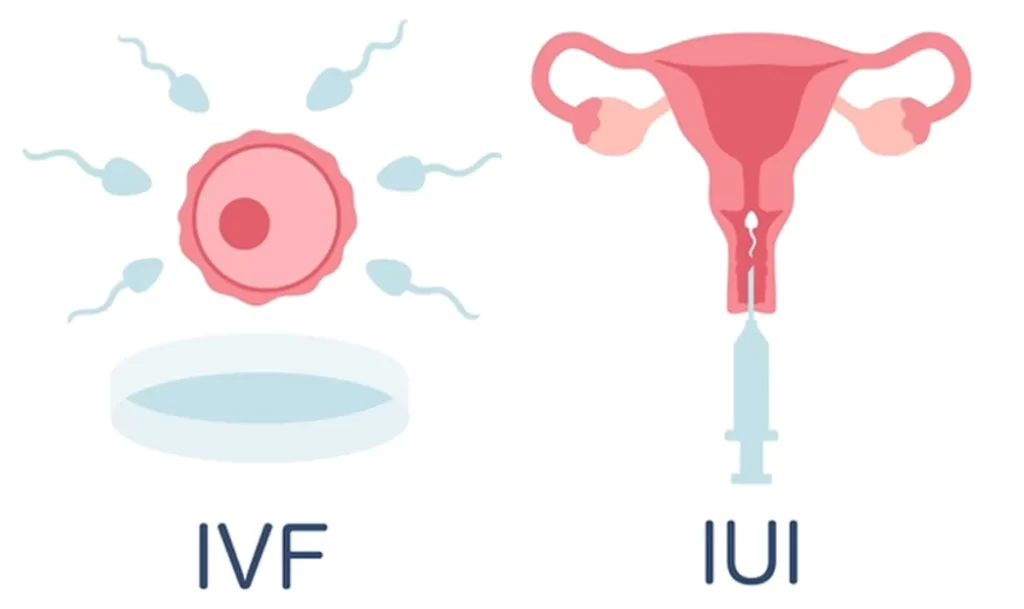
Before any assisted reproductive procedure including IVF, ICSI, or IUI, a current semen analysis is essential to determine the most appropriate treatment protocol, select the best sperm preparation method, and confirm whether advanced techniques such as ICSI are required.
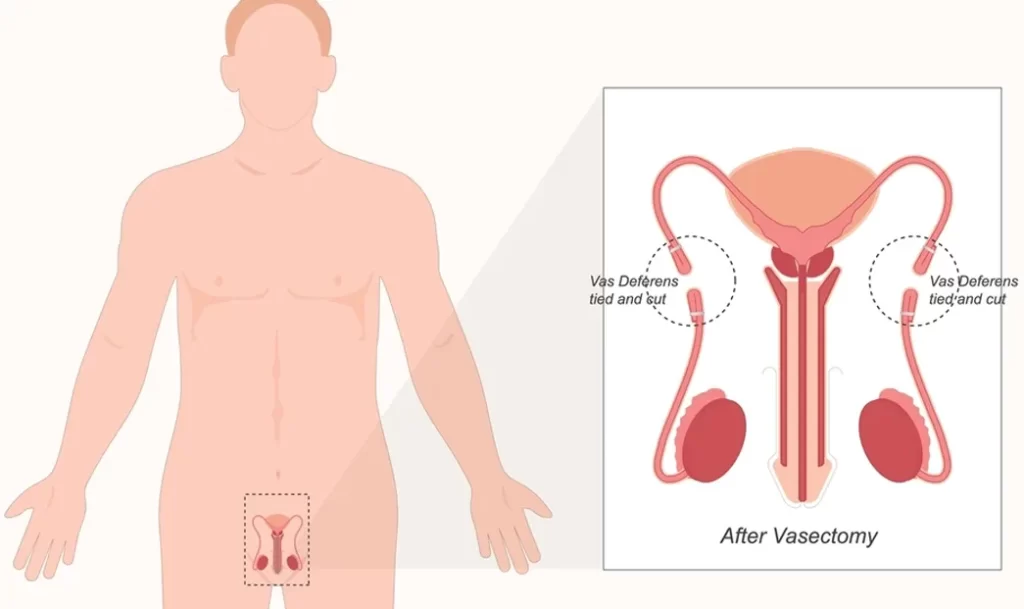
To confirm the success of a vasectomy procedure by verifying the complete absence of sperm in the semen, ensuring the procedure has achieved its intended outcome before the patient relies on it as a contraceptive method.
To evaluate the effectiveness of fertility treatments, hormonal therapies, surgical interventions, or lifestyle modification programmes over time, by objectively comparing sequential semen analysis results at regular intervals.
When a couple experiences repeated miscarriages, semen analysis combined with sperm DNA fragmentation testing assesses whether sperm quality issues including DNA damage are contributing to the pattern of early pregnancy loss.
For men who wish to proactively assess their reproductive health even without an immediate fertility concern, or for men in occupations with known exposure to heat, chemicals, or radiation that may progressively affect sperm quality over time.
Required preparation, screening and safety checks are completed before sample collection or procedure planning.
The sample is collected privately under clear instructions and sent quickly for accurate laboratory processing.
The sample is processed to isolate the healthiest cells and improve suitability for freezing or treatment.
Medical history, fertility status and goals are reviewed so the safest, most suitable treatment plan can be personalised.
The laboratory measures key fertility parameters and prepares clinically useful results for specialist interpretation.
Medical history, fertility status and goals are reviewed so the safest, most suitable treatment plan can be personalised.

Semen analysis identifies the specific sperm parameter abnormalities responsible for male factor infertility, enabling targeted treatment that directly addresses the confirmed cause rather than proceeding blindly with empirical interventions.

The specific findings of semen analysis directly determine the most appropriate fertility treatment pathway, whether natural conception with lifestyle support, IUI, IVF with conventional insemination, or IVF with ICSI for severe sperm abnormalities.

Elevated white blood cells in the semen indicating genital tract infection, abnormal pH suggesting glandular dysfunction, and severely abnormal parameters suggesting hormonal disorders are all identified through semen analysis, guiding timely medical treatment.

The entire procedure involves only a simple semen sample collection with no needles, no instruments, and no physical discomfort whatsoever, making it one of the most accessible and patient-friendly diagnostic tests in reproductive medicine.

Detailed motility and morphology data from semen analysis determines whether advanced sperm selection techniques including ICSI, IMSI, PICSI, or microfluidic sorting are indicated, directly improving IVF fertilization outcomes.

Regular semen analysis monitoring allows men in high-risk occupations or with known health conditions to track changes in sperm quality over time and intervene early before significant and potentially irreversible deterioration occurs.

Post-vasectomy semen analysis provides objective clinical confirmation that the procedure has been completely successful before the patient relies on it as a contraceptive method, providing complete and reliable reassurance.

When combined with sperm DNA fragmentation testing, semen analysis identifies men at elevated risk of recurrent miscarriage and IVF failure due to sperm DNA damage that standard parameters do not capture.

Results are typically available on the same day or the following morning, enabling prompt clinical consultation and minimising the anxiety of extended waiting periods at a time when speed of diagnosis matters significantly.

A clearly explained semen analysis report empowers every man and every couple to make genuinely informed decisions about their fertility treatment options, timelines, and realistic expectations with full clinical transparency and specialist support.


Eggs Successfully Frozen

Vitrification Survival Rate

Years of Experience

Support to Call

A semen analysis evaluates sperm concentration, total and progressive motility, morphology under strict Kruger criteria, semen volume, pH level, liquefaction time, and the presence of white blood cells or infection markers, providing a comprehensive profile of male reproductive health. The sample collection takes a few minutes and laboratory analysis is typically completed within 1 to 2 hours. At Galwa Care Hospital, reports are available the same day or by the following morning, with a specialist consultation scheduled promptly to discuss your findings in complete detail and in plain language.
2 to 5 days of sexual abstinence before the test is the recommended window for the most accurate and representative results. Too little abstinence reduces sperm concentration while too much impairs motility and DNA quality. Sperm quality can be temporarily reduced by stress, recent fever or illness, alcohol, smoking, heat exposure including hot tubs and saunas, tight clothing, and certain medications. These factors are why a single abnormal result should never be treated as a definitive diagnosis, and why a repeat test 2 to 4 weeks later is typically recommended before drawing any firm clinical conclusions.
Not necessarily. Sperm quality naturally varies between samples and a single abnormal result does not confirm infertility. Doctors at Galwa Care Hospital typically recommend a repeat test after 2 to 4 weeks and interpret results in the context of the patient's complete medical and lifestyle history before drawing any conclusions. Yes, semen quality can often be meaningfully improved. A balanced diet, regular moderate exercise, quitting smoking, reducing alcohol intake, managing stress, avoiding heat exposure, and adequate sleep can significantly improve sperm parameters over 2 to 3 months, as the sperm production cycle takes approximately 72 to 90 days to complete.
Sperm count refers to the concentration of sperm per millilitre of semen, while Total Motile Sperm Count (TMSC) is the total number of motile sperm in the entire ejaculate, calculated by multiplying concentration by volume by percentage motility. TMSC is a more clinically meaningful figure for fertility planning as it reflects the actual number of functional sperm available for fertilisation rather than concentration alone. Yes, semen analysis can detect signs of genital tract infection. Elevated white blood cells in the semen, a condition known as leukocytospermia, indicates an active or recent infection of the genital tract that requires targeted antibiotic treatment before fertility treatment proceeds.
No fasting is required before a semen analysis. You should eat and drink normally on the day of the test. However, avoiding alcohol, heavy exercise, and extreme heat for 48 to 72 hours before collection is recommended to ensure the most representative sample quality. If your result shows a significant abnormality such as very low sperm count, absent sperm, or severely impaired motility, your specialist at Galwa Care Hospital will arrange a comprehensive follow-up evaluation including hormonal blood testing, scrotal ultrasound, and where indicated genetic testing, to identify the underlying cause and determine the most appropriate and personalised treatment pathway for your individual situation.