Advanced IVF, IUI & ICSI treatments with highest success rates — compassionate care for every step of your fertility journey.
State-of-the-art IVF lab, experienced embryologists and personalised protocols for the best possible outcomes.
Comprehensive care across pregnancy, fertility and advanced gynaecology — delivered with privacy, safety and compassion.
15+ years of expertise, advanced labs and personalised treatment plans.
Advanced facial & body cosmetic procedures by expert surgeons — natural results, minimal downtime, maximum confidence.
Board-certified surgeons delivering natural, beautiful results with the latest techniques.
Expert reconstructive & plastic surgery for hand, birth deformities, cancer reconstruction and trauma — restoring form and function with precision.
Advanced body contouring, breast surgeries & intimate procedures by expert surgeons — natural results, renewed confidence.
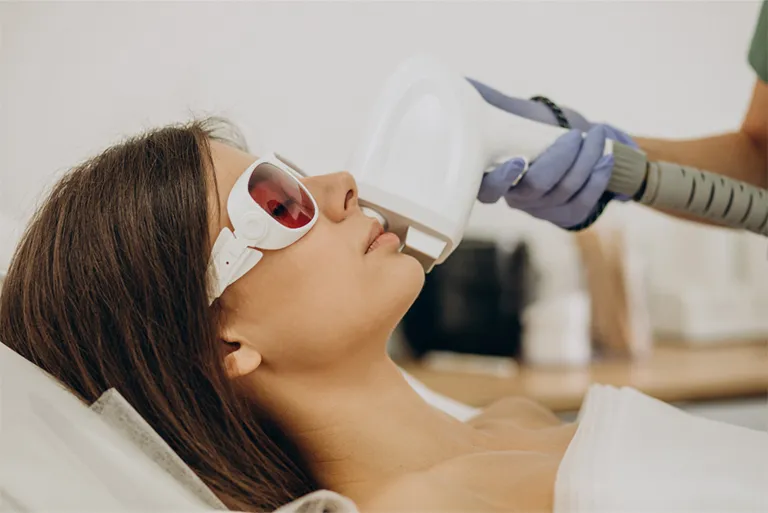
Advanced laser skin treatments, intimate wellness procedures & expert hair restoration — all under one roof.
State-of-the-art laser tech & hair restoration by certified specialists.
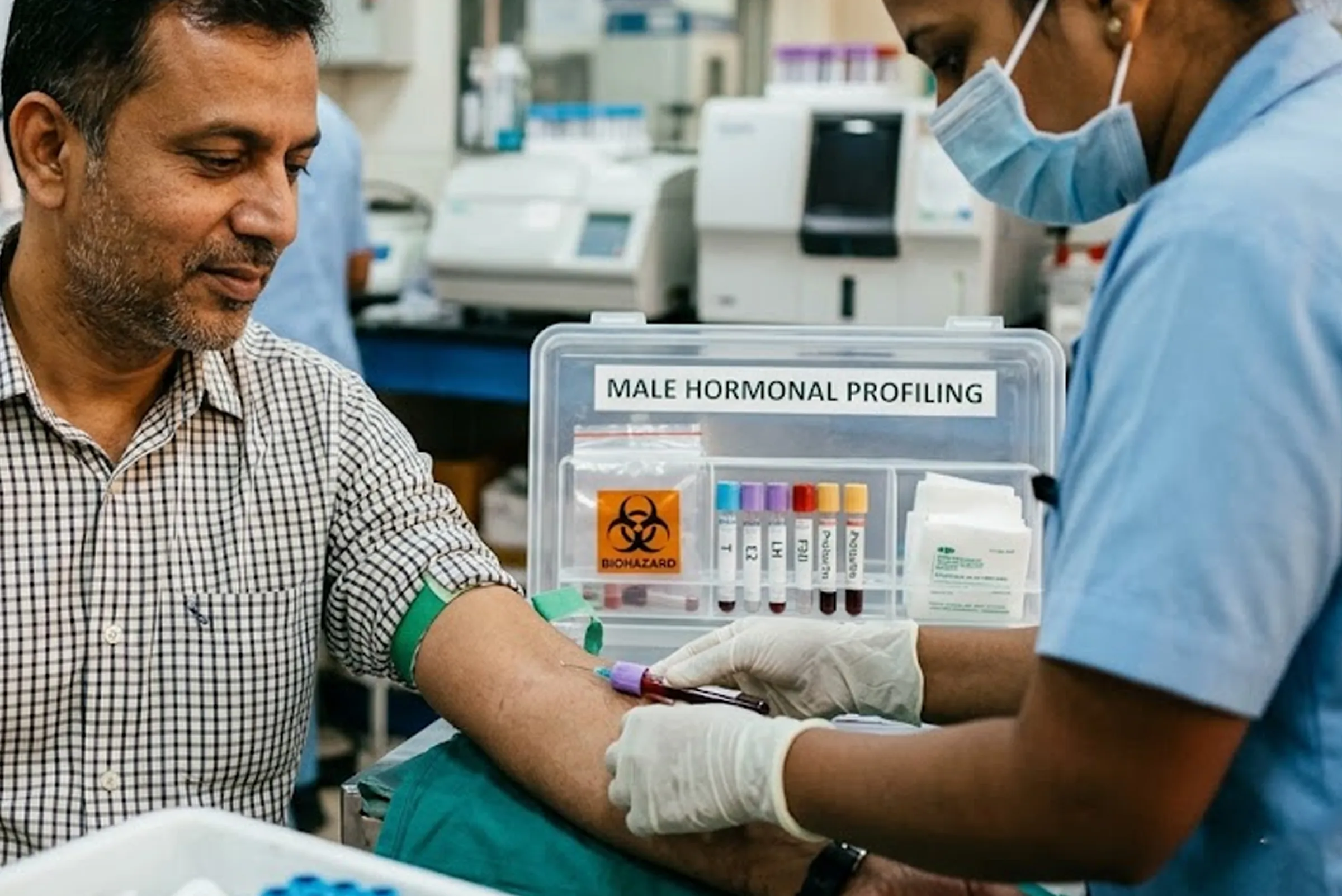
Comprehensive fertility, hormonal & genetic diagnostics for females and males — accurate, fast and confidential.
Hormonal profiling checks key reproductive hormones that influence ovulation, sperm production, menstrual cycles and fertility treatment planning.
At Galwa Care Hospital, reports are interpreted with symptoms, age, cycle history and ultrasound findings for meaningful guidance.
Accurate hormone assessment helps identify root causes and choose the right fertility or endocrine treatment path.
Hormonal imbalance is one of the leading and most treatable causes of male factor infertility. When a couple has been unable to conceive, comprehensive hormonal profiling of the male partner is an essential diagnostic step that should never be omitted from the investigation.
Men experiencing reduced sex drive, erectile dysfunction, or difficulty with arousal, conditions frequently linked to low testosterone or elevated prolactin, require hormonal assessment to identify the specific endocrine cause before appropriate treatment is selected.
Persistent tiredness, lack of motivation, poor concentration, and low mental clarity despite adequate rest can signal low testosterone, elevated prolactin, or thyroid-hormonal disruption, all of which are identifiable and treatable through targeted hormonal profiling.
Unexplained reduction in muscle mass, increased abdominal body fat, or declining gym performance despite regular training may indicate hypogonadism or testosterone deficiency requiring prompt hormonal evaluation and targeted clinical management.
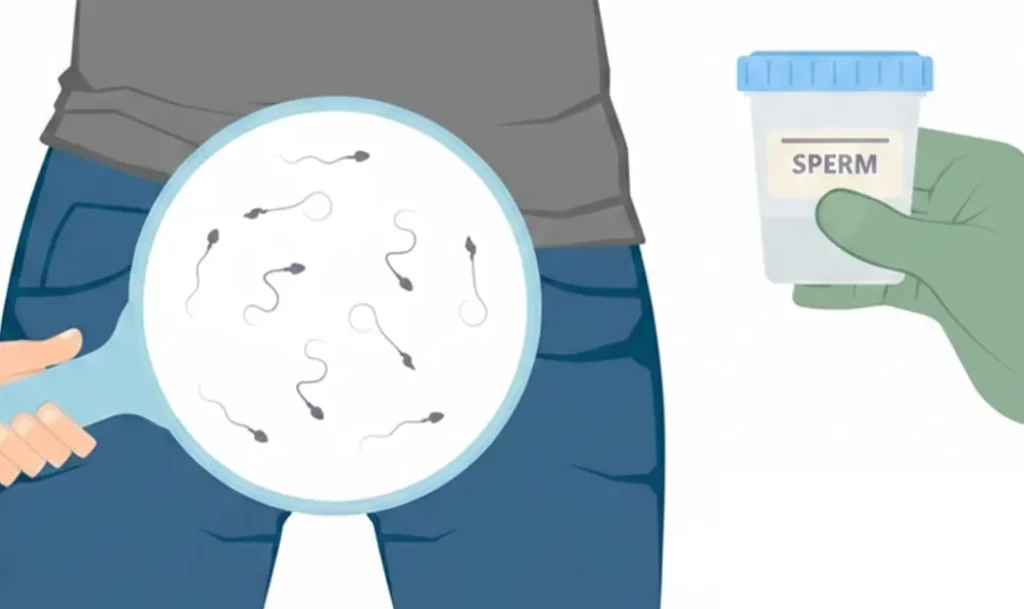
Men with low sperm count, poor motility, or azoospermia on semen analysis require hormonal profiling to determine whether the underlying cause is hormonal, testicular, or obstructive, as this distinction guides treatment in entirely different directions.
Hormonal imbalances, particularly low testosterone and elevated prolactin, are increasingly linked to anxiety, depression, irritability, and reduced quality of life in men. Men above 30 who wish to proactively assess their hormonal health before symptoms become significant are also ideal candidates.
Produced by the pituitary gland, FSH directly stimulates sperm production in the testes. Abnormal FSH levels, whether too high or too low, are a key indicator of testicular function and spermatogenic health, critical for diagnosing the cause of azoospermia or severely impaired sperm production.
LH signals the Leydig cells in the testes to produce testosterone. Low LH levels indicate a pituitary or hypothalamic problem, while elevated LH may suggest primary testicular failure. Both patterns directly affect male fertility, sexual function, and overall hormonal balance.
The primary male sex hormone responsible for libido, sperm production, muscle strength, bone density, and energy. Low testosterone (hypogonadism) is one of the most common hormonal disorders in men. Free testosterone, the biologically active unbound fraction, is often more clinically meaningful than total testosterone alone.
SHBG binds to testosterone in the bloodstream making it unavailable for use by the body. Elevated SHBG levels can result in low free testosterone even when total testosterone appears normal, making it an essential parameter for accurate and complete hormonal interpretation.
Elevated prolactin in men (hyperprolactinaemia) suppresses testosterone production, reduces sperm quality, causes erectile dysfunction, and in some cases indicates a pituitary prolactinoma requiring further imaging evaluation. It is a vital marker in any comprehensive male hormonal workup.
Thyroid disorders including both hypothyroidism and hyperthyroidism directly affect testosterone levels, sperm production, energy metabolism, and mood in men. Thyroid testing is an important component of the complete male hormonal evaluation when systemic symptoms are present.
Every hormonal profile result at Galwa Care Hospital is reviewed and interpreted by an endocrinologist, andrologist, or fertility specialist who contextualises the findings within the patient's complete clinical picture and designs a personalised, evidence-based treatment plan with full transparency.

Hormonal profiling distinguishes hormonal causes of low sperm count and azoospermia from structural and obstructive causes, guiding treatment in the most clinically appropriate direction rather than relying on empirical or misdirected interventions.

Accurate measurement of total testosterone, free testosterone, LH, and SHBG confirms or excludes testosterone deficiency, the single most common hormonal disorder in men, enabling prompt and appropriately targeted hormone replacement or stimulation therapy.

Elevated prolactin is a treatable and frequently overlooked cause of sexual dysfunction, low testosterone, and male infertility. Identifying it through hormonal profiling enables prompt treatment with dopamine agonists or, where indicated, further pituitary MRI evaluation.

Hormonal data directly determines the choice of fertility medications, their dosages, and the timing of treatment steps in IUI, IVF, and hormonal stimulation cycles for men with identified endocrine causes of poor sperm quality or azoospermia.

Without hormonal clarity, treatment of male infertility and sexual dysfunction risks being misdirected. A confirmed hormonal diagnosis ensures every intervention is clinically justified and specifically matched to the actual underlying endocrine cause.

The pattern of FSH, LH, and testosterone levels together determines whether a man's hypogonadism is of testicular origin (primary) or pituitary-hypothalamic origin (secondary), which has entirely different treatment implications and prognoses.

Regular hormonal profiling provides objective, quantifiable evidence of response to hormone therapy, fertility treatment, lifestyle modification, or surgical intervention, enabling precise and timely adjustments to the management plan over time.

Thyroid dysfunction, adrenal disorders, and insulin resistance are systemic conditions that directly impair male hormonal health but are detectable only through targeted endocrine testing, enabling treatment that addresses root causes comprehensively.

Establishing a hormonal baseline at age 30 or above gives every man a reference point for tracking age-related hormonal change, enabling proactive intervention before deficiency reaches a clinically significant level with irreversible consequences.

Understanding your complete hormonal profile empowers genuinely informed decisions about fertility treatment options, timelines, lifestyle choices, and realistic expectations, with full clinical transparency and specialist support at every step.


Eggs Successfully Frozen

Vitrification Survival Rate

Years of Experience

Support to Call

Fasting is generally not mandatory before a male hormonal profile test. However, morning blood collection between 7 and 10 AM is strongly recommended as testosterone and most reproductive hormones follow a diurnal rhythm and are naturally at their highest levels in the early morning. Testing in the afternoon can produce results that are 20 to 30% lower than peak morning values, potentially leading to a false impression of deficiency. Your care team at Galwa Care Hospital will provide clear, specific instructions tailored to your individual test panel and the most appropriate collection timing for your situation.
Total testosterone measures all testosterone in the bloodstream regardless of whether it is bound to proteins or biologically available. Free testosterone is the small but critically important fraction that is unbound and immediately available for use by cells and tissues throughout the body. SHBG binds to testosterone making it biologically inactive. A man can have a normal total testosterone level but significantly low free testosterone if SHBG is elevated, resulting in genuine testosterone deficiency symptoms despite a seemingly normal result. This is precisely why measuring all three values together is essential for an accurate and complete hormonal assessment at Galwa Care Hospital.
Yes. Testosterone plays a direct and essential role in sperm production within the testes. Significantly low testosterone impairs spermatogenesis and can reduce sperm count to severely low or zero levels. However, it is important to note that testosterone replacement therapy actually suppresses sperm production further and should never be used in men who wish to father children. Instead, hormonal stimulation with FSH and LH analogues is used to restore testosterone and sperm production simultaneously. Yes, many male hormonal imbalances are highly treatable. Depending on the confirmed cause, treatment options include hormonal stimulation therapy, dopamine agonists for prolactinoma, thyroid management, and targeted lifestyle intervention.
Not always. Elevated prolactin can result from acute stress, certain medications including antipsychotics and proton pump inhibitors, hypothyroidism, or recent physical exertion. However, persistently elevated prolactin levels warrant further investigation including a pituitary MRI to exclude a prolactinoma, a benign hormone-secreting tumour that is highly treatable with medication. Men above 30 with symptoms are advised to have their hormonal profile assessed annually. Those on hormone therapy, fertility treatment, or recovering from testicular surgery may require testing every 3 to 6 months for precise ongoing monitoring and treatment optimisation.
Yes. Some hormonal imbalances, particularly mild testosterone deficiency and early hyperprolactinaemia, may not immediately or obviously reflect in standard semen parameters but can still significantly affect sexual function, libido, energy, mood, and long-term fertility health. This is why hormonal profiling should always be performed alongside semen analysis as a complementary investigation rather than only when semen parameters are abnormal. All diagnostic tests and specialist consultations at Galwa Care Hospital are conducted with complete medical confidentiality and strict privacy. Your results are shared only with you and your treating specialist and are never disclosed to third parties without your explicit consent.