Shopping cart

Subtotal 0

View cartCheckout

Fertility Preservation Jodhpur

Secure Your Future Parenthood
on Your Own Terms

Fertility Preservation protects eggs, sperm or embryos for future use, helping patients safeguard parenthood options before age or treatment affects fertility.

At Galwa Care Hospital, Jodhpur, preservation plans are personalised with advanced vitrification, secure cryostorage and specialist counselling.

It gives individuals and couples the freedom to make life, career or medical decisions without losing future reproductive choice.

Are You Facing These Issues?

Free Consultation
from our Consultants

Your Reasons to Preserve Are All Valid

Who Should Consider Fertility Preservation?

Fertility preservation is recommended for any individual or couple whose reproductive potential may be at risk from medical treatment,
age-related decline, or personal circumstance, and for anyone who wishes to protect their future family options proactively.

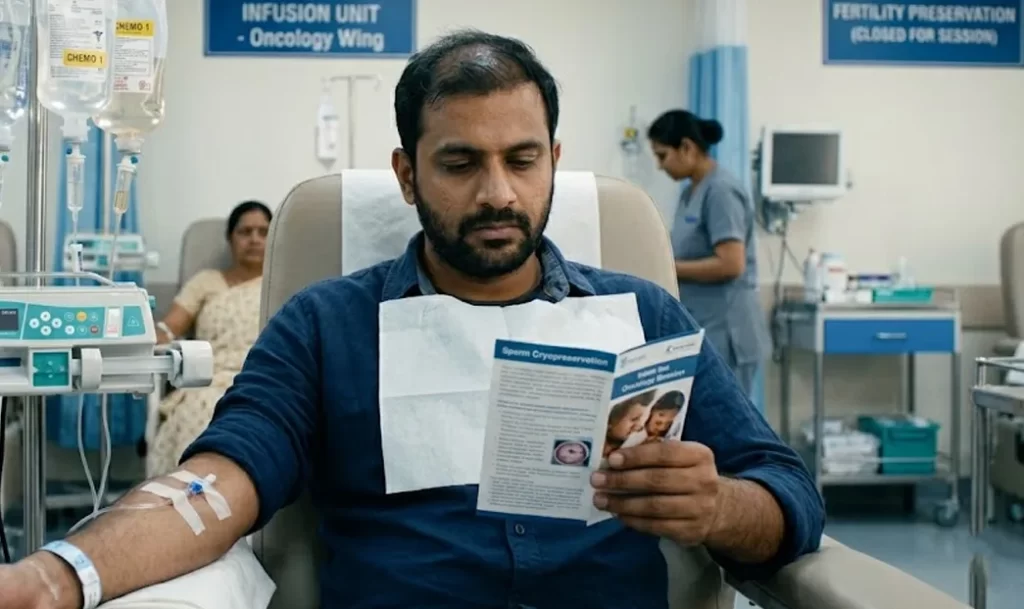
Cancer Patients Before Treatment

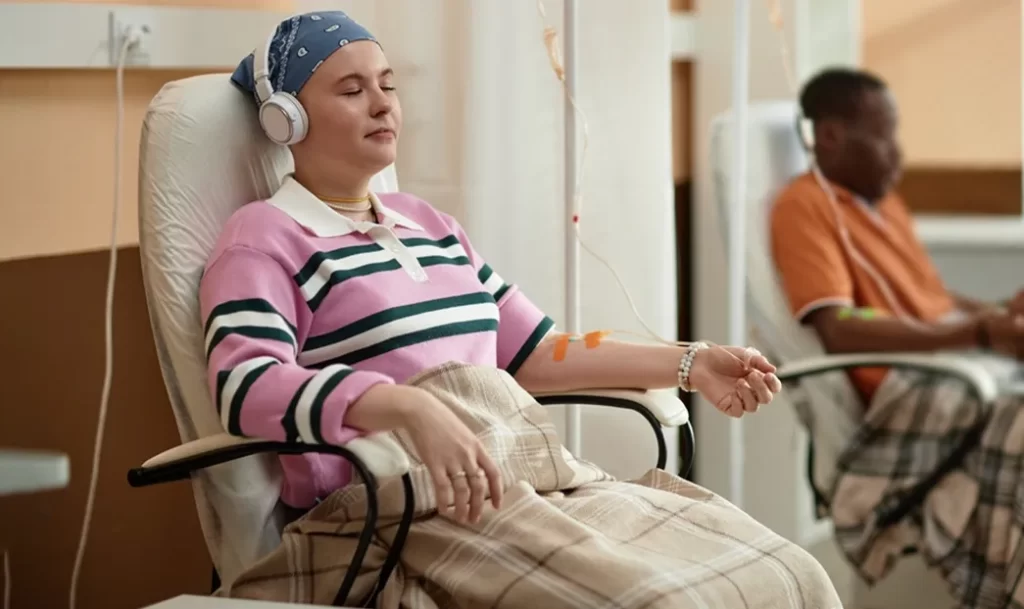
Chemotherapy, radiation, and certain surgeries can permanently damage reproductive organs or destroy the eggs and sperm-producing cells. Fertility preservation before cancer treatment begins, known as oncofertility, is one of the most time-sensitive and clinically important indications for this service.

Women Delaying Parenthood or with Declining Ovarian Reserve

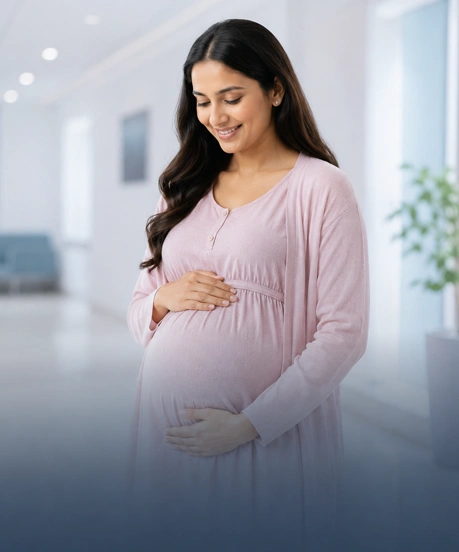
Women choosing to delay parenthood for personal or professional reasons, and women with diminishing ovarian reserve, early signs of premature ovarian insufficiency, or a family history of early menopause, benefit most from egg freezing while quality and quantity are still optimal.

Men Facing Medical Treatment or Variable Sperm Quality

Men about to undergo chemotherapy, radiation, or surgery that may affect testicular function, men with a progressive decline in sperm quality, and men who cannot be present for a fertility treatment cycle should freeze sperm before any procedure that risks their reproductive capacity.

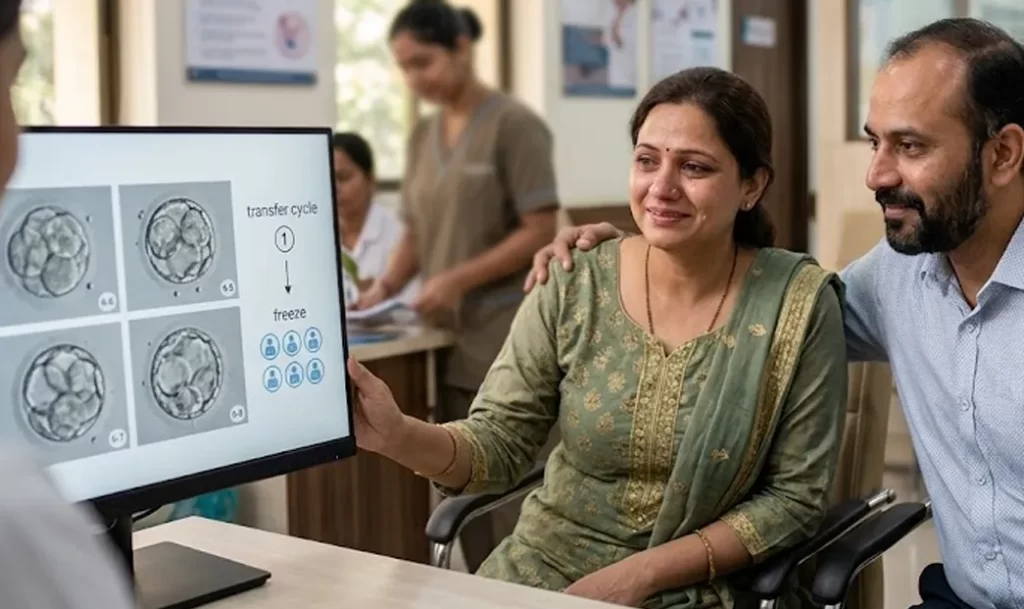
Couples Preserving IVF Embryos

Couples undergoing IVF who produce more high-quality embryos than are needed for the current transfer cycle should freeze surplus embryos for future use, maximising the reproductive value of each stimulation cycle and providing additional transfer opportunities without repeat stimulation.

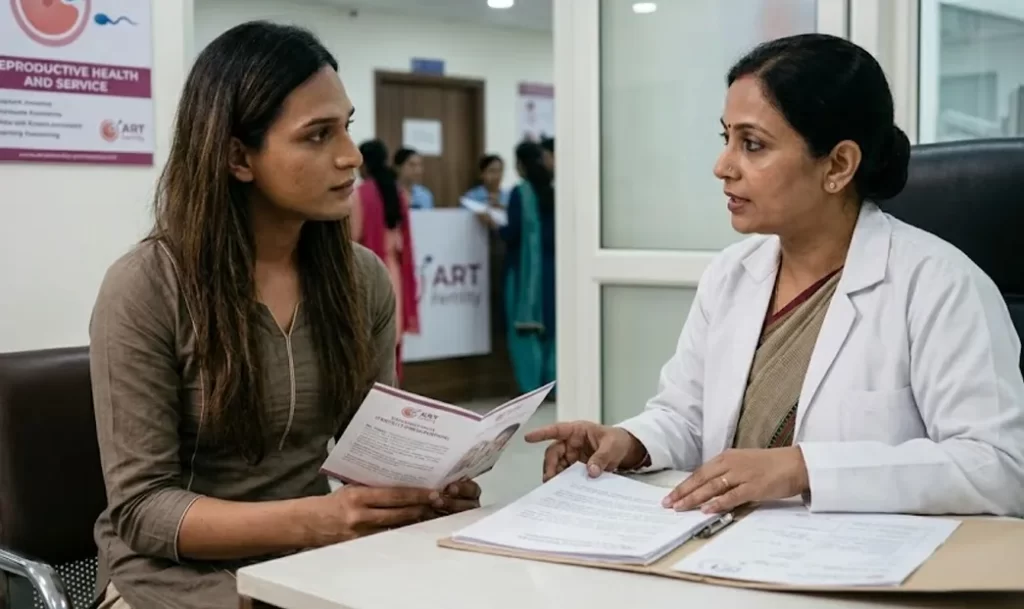
Individuals Before Gender-Affirming Hormone Therapy

Transgender individuals who wish to preserve their fertility before beginning gender-affirming hormone therapy have a time-sensitive window in which egg or sperm freezing can secure their future option of biological parenthood regardless of subsequent hormonal changes.

Anyone Wanting Reproductive Security and Future Flexibility

Any individual who wants to understand and proactively protect their reproductive options for the future, regardless of whether there is an immediate medical or personal urgency, benefits from a fertility preservation assessment and the peace of mind it provides.

Stimulate, Retrieve, Freeze, and Protect

Fertility Preservation Methods Available at Galwa Care Hospital

Galwa Care Hospital offers the complete range of fertility preservation methods for both women and men, with every preservation cycle individually designed, closely monitored, and performed.

Pre-Preservation Evaluation and Counselling

Medical history, fertility status and goals are reviewed so the safest, most suitable treatment plan can be personalised.

Egg Freezing (Oocyte Cryopreservation) — For Women

Mature eggs are retrieved, vitrified rapidly and stored safely for future fertility treatment when you are ready.

Sperm Freezing (Sperm Cryopreservation) — For Men

A semen sample is tested, prepared with protective media and frozen securely for future fertility treatment.

Embryo Freezing — For Couples

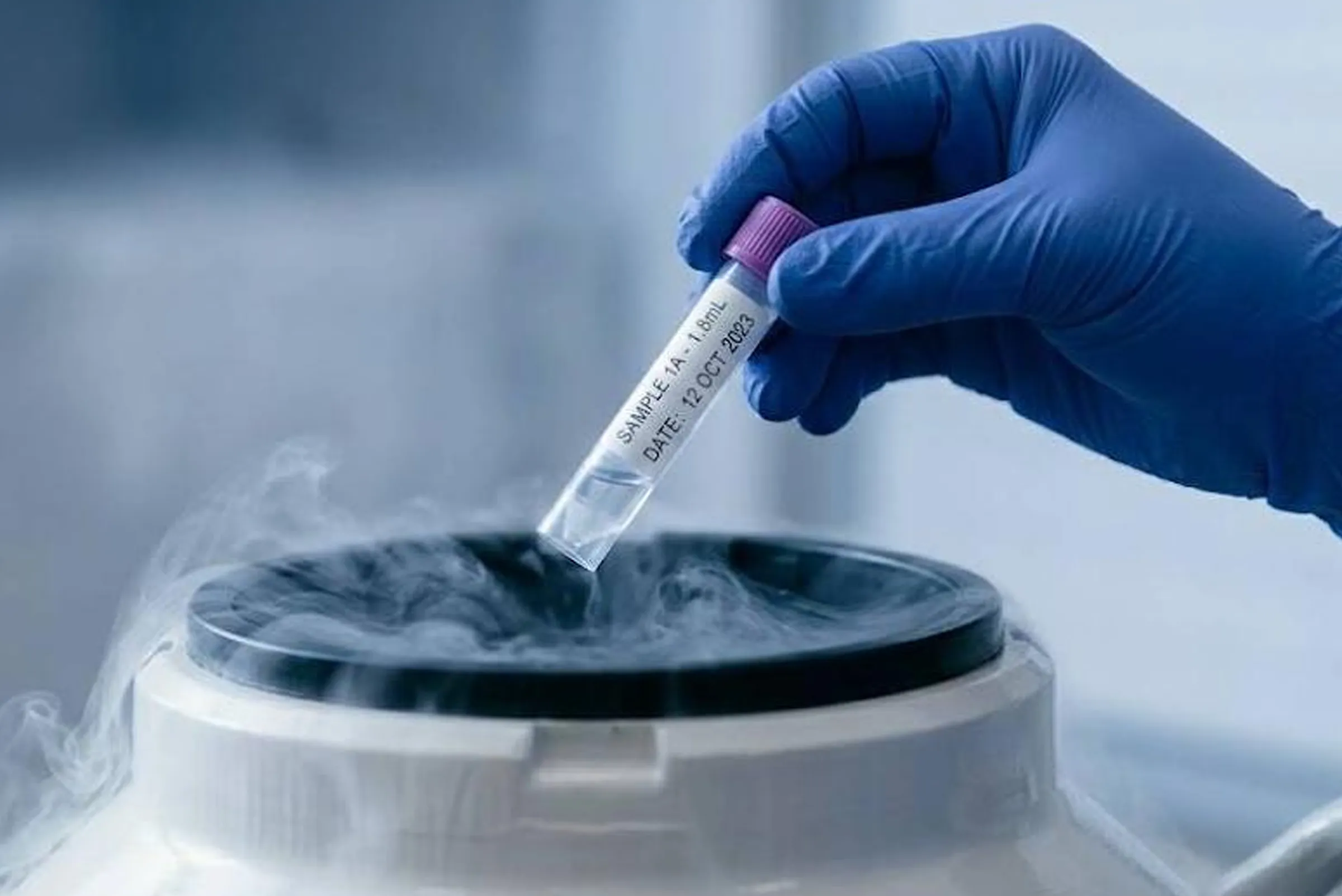
Embryos or reproductive cells are vitrified using rapid freezing and stored in monitored liquid nitrogen tanks.

Vitrification and Cryostorage

Embryos or reproductive cells are vitrified using rapid freezing and stored in monitored liquid nitrogen tanks.

Future Thaw, Fertilization, and Transfer

Stored eggs, sperm or embryos are thawed when needed and used in the planned fertility treatment cycle.

Protect Today What You Want Tomorrow

Benefits of Fertility Preservation

Fertility preservation protects future parenthood options by safely storing eggs, sperm or embryos for later use.

Protects Reproductive Potential Against Age-Related Decline

Eggs and sperm frozen at a younger age retain the quality they had at the point of freezing, regardless of how many years pass before they are used, protecting fertility from the inevitable biological decline that comes with age.

Essential Safety Net Before Cancer Treatment

For cancer patients, fertility preservation before chemotherapy or radiotherapy is often the only opportunity to protect the possibility of future biological parenthood, making it one of the most clinically important and time-sensitive decisions in oncology care.

Reproductive Freedom and Personal Autonomy

Fertility preservation gives individuals the freedom to make major life decisions including career development, relationship timelines, and educational goals without being driven by the constant biological pressure of a declining reproductive window.

Frozen Material Maintains Quality Over Time

Vitrification technology halts all biological activity at the cellular level. Eggs, sperm, and embryos stored at minus 196 degrees Celsius do not age or deteriorate, maintaining their quality and fertilizing potential for years or even decades of storage.

Surplus IVF Embryos Available for Future Attempts

Freezing surplus good-quality embryos from an IVF cycle gives couples additional transfer opportunities without the need for repeat stimulation, significantly improving the cumulative success rate of a single IVF programme.

Reduces Pressure and Emotional Burden of Timed Conception

Knowing that quality reproductive material is safely stored removes the relentless time pressure that fertility decline creates, allowing individuals and couples to conceive when they are emotionally, financially, and personally ready.

Supports Transgender Individuals Before Hormone Therapy

Fertility preservation provides transgender individuals with a genuine, medically validated pathway to future biological parenthood before gender-affirming hormone therapy alters or eliminates their natural reproductive capacity.

No Impact on Future Natural Fertility

Egg freezing uses eggs that would naturally be lost in that menstrual cycle, and sperm freezing is entirely non-invasive. Neither procedure has any negative impact on future natural fertility or reproductive function whatsoever.

Family History Protection for Early Menopause

Women with a family history of early menopause can preserve eggs proactively while their ovarian reserve is still strong, ensuring that a genetic pattern of early reproductive decline does not also eliminate their opportunity for future parenthood.

Safe, Proven, and Continuously Improving Technology

Fertility preservation using vitrification is a well-established, internationally validated technology with decades of evidence confirming the safety of frozen reproductive material and the health of babies born from preserved eggs, sperm, and embryos.

Act Early for the Best Possible Outcomes

Fertility Preservation — Do's and Don'ts

Following these recommendations before and throughout your fertility preservation process will ensure the safest procedure,
the highest quality preserved material, and the most reliable foundation for your future parenthood plans.

DO'S — What You Should Do

Seek a fertility preservation consultation as early as possible, especially before any cancer treatment.

Complete a full pre-preservation evaluation including ovarian reserve testing and hormonal profiling.

Follow all stimulation medication protocols exactly as prescribed throughout the egg freezing cycle.

Attend every monitoring appointment during stimulation as follicle tracking is time-critical.

Freeze eggs before 35 when possible as age at freezing is the single most important success factor.

Abstain from ejaculation for 2 to 5 days before sperm freezing for the most accurate sample quality.

Maintain annual contact with the cryobank to confirm continued storage and update contact details.

Inform your oncologist and fertility specialist of your preservation plans so both can coordinate timing.

Discuss the number of eggs or vials to freeze with your specialist for adequate future coverage.

Plan your future use timeline with your specialist so storage duration is matched appropriately.

DONT'S — What You Should Avoid

Do not delay fertility preservation if cancer treatment is imminent as the window may close quickly.

Avoid smoking and alcohol during the stimulation phase as both impair egg and sperm quality.

Do not skip monitoring appointments during egg freezing stimulation as timing is critical to success.

Avoid excessive heat exposure before sperm freezing as it temporarily reduces sperm quality significantly.

Do not assume all stored samples are identical in quality and confirm post-thaw quality before treatment.

Avoid delaying egg freezing past 35 when ovarian reserve and egg quality begin to decline meaningfully.

Do not discontinue storage without first consulting your fertility team about all available options.

Avoid assuming egg freezing guarantees future pregnancy as success depends on age and number of eggs.

Do not neglect the emotional dimensions of preservation and seek counselling support if needed.

Avoid selecting a storage facility without verifying its monitoring standards and regulatory compliance.

State-of-the-Art Preservation, Lifelong Commitment

Protecting Your
Future Family with the Best Care Available

State-of-the-art vitrification laboratory ensuring highest post-thaw survival rates for all preserved material

Experienced reproductive specialists who design fully individualised preservation protocols for every patient

All three preservation methods available including egg freezing, sperm freezing, and embryo freezing

Oncofertility priority service with rapid cycle initiation for cancer patients facing imminent treatment

Secure, continuously monitored long-term cryostorage with clear labelling and strict safety protocols

Transparent, affordable pricing with flexible long-term storage plans communicated upfront

Completely confidential and judgment-free environment for all personal and medical preservation goals

2000+

Eggs Successfully Frozen

98%

Vitrification Survival Rate

15+

Years of Experience

24/7

Support to Call

Secure Your Future, Transparent Pricing Always

How Much Does Fertility Preservation Cost?

The cost of fertility preservation at Galwa Care Hospital depends on the preservation method selected, the number of eggs or vials frozen, the stimulation medications required, the duration of storage chosen, and whether specialist consultation is included. All pricing is communicated clearly and transparently upfront with no hidden charges.

Easy EMI Facility Available

Preservation method selected

Stimulation medications for egg freezing

Number of eggs or vials stored

Laboratory and vitrification charges

Annual cryostorage fees

Specialist consultation and monitoring

Easy EMI Facility Available

Shape Image

Fertility Preservation Questions, Clearly Answered

Frequently AskednQuestions.

Ideally before the age of 35, when egg quantity and quality are at their best and post-thaw success rates are highest. However, egg freezing can still be considered up to the early 40s following a thorough ovarian reserve evaluation at Galwa Care Hospital. Generally, freezing 10 to 20 mature eggs is recommended for a reasonable chance of at least one successful future pregnancy, though the exact target number varies based on age, ovarian reserve, and individual response to stimulation. Your reproductive specialist will advise the optimal target based on your AMH level, antral follicle count, and personal parenthood goals.

Yes, and it is strongly encouraged for all cancer patients of reproductive age. Fertility preservation before cancer treatment, known as oncofertility, is one of the most time-sensitive but entirely feasible clinical priorities. Egg freezing can typically begin within days of a cancer diagnosis, and sperm freezing can be completed within a single appointment. At Galwa Care Hospital, our oncofertility team works urgently to initiate preservation before treatment starts wherever possible, coordinating closely with the oncology team to ensure the preservation cycle fits within the available treatment window without compromising cancer management.

Egg freezing stores unfertilized eggs that can be fertilized with sperm at a later date when the patient is ready to conceive. Embryo freezing stores eggs that have already been fertilized with sperm through IVF or ICSI. Embryo freezing requires a partner or donor sperm at the time of preservation and generally offers slightly higher post-thaw survival rates because the embryo is more resilient than an unfertilized egg. For women without a current partner who want to keep their options open, egg freezing is the most appropriate choice. For couples undergoing IVF, embryo freezing of surplus high-quality blastocysts is the most effective and reliable preservation strategy.

Cryopreserved reproductive material can be stored safely for many years, in some cases decades, without significant loss of quality or fertilizing potential. Biological activity is essentially halted at storage temperatures of minus 196 degrees Celsius, meaning the material does not age or deteriorate during the storage period. Research has confirmed successful pregnancies using eggs frozen for over 10 years and sperm stored for over 20 years, with no meaningful reduction in developmental potential. At Galwa Care Hospital, our cryobank facility maintains continuous monitoring, strict safety protocols, and regular maintenance of all storage systems to ensure the integrity of every patient's preserved material throughout their chosen storage period.

No, fertility preservation has no negative impact on future natural fertility. Egg freezing uses eggs that would naturally have been lost in that menstrual cycle as part of normal follicular atresia, and sperm freezing is entirely non-invasive. Neither procedure affects the remaining egg supply, hormonal function, or the capacity for natural conception in future cycles. Fertility preservation is widely considered safe when performed by experienced specialists. Babies born from frozen eggs and embryos have demonstrated no increased risk of birth defects or developmental complications compared to naturally conceived children, confirming the excellent long-term safety profile of vitrification technology when applied by a skilled and experienced fertility preservation team.

Transparent, affordable PGT pricing with clear communication of all costs before the cycle begins

Appointment Request Form

Care Packages for Every Stage

Take the First Step Towards Better Care

Schedule your personalized consultation at Galwa Care Hospital to experience medical expertise combined with compassionate support for every patient journey
GALWA CARE