Shopping cart

Subtotal 0

View cartCheckout

Microneedling Jodhpur

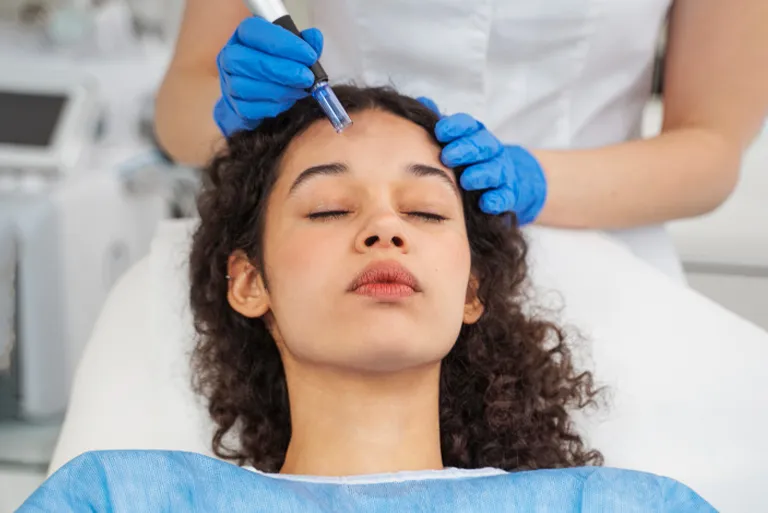
Microneedling is an advanced, minimally invasive skin rejuvenation procedure that uses a device containing multiple fine, sterile needles to create thousands of precisely controlled micro-injuries in the skin surface. These micro-injuries are tiny enough to be imperceptible individually but together trigger a powerful and targeted wound-healing response in which the skin produces new collagen and elastin to repair the treated channels. This natural biological response, driven by the skin’s own regenerative capacity, gradually produces meaningful improvements in skin texture, firmness, scar depth, pore size, and overall skin quality. Because the improvement comes from within the skin’s own repair mechanisms rather than from external substances, the results are progressive, natural-looking, and durable.

One of the additional benefits of microneedling is the enhancement of topical serum penetration. The microchannels created in the skin surface during the procedure dramatically increase the absorption of active serums applied immediately afterward, allowing therapeutic ingredients such as hyaluronic acid, growth factors, vitamin C, or platelet-rich plasma to penetrate far more deeply than they would through intact skin. This is why microneedling is often combined with specific serums or PRP to further amplify the collagen stimulation, hydration, and brightening effects of the treatment. At Galwa Care Hospital, serum selection is based on the individual’s skin concerns to ensure the combination produces the most targeted and effective possible result.

At Galwa Care Hospital, microneedling is performed by trained aesthetic specialists and plastic surgeons using advanced, sterile microneedling devices that allow precise control of needle depth, speed, and pressure across different areas of the face. Topical anaesthetic cream is applied before the procedure to ensure comfort throughout. Each session takes approximately 30 to 60 minutes, and the skin typically appears red and slightly swollen for one to two days afterwards before settling into the gradual improvement phase. A course of three to six sessions spaced at four to six week intervals is typically recommended, with results developing progressively over the weeks and months following each treatment as collagen remodelling continues.

STIMULATE, REPAIR, RENEW

How we help at
Galwa Care Hospital

At Galwa Care Hospital, microneedling is a precisely controlled, individually customised procedure that activates
your skin's own regenerative capacity to progressively improve texture, firmness, and clarity from within.

Our aesthetic team begins each microneedling consultation with a detailed skin assessment to evaluate the patient’s concerns, skin type, and the areas requiring treatment. This assessment determines the appropriate needle depth for each treatment zone, the specific serums to be used during the procedure, and the overall course of treatment needed to achieve the patient’s goals. Needle depth is adjusted across different areas of the face to ensure appropriate penetration for the skin thickness and concern in each zone, and serum selection is tailored to the primary concern, whether that is scarring, pigmentation, aging, or general skin quality improvement. The procedure is carried out with full attention to sterile technique and patient comfort.

At Galwa Care Hospital, post-microneedling care is managed with detailed guidance covering the temporary redness and sensitivity that follows treatment, the products to use and avoid during the recovery days, and the protective measures such as sun avoidance and SPF application that support optimal healing and collagen development. Progress is reviewed at each session in a multi-session course, and the depth, technique, and serum selection are adjusted based on the skin’s response to ensure each subsequent treatment continues to deliver meaningful improvement. Our team is accessible throughout the course to answer questions and provide reassurance as the gradual but rewarding transformation in skin quality unfolds.


ACTIVATE YOUR SKIN'S REPAIR

Why and For Whom Is
Microneedling Important?

Microneedling is for anyone whose skin needs structural improvement from within, targeting concerns that surface-
level treatments cannot adequately address through the skin's own natural regenerative processes.

Acne scars, particularly atrophic or pitted scars, that have created textural irregularity in the skin.

Surgical scars or injury scars that have healed with a textural or surface difference from the surrounding skin.

Fine lines and early wrinkles where collagen stimulation improves skin firmness and smoothness.

Enlarged pores that are affecting skin texture and contributing to an unrefined skin surface.

Uneven skin tone or mild surface pigmentation that has not fully responded to topical treatments.

Dull, flat, or lacklustre skin that needs stimulation of the natural cell renewal and collagen cycle.

Skin that has lost firmness, elasticity, or resilience due to aging or environmental exposure.

Enhanced absorption needed for active serums or PRP treatments to maximise their benefit.

Skin concerns requiring gradual, natural-looking improvement without aggressive or ablative intervention.

Progressive skin quality improvement sought as part of a regular professional skin health programme.

Shape Image

Questions & Answers

Frequently Asked Questions.

Microneedling improves acne scars by triggering a controlled wound-healing response in the scar tissue, stimulating the production of new collagen that gradually fills and smooths atrophic or pitted scars over successive sessions. The newly produced collagen is laid down in a more organised pattern than the original scar tissue, progressively improving the surface texture and reducing the depth of the scar. For general skin texture improvement, the same collagen induction process tightens the skin surface, reduces pore visibility, and creates a more refined and even skin quality with each treatment.

Microneedling is performed after the application of topical anaesthetic cream, which significantly reduces discomfort throughout the procedure. Most patients describe the sensation as a mild pressure or warmth rather than pain. Following the session, the skin appears red and may feel warm and slightly sensitive for one to two days, which is the normal and expected inflammatory phase of the healing response. This settles quickly, and most patients are comfortable returning to work and social activities within two to three days. Makeup can generally be resumed after 24 hours once the skin surface has settled.

Most patients notice an improvement in skin glow, hydration, and surface texture within the first one to two weeks following their first session as the initial healing phase resolves. The deeper structural improvements in scarring, firmness, and pore size develop progressively over the weeks and months following each treatment as collagen remodelling continues. A course of three to six sessions spaced at four to six week intervals is typically recommended, with the number depending on the severity of the concern. At Galwa Care Hospital, the treatment course is planned individually and progress is reviewed at each visit to ensure the programme remains appropriate.

Yes, microneedling is frequently combined with platelet-rich plasma (PRP) for enhanced collagen stimulation, improved healing, and additional brightening and regenerative benefits. PRP prepared from the patient's own blood is applied to the skin immediately after microneedling, penetrating deeply through the microchannels to deliver concentrated growth factors directly to the dermis where collagen production is being stimulated. Microneedling can also be combined with vitamin C serums, hyaluronic acid, or other active formulations. At Galwa Care Hospital, the combination most appropriate to the individual's concerns is selected during the consultation.

Yes, microneedling is one of the most universally safe aesthetic treatments available and is suitable for all skin types and tones. Unlike laser treatments, it does not rely on a chromophore target in the skin, meaning it does not carry the risk of post-inflammatory pigmentation associated with some energy-based treatments in darker skin tones. It can be used on the face, neck, chest, and other areas of the body where scarring, texture concerns, or skin quality improvement is desired. At Galwa Care Hospital, the treatment parameters are adjusted for each treatment zone to ensure appropriate depth and efficacy across different skin areas.

Appointment Request Form

Care Packages for Every Stage

Take the First Step Towards Better Care

Schedule your personalized consultation at Galwa Care Hospital to experience medical expertise combined with compassionate support for every patient journey
GALWA CARE